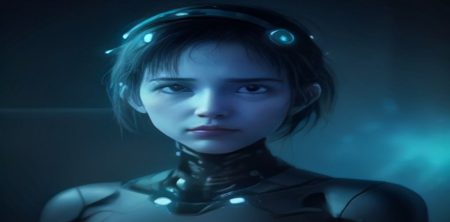
You're sitting for a crucial exam, sweat beading on your forehead. The questions are tough, the stakes are high. But it's not just the material you're battling; it's the invisible gaze of an artificial intelligence, watching your every move. It tracks your eye movements, analyzes your facial expressions, listens for unusual sounds, and even monitors your computer for suspicious activity. Welcome to the brave new world of AI proctoring, a technology rapidly embedding itself in higher education, and one that's sparking furious debates across campuses worldwide.
The rise of AI in education isn't just about sophisticated chatbots helping with research or adaptive learning platforms tailoring content. It's also about a more intrusive application: ensuring academic integrity through automated surveillance. While the promise of AI in education is vast – from personalized learning pathways to streamlining administrative tasks – its deployment in proctoring brings a host of complex ethical dilemmas. Students feel watched, faculty grapple with data privacy, and everyone wonders if the cure for cheating might be worse than the disease. The core of this discussion, of course, revolves around the incredibly complex and often troubling issues surrounding AI proctoring ethics.
The Double-Edged Sword of AI in Academia
Let's be clear: AI isn't inherently good or bad. It's a tool, and like any tool, its impact depends entirely on how we wield it. In the educational sphere, AI offers genuinely exciting possibilities. Imagine a system that could identify precisely where a student is struggling with a concept, then provide tailored resources and exercises instantly. Think about AI-powered tutors available 24/7, offering support that human instructors simply can't provide at scale. These applications could democratize education, making high-quality learning more accessible and effective for millions. essential tech concepts for educators offers useful background here.
However, the rapid integration of AI tools hasn't been without its growing pains. Beyond the utopian visions, there's a darker side, especially when AI shifts from being a helpful assistant to an omnipresent overseer. The very systems designed to enhance learning and ensure fairness can, if not carefully managed, erode trust, stifle creativity, and even perpetuate existing biases. It’s a delicate balance, and universities are just beginning to understand the full weight of the responsibility they carry when deploying these powerful technologies.
The Disturbing Rise of AI Proctoring
The push for AI proctoring gained significant traction during the COVID-19 pandemic. As campuses shut down and learning shifted online overnight, universities scrambled for ways to administer exams remotely while maintaining some semblance of academic integrity. Traditional proctoring methods – in-person supervision – were impossible. This created a fertile ground for AI proctoring solutions to flourish, offering a seemingly scalable and efficient answer to a pressing problem.
These systems typically use a combination of technologies: webcams monitor students' faces and environments, microphones listen for unauthorized communication, and software tracks browser activity, open applications, and even keystrokes. Some even incorporate biometric analysis, attempting to verify identity through facial recognition. The idea is to create a virtual testing environment that mimics the control of a physical exam room, catching any attempt at cheating. But what happens when these systems make mistakes, or when their surveillance feels less like security and more like an invasion?
Privacy Invasion: The Elephant in the Virtual Exam Room
One of the loudest criticisms against AI proctoring centers squarely on student privacy. When you're asked to give a piece of software access to your webcam, microphone, and even your desktop, you're essentially inviting a digital stranger into your home. Students have reported feeling immense discomfort with this level of surveillance. The idea that a machine is constantly analyzing their expressions for signs of dishonesty can be incredibly stressful, turning an already high-pressure situation into an anxiety-inducing ordeal.
Think about the data being collected: images of your face, recordings of your voice, scans of your private living space, and detailed logs of your computer activity. Where does this data go? How long is it stored? Who has access to it? What happens if there's a data breach? These aren't hypothetical questions; they are real, pressing concerns that often lack transparent or satisfactory answers from universities or the proctoring companies themselves. The lack of clear policies around data retention, access, and security is a gaping hole in the current implementation of AI proctoring ethics. (See: AI in education and privacy concerns.)
Bias and False Accusations: When Algorithms Get It Wrong
Perhaps the most insidious problem with AI proctoring is its potential for bias and, consequently, false accusations of cheating. AI systems are only as good as the data they're trained on. If that data is skewed, the AI will inherit and amplify those biases. For instance, facial recognition technology has a documented history of performing less accurately on individuals with darker skin tones or certain facial features. This means a student from a marginalized group might be flagged more frequently or inaccurately than a white student, simply because the algorithm isn't as well-trained to recognize them.
Imagine being a student with a nervous tic, or someone who naturally looks away from the screen when concentrating deeply. An AI might interpret these perfectly normal behaviors as suspicious activity, leading to a flag and a subsequent investigation. There have been numerous reports of students being falsely accused of cheating due to innocuous actions – looking at the ceiling, talking to themselves quietly, or even having a pet walk into the frame. The emotional toll of such an accusation, even if eventually cleared, can be devastating, impacting mental health and academic performance. This isn't just an inconvenience; it's a fundamental issue of fairness and due process, striking at the heart of what education should represent.
The Erosion of Critical Thinking and Originality
The debate around AI in education extends beyond proctoring to a broader concern about its impact on learning itself. A recent report revealed a truly staggering statistic: over 84% of faculty members believe that AI tools, when misused, are actively reducing students' critical thinking skills and originality. This isn't just a hunch; it's a widespread sentiment among the very people tasked with fostering intellectual growth.
Think about it: if an AI can generate a passable essay on any topic in seconds, what incentive does a student have to grapple with complex ideas, synthesize information, and articulate their own unique perspective? If the goal becomes merely to produce content that an AI detection system won't flag, rather than to engage deeply with the subject matter, then we've lost something fundamental. And 92% of faculty are concerned about AI-facilitated plagiarism, which suggests this isn't a fringe worry. It's a mainstream academic crisis, and it directly complicates the discussion around AI proctoring ethics, as one technology is meant to combat problems created or amplified by another.
The Student's Perspective: Anxiety, Surveillance, and Mistrust
It's easy to discuss these issues in abstract terms, but let's consider the direct impact on students. They are the ones living under the shadow of these systems. The constant awareness of being watched can elevate stress levels, making it harder to focus during exams. This isn't just anecdotal; studies have shown that surveillance can negatively affect performance, especially for those already prone to test anxiety. Imagine the pressure of knowing that a single, innocent glance away from the screen could trigger an alert and potentially jeopardize your academic standing.
This environment can breed mistrust between students and institutions. When students feel that their privacy is being invaded, or that they are being treated as potential cheaters by default, it erodes the foundational relationship of trust that should exist in an educational setting. It shifts the focus from learning and intellectual growth to suspicion and vigilance, a paradigm that benefits no one. Students often feel disempowered, with little recourse against the decisions made by these opaque algorithms.
Universities at a Crossroads: Balancing Innovation with Integrity
Universities are truly at a crossroads. On one hand, there's immense pressure to adopt cutting-edge technology to remain competitive and offer flexible learning options. On the other, they face increasing scrutiny over the ethical implications of these very technologies. The challenge isn't whether to use AI, but how to use it responsibly, thoughtfully, and ethically. Simply deploying an AI solution because it's available or seems efficient isn't enough; institutions must conduct thorough ethical reviews, engage in transparent communication, and prioritize student well-being.
This means going beyond the surface-level benefits and digging deep into the potential harms. It requires asking tough questions about data security, algorithmic bias, accessibility for all students, and the psychological impact of constant surveillance. The conversation shouldn't just be among administrators and tech vendors; it must actively include faculty, students, and ethicists to create a truly holistic and humane approach to integrating AI into education. (See: Ethics of AI proctoring in education.)
The Legal Landscape: Regulations and Rights
Beyond the ethical debates, there's a growing legal dimension to AI proctoring. Different jurisdictions have varying laws concerning data privacy and surveillance. For instance, the General Data Protection Regulation (GDPR) in Europe imposes strict rules on how personal data is collected, processed, and stored. Universities operating across international borders or serving global student populations must navigate a complex web of legal requirements.
Students also have rights, which AI proctoring can inadvertently infringe upon. These include rights to privacy, due process, and non-discrimination. Legal challenges have already emerged in several countries, with students arguing that AI proctoring violates their fundamental rights. These cases highlight the urgent need for clearer legal frameworks and institutional policies that align with existing privacy laws and protect student liberties. Ignoring these legal precedents and potential future litigation is a risky gamble for any educational institution.
The Financial Incentives: A Look at the Industry
It's also important to consider the commercial interests driving the adoption of AI proctoring. A multi-million dollar industry has rapidly developed around these technologies, with companies actively marketing their solutions to universities as the definitive answer to academic integrity challenges. These companies often present their AI as infallible, highly efficient, and cost-effective, sometimes downplaying the ethical complexities and potential downsides.
Universities, under pressure to manage large online cohorts and prevent widespread cheating, can find these solutions appealing. However, the financial relationship between institutions and proctoring vendors needs closer scrutiny. Are universities sufficiently empowered to demand transparency, audit algorithms, and negotiate terms that prioritize student rights over vendor profits? There's a risk that commercial pressures could outweigh ethical considerations, creating a scenario where student well-being takes a backseat to convenient, albeit flawed, technological fixes.
Expert Perspectives: What Researchers and Ethicists Say
The academic community, particularly those specializing in AI ethics, surveillance studies, and educational technology, has voiced significant concerns. Many researchers emphasize that relying solely on AI to solve complex social problems like cheating often backfires. They argue that a purely technological fix ignores the root causes of academic dishonesty, which can range from high-stakes testing environments to mental health struggles and inadequate support systems.
Ethicists often point out the "panopticon effect" – the psychological impact of constant surveillance, even if not always actively monitored. This concept, originally described by philosopher Jeremy Bentham, suggests that the mere *possibility* of being watched can alter behavior, leading to self-censorship and increased anxiety. When applied to AI proctoring, this means students might be so focused on appearing "non-suspicious" that it detracts from their ability to perform optimally on an exam. Leading experts consistently advocate for a human-centered approach, where technology supports rather than dictates educational practices.
Comparing AI Proctoring to Traditional Methods
It's useful to compare AI proctoring with traditional, in-person proctoring. While neither method is perfect, the nature of their limitations differs significantly.
Traditional proctoring, done by a human in a physical room, offers a level of contextual understanding and empathy that AI currently lacks. A human proctor can often discern between a nervous tic and a genuine attempt to cheat, or understand if a student is temporarily looking away due to a learning disability. They can also provide immediate support if a technical issue arises. However, traditional proctoring is resource-intensive, expensive, and not scalable for large online exams. (See: Faculty concerns about AI in education.)
AI proctoring, conversely, offers scalability and cost-efficiency. It can monitor thousands of students simultaneously. But its major drawback is its lack of nuance and potential for algorithmic bias, leading to false positives and a dehumanizing experience. It lacks the ability to understand context, intent, or individual differences. The trade-off, therefore, is between human intuition and empathy versus machine efficiency and scalability, each with its own set of ethical implications.
Towards a More Ethical Path for AI Proctoring
So, what's the way forward? Can we harness the benefits of AI without succumbing to its pitfalls? Absolutely, but it requires a commitment to ethical design and implementation. Here are some critical steps:
- Transparency and Consent: Students must be fully informed about what data is collected, how it's used, who has access, and for how long it's stored. Opt-out options, where feasible, should be provided, and clear consent obtained.
- Bias Audits and Algorithmic Accountability: AI proctoring systems should undergo rigorous, independent audits for bias, particularly concerning demographic groups. Universities need mechanisms to challenge algorithmic decisions and ensure human oversight in all accusations.
- Human-in-the-Loop: AI should serve as a flagging tool, not a judge, jury, and executioner. Any flags raised by an AI system should always be reviewed by a human proctor or instructor before any action is taken against a student.
- Data Minimization and Security: Only collect the data absolutely necessary for proctoring. Implement robust cybersecurity measures to protect sensitive student data from breaches.
- Student and Faculty Input: Actively involve students and faculty in the decision-making process for AI proctoring tools. Their lived experiences and expertise are invaluable in identifying potential issues and designing more equitable solutions.
- Alternative Assessment Methods: Perhaps the most effective long-term solution isn't better proctoring, but better assessment. Designing exams and assignments that are less susceptible to cheating – focusing on critical thinking, creative problem-solving, and personalized projects – can reduce the perceived need for intense surveillance.
- Accessibility and Equity Considerations: Ensure that any chosen proctoring solution is accessible to students with disabilities, low bandwidth, or limited access to specific hardware. Some proctoring software can create significant barriers for these groups, exacerbating existing inequalities.
- Clear Appeal Processes: Establish clear, timely, and fair appeal processes for students accused of cheating by AI systems. This should include direct human review and the opportunity for students to present their case without undue burden.
Addressing the challenges of AI proctoring ethics isn't just about tweaking technology; it's about fundamentally rethinking how we assess learning and foster an environment of trust and genuine intellectual engagement.
The Future of Academic Integrity in an AI-Driven World
The conversation around AI in education, especially regarding proctoring, is far from over. It's a rapidly evolving landscape where technological capabilities often outpace ethical considerations and policy frameworks. The choices universities make now will have lasting repercussions on student privacy, academic culture, and the very definition of learning in the digital age. We must strive for a future where technology enhances education without compromising fundamental values like fairness, privacy, and trust.
Ultimately, the goal of education isn't just to prevent cheating; it's to inspire learning, cultivate critical thought, and prepare students to navigate a complex world. If AI proctoring systems undermine these deeper goals in their pursuit of catching a few bad actors, then we've lost sight of what truly matters. It's time for a collective, thoughtful reckoning with these powerful tools, ensuring that humanity, not just efficiency, remains at the core of our educational endeavors.
Frequently Asked Questions About AI Proctoring Ethics
- What exactly is AI proctoring?
- AI proctoring involves using artificial intelligence software, often combined with webcam and microphone access, to monitor students during online exams. It aims to detect suspicious behaviors that might indicate cheating, such as eye movements away from the screen, unauthorized voices, or opening new browser tabs.
- Why are universities using AI proctoring?
- Mainly to maintain academic integrity in online learning environments, especially after the surge in remote education during the pandemic. It offers a scalable solution for supervising large numbers of students remotely, which traditional in-person proctoring cannot easily do.
- What are the biggest ethical concerns with AI proctoring?
- The primary concerns include privacy invasion (collecting sensitive personal data and monitoring private spaces), algorithmic bias (leading to disproportionate flagging of certain demographic groups), false accusations of cheating, increased student anxiety, and the potential erosion of trust between students and institutions.
- Can AI proctoring systems be biased?
- Yes, absolutely. AI systems are trained on data, and if that data isn't diverse or representative, the AI can inherit and amplify existing societal biases. For example, facial recognition components have been shown to perform less accurately on individuals with darker skin tones, potentially leading to higher rates of false flags for these students.
- What kind of data does AI proctoring collect?
- Typically, it collects video of your face and environment, audio of your surroundings, screenshots of your computer screen, logs of browser activity, and sometimes even biometric data for identity verification. The exact data collected varies by vendor and institutional policy.
- Is my data safe with AI proctoring companies?
- Data security is a major concern. While companies usually promise robust security measures, any system is vulnerable to breaches. The length of data retention and who has access to it often lacks transparency, leaving students exposed to potential risks if their sensitive data is compromised.
- What happens if an AI proctoring system falsely accuses a student of cheating?
- False accusations can be devastating for students, causing immense stress, impacting their mental health, and potentially jeopardizing their academic standing. Many institutions lack clear, fair, and timely appeal processes, leaving students feeling powerless against algorithmic decisions.
- Are there alternatives to AI proctoring?
- Yes, many educators advocate for alternative assessment methods that are less susceptible to cheating and don't require intrusive surveillance. These include open-book exams focusing on application and analysis, project-based assignments, oral exams, low-stakes frequent quizzes, and authentic assessments that mirror real-world tasks.
- What can universities do to make AI proctoring more ethical?
- Universities should prioritize transparency, obtain informed consent, conduct independent bias audits, ensure human oversight for any flagged incidents, minimize data collection, implement strong cybersecurity, and actively involve students and faculty in decision-making processes. Establishing clear appeal procedures is also crucial.
- Do students have a say in whether AI proctoring is used?
- Often, students have limited input once a university decides to implement a system. However, student activism and advocacy have been instrumental in raising awareness and pushing for policy changes at many institutions. Universities that value ethical implementation actively solicit student feedback.
Trending Now
Frequently Asked Questions
How does AI proctoring work?
AI proctoring uses advanced technology to monitor students during exams. It tracks eye movements, analyzes facial expressions, listens for unusual sounds, and observes computer activity to ensure academic integrity. This surveillance aims to detect cheating but raises significant ethical concerns about privacy and the psychological impact on students.
What are the ethical concerns of AI in education?
The ethical concerns surrounding AI in education include privacy issues, the potential for bias in surveillance algorithms, and the impact on student well-being. Many argue that the intrusive nature of AI proctoring can create a stressful testing environment, potentially hindering critical thinking and learning.
Do students feel comfortable with AI proctoring?
Many students express discomfort with AI proctoring due to the invasive monitoring methods used. The feeling of being constantly watched can create anxiety and stress, which may negatively affect their performance during exams. This discomfort raises important questions about the balance between academic integrity and student privacy.
What are the benefits of AI in education?
AI in education offers numerous benefits, including personalized learning experiences, adaptive tutoring, and efficient administrative processes. By identifying specific areas where students struggle, AI can provide tailored resources, making education more effective and accessible to a broader audience.
Is AI in education a threat to critical thinking?
Some educators believe that reliance on AI tools, including proctoring systems, may diminish critical thinking skills among students. The concern is that constant monitoring and reliance on technology could hinder the development of independent problem-solving abilities, which are essential for academic and real-world success.
Have you experienced this yourself? We'd love to hear your story in the comments.

