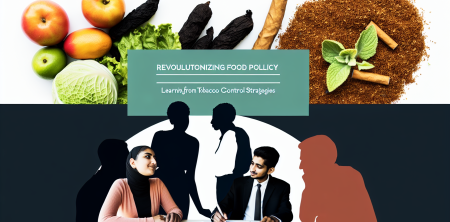
In an innovative approach to combat the escalating crisis of diet-related diseases, experts are advocating for a regulatory framework that mirrors successful tobacco control policies. This strategy aims to curb unhealthy eating habits, particularly among children, and lay the groundwork for a robust future in nutrition policy.
The Growing Concern of Diet-Related Diseases
Diet-related diseases, such as obesity, diabetes, and heart conditions, have reached alarming levels globally. According to the World Health Organization (WHO), the prevalence of obesity has nearly tripled since 1975, with 39 million children under the age of five classified as overweight or obese in 2020 alone. These statistics highlight a pressing public health issue that demands immediate attention.
Childhood Obesity: A Critical Focus
With childhood obesity rates soaring, experts are particularly concerned about its long-term implications. The Centers for Disease Control and Prevention (CDC) reports that approximately 20% of children and adolescents in the United States are affected by obesity. This epidemic not only poses immediate health risks but also increases the likelihood of developing chronic conditions in adulthood, creating a cycle that is difficult to break.
Adopting a Tobacco Control Mindset
Experts are suggesting that the public health strategies used to combat tobacco use could be effectively adapted to address unhealthy dietary habits. The tobacco control playbook has demonstrated the potential for significant behavioral change through a combination of regulation, education, and public policy initiatives.
Key Elements of the Tobacco Playbook
The tobacco control model incorporates several critical strategies that could be beneficial for food policy, including:
- Taxation: Implementing taxes on sugary drinks and unhealthy foods to discourage consumption.
- Marketing Restrictions: Limiting the advertising of unhealthy food products, especially those targeted at children.
- Labeling Requirements: Mandating clear nutritional labeling on food products to inform consumers about their choices.
- Public Awareness Campaigns: Running educational campaigns to raise awareness about the benefits of healthy eating and the risks of poor dietary choices.
Implementing Change: Challenges and Opportunities
While the proposal to borrow from tobacco control strategies is promising, implementing such a framework will not be without its challenges. The food industry is a powerful entity, often resistant to regulation that could affect profitability. Additionally, cultural attitudes towards food and nutrition vary widely, complicating uniform policy implementation.
Building a Coalition for Change
To overcome these challenges, a collaborative effort that includes policymakers, health professionals, and community organizations is essential. By building a coalition that advocates for healthier food environments, stakeholders can create a unified front that emphasizes the importance of nutrition.
Potential Benefits of a Food Policy Playbook
Adopting a tobacco-inspired approach to food policy could yield several significant benefits:
- Reduction in Diet-Related Diseases: By curbing the consumption of unhealthy foods, we could see a decrease in obesity, diabetes, and heart diseases.
- Improved Public Health: A healthier population can lead to lower healthcare costs and increased productivity.
- Empowerment of Consumers: Clear labeling and educational campaigns can help consumers make informed dietary choices.
- Long-term Behavioral Change: Just as smoking rates have declined due to effective policy, similar strategies could foster healthier eating habits.
A Call to Action
The food landscape is evolving, and with it comes a critical opportunity to reshape dietary habits through effective policy. Experts urge governments and health organizations to consider these innovative strategies to reverse the trend of diet-related diseases, particularly among vulnerable populations such as children.
Conclusion
As the health crisis surrounding poor diets continues to escalate, it is vital to explore new avenues for intervention. By taking cues from the successful fight against tobacco use, stakeholders can develop a comprehensive food policy that prioritizes public health and paves the way for a healthier future. The time for action is now, and a tobacco playbook for food policy may just hold the key to transformative change.

