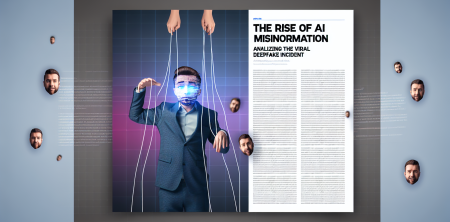
The landscape of information is rapidly evolving, with social media platforms at the forefront of both communication and misinformation. A recent incident involving a video purportedly showing Israeli Prime Minister Benjamin Netanyahu being killed in Iranian strikes has highlighted the dangers posed by artificial intelligence (AI) in spreading false narratives. This event underscores the critical need for vigilance in verifying information, particularly during periods of heightened geopolitical tensions.
The Viral Video: What Happened?
On March 14, 2026, a video surfaced on various social media platforms, claiming to depict the aftermath of an Iranian strike that allegedly resulted in Netanyahu's death. The footage quickly gained traction, fueled by sensational headlines and alarming claims. However, a closer examination revealed significant discrepancies that cast doubt on the video's authenticity.
AI Deepfakes and Their Implications
The video in question featured several notable AI-generated flaws, most prominently the appearance of Netanyahu with six fingers. This peculiar detail raised immediate red flags among viewers and experts alike, as it exposed the limitations of current AI technology in creating convincing deepfakes. While advancements in AI have made it possible to produce remarkably realistic videos, the technology is not infallible, and such errors can serve as telltale signs of manipulation.
The Role of Social Media in Misinformation
The rapid spread of the Netanyahu deepfake illustrates the power of social media in disseminating information—both accurate and inaccurate. Users often share content without verifying its source, leading to a cascading effect where misinformation proliferates unchecked. In this case, the video was shared widely, attracting millions of views before it was debunked.
Tracing the Origins of the Claims
To understand the impact of this misinformation, it is essential to trace the origins of the claims surrounding Netanyahu's supposed death. Investigative efforts by fact-checkers revealed that the video stemmed from a combination of manipulated screenshots and fabricated narratives. The claim gained momentum through echo chambers on social media, where users amplified the story without critical analysis.
- Initial Claims: The video was initially posted by anonymous accounts, which often lack credibility.
- Amplification: Influential figures and commentators shared the video, further legitimizing the false narrative.
- Fact-Checking Efforts: Various fact-checking organizations, including Snopes and PolitiFact, quickly stepped in to debunk the claims, confirming that Netanyahu was alive and well.
The Importance of Verification
This incident serves as a stark reminder of the importance of verifying information, especially in a world increasingly reliant on digital media. With the rise of AI-generated content, discerning fact from fiction has become more challenging. To combat misinformation effectively, individuals and organizations must prioritize critical thinking and fact-checking.
Tools for Verification
Several tools and resources are available to assist individuals in verifying the authenticity of online content:
- Fact-Checking Websites: Platforms like Snopes and PolitiFact specialize in debunking false claims and providing factual information.
- Reverse Image Search: Tools such as Google Reverse Image Search can help identify the origins of images and videos.
- Social Media Literacy: Educating users on how to discern credible sources from unreliable ones is crucial in combating misinformation.
The Geopolitical Context
The backdrop of the Israel-Iran conflict adds another layer of complexity to the situation. Tensions have escalated in recent years, with both nations engaged in a high-stakes battle for influence and power in the Middle East. In times of conflict, misinformation can exacerbate tensions, leading to further violence and instability. The viral Netanyahu video, while ultimately debunked, reflects how quickly false narratives can emerge in such a volatile environment.
Conclusion: Navigating the Future of Information
As technology continues to evolve, so too does the potential for misinformation. The case of the Netanyahu deepfake serves as a cautionary tale about the dangers of blindly trusting digital content. It emphasizes the need for a proactive approach to information consumption, where verification and critical thinking take precedence over sensationalism.
As we navigate the complexities of the digital age, fostering a culture of skepticism and inquiry will be essential in mitigating the impact of AI-generated misinformation. Individuals, media organizations, and governments must work collaboratively to create a more informed public, capable of discerning truth from deception in an increasingly interconnected world.

