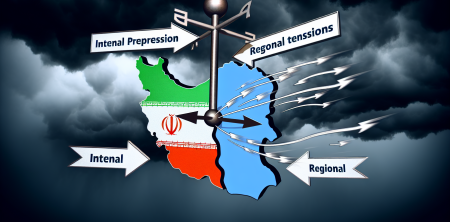
In recent weeks, Iran has found itself navigating a tumultuous landscape marked by both internal repression and escalating regional tensions. A series of developments have highlighted the Iranian regime's renewed focus on maintaining control amid mounting pressure from various fronts. The European Parliament's condemnation of Iran's actions, coupled with heightened security measures domestically, paints a concerning picture of the nation's current environment.
European Parliament Condemns Iranian Repression
On March 15, 2026, the European Parliament issued a strong denunciation of the Iranian regime, particularly emphasizing its ongoing repression of dissent and actions contributing to regional instability. The resolution underscored the need for the international community to hold Iran accountable for its violations of human rights and its role in exacerbating tensions in the Middle East.
This condemnation aligns with a broader pattern of criticism aimed at Iran, particularly regarding its treatment of citizens who dare to voice opposition to the government. The European Parliament's statement serves as a reminder of the global awareness surrounding the Iranian regime's actions and the potential consequences for its international relations.
IRGC's Claims of External Threats
In response to the increasing scrutiny, the Islamic Revolutionary Guard Corps (IRGC) Intelligence Organization has issued alarming statements suggesting that foreign enemies are actively working to incite fear and unrest within Iran. The IRGC claims that these external forces aim to undermine the stability of the country by fostering dissent and encouraging street protests.
As a countermeasure, the IRGC has called for a greater security presence across the nation, signaling an intent to clamp down on any potential uprisings or public demonstrations. This appeal for heightened security reflects the regime's anxiety over maintaining control in the face of perceived threats, both from within and outside its borders.
Escalating Internal Security Measures
Reports emerging from various Iranian cities indicate a worrying trend of escalating internal security measures. The government has implemented widespread internet shutdowns aimed at curbing communication among citizens and stifling the spread of information related to protests or dissent. Such actions not only hinder access to essential services but also create an environment of fear among the populace.
- Internet Shutdowns: Citizens have faced significant disruptions to their online access, limiting their ability to share information and organize protests.
- Arrests of Citizens: There have been numerous reports of arrests targeting individuals who share images or videos of protests or attacks, raising concerns over the right to free speech.
- Judicial Threats: The regime has issued threats against dissenting voices, warning of severe legal repercussions for those who engage in anti-government activities.
This clampdown has resulted in an atmosphere where citizens must navigate the dangers of both external threats and internal repression. The government’s fear of unrest appears to stem from the widespread discontent among the population, fueled by economic hardships and a lack of political freedoms.
Citizens Caught Between War and Repression
As tensions rise in the region, with conflicts involving Iranian interests becoming increasingly volatile, the Iranian populace faces a dual threat. They are simultaneously confronted with the dangers associated with potential military conflicts and the oppressive measures imposed by their own government. This precarious situation creates a sense of hopelessness among many citizens who feel trapped between external pressures and internal repression.
The Iranian regime's focus on security over civil liberties has led to widespread frustration. Many citizens are seeking ways to express their grievances, yet the fear of repression stifles their ability to organize effectively. The government's heavy-handed approach is likely to exacerbate feelings of resentment and could potentially lead to increased unrest if conditions do not improve.
International Community's Role
The international community has a critical role to play in addressing the situation in Iran. As the regime continues its crackdown on dissent, global awareness and action can help amplify the voices of those calling for change. The European Parliament's recent condemnation is a step toward holding Iran accountable for its actions, but more concerted efforts are needed to ensure that the Iranian people are not left to suffer in silence.
As Iran navigates these turbulent waters, its citizens deserve the support of the international community to foster an environment where human rights are respected, and dissent is no longer met with violence. The current situation demands urgent attention, as the consequences of inaction could further destabilize not only Iran but the entire region.
In conclusion, the intertwining crises of internal repression and external conflict present a complex challenge for Iran. The coming months will be crucial in determining whether the regime can maintain its grip on power or if the voices of dissent will finally be heard amid the cacophony of fear and repression.

