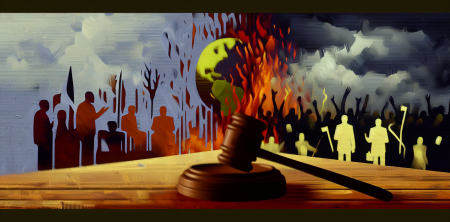
In a dramatic escalation of Hungary's political landscape, opposition leader Péter Magyar has branded Prime Minister Viktor Orbán a 'traitor' in light of serious allegations regarding foreign interference in the upcoming elections. Magyar's fierce accusations suggest that Orbán has not only invited Russian agents into Hungary but has also compromised the integrity of the nation's democratic processes, stirring fears about the future of Hungarian freedom.
Political Divisions Deepen
The tensions between Magyar's opposition party and Orbán's ruling administration are reaching a boiling point as the country approaches crucial elections. In a recent statement, Magyar articulated his concerns regarding Orbán's alleged collusion with Russian operatives, claiming that their involvement could undermine the electoral process and skew the results in favor of the incumbent government.
"This is not merely a matter of political rivalry; it is a betrayal of our national sovereignty and democratic values," Magyar declared. His comments reflect a growing unease among many Hungarians regarding the influence of foreign powers on domestic affairs, particularly as they relate to the integrity of the electoral system.
Orbán's Relationship with Russia
Prime Minister Viktor Orbán has long maintained a controversial relationship with Russia, often drawing criticism for his government's policies that appear to favor Moscow over Western alliances. Critics argue that Orbán's approach to governance has increasingly mirrored authoritarian tendencies, raising alarms among European leaders who fear the erosion of democratic norms within Hungary.
Magyar's allegations come at a time when several European nations are grappling with the implications of Russian influence in their domestic politics. With the backdrop of ongoing tensions between Russia and the West, Magyar's accusations serve as a rallying cry for those who believe that Hungary's future is at stake.
The Implications of Foreign Interference
If Magyar's claims hold any truth, the implications could be severe for Hungary's political landscape. The potential for foreign interference raises critical questions about electoral integrity, national security, and the protection of civil liberties. Magyar emphasizes that the presence of foreign agents could compromise not only the upcoming elections but also the broader democratic structures that underpin Hungarian society.
- Threat to Democracy: Foreign influence in elections could lead to manipulated outcomes, disenfranchising voters and skewing representation.
- National Security Risks: The presence of Russian operatives could pose a risk to Hungary's sovereignty and ability to govern independently.
- International Relations: Allegations of collusion with Russia could strain Hungary's relationships within the European Union and NATO.
Public Reaction and Future Outlook
The Hungarian public's reaction to these allegations has been mixed. While many supporters of the opposition rally behind Magyar's claims, others remain skeptical, questioning the motivations behind such accusations amid a politically charged atmosphere. This skepticism often leads to further polarization within the electorate, complicating the path forward for both the government and the opposition.
As the election date approaches, it is clear that the stakes are higher than ever. Analysts suggest that if Magyar's accusations gain traction, they could galvanize a significant portion of the electorate who are disillusioned with Orbán's government. Conversely, if Orbán can successfully dismiss these allegations and maintain his grip on power, it could further entrench his administration's position against the backdrop of European scrutiny.
The European Context
Magyar's allegations against Orbán resonate within a larger European context, where concerns about Russian influence are increasingly prevalent. With various nations grappling with their own issues of foreign interference, the Hungarian situation has drawn attention from international observers and political analysts.
European leaders have expressed alarm over the potential for Russian operatives to exploit vulnerabilities in democratic systems across the continent. As Hungary finds itself at the crossroads of East and West, the implications of Magyar's accusations could extend far beyond national borders, potentially affecting Hungary's standing within the European Union.
Conclusion
As Hungary heads into a pivotal election season, the accusations leveled by Péter Magyar against Viktor Orbán underscore the critical challenges facing the nation. With questions surrounding the integrity of the electoral process and the potential for foreign interference looming large, the political landscape remains fraught with uncertainty.
Whether Magyar's allegations will resonate with the electorate and lead to a significant shift in power remains to be seen. However, one thing is clear: the battle for Hungary's democratic future is intensifying, and the outcome could have far-reaching consequences for the country and its place in Europe.

