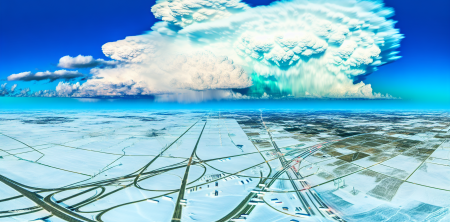
Severe winter storms swept through the Midwest and are now advancing towards the East Coast, leading to significant disruptions in air travel on March 17, 2026. Hundreds of flights have been canceled or delayed as the aftermath of these storms continues to impact travelers just as they embark on spring break vacations and engage in the excitement of March Madness.
Impact of Severe Weather on Air Travel
The storms, characterized by heavy snowfall, began affecting the Midwest earlier this week, with many regions experiencing whiteout conditions. This extreme weather has forced airlines to reevaluate their schedules, resulting in widespread cancellations. Major airports, particularly those in cities like Chicago, St. Louis, and Detroit, have been hit hardest, with hundreds of flights grounded or delayed.
The timing of these storms couldn’t be worse, as they coincide with peak travel periods. The spring break season sees families and college students flocking to various destinations, while basketball fans are traveling to catch the NCAA tournament games. The combination of increased passenger volumes and severe weather conditions has created a perfect storm of inconveniences for travelers.
Travelers Face Unexpected Challenges
Travelers like Kelly Price from Orlando and Danielle Cash from St. Louis have found themselves at the mercy of the weather and the resulting travel disruptions. Both faced overnight stays at airports, with many passengers forced to sleep on uncomfortable benches after flights were canceled. In addition to the physical discomfort, these travelers incurred unexpected costs, including additional hotel expenses and meal costs, as they scrambled to find accommodations.
Price, for instance, shared her frustration while waiting at the airport, stating, "It’s incredibly stressful, especially with so many people trying to get home or to their destinations. I just never expected to be stuck here overnight during spring break." Cash echoed similar sentiments, expressing disappointment as she had planned to attend a crucial NCAA tournament game.
Increased Security Lines and Staffing Strains
The situation has been further complicated by a partial government shutdown, which has strained TSA staffing levels. With fewer security personnel available, airports like Hartsfield-Jackson in Atlanta have seen longer security lines, as travelers arrive earlier in hopes of making their flights.
- Hartsfield-Jackson Atlanta International Airport: One of the busiest airports in the world, it has been experiencing longer wait times at security checkpoints.
- Chicago O'Hare International Airport: This airport has been among the hardest hit, with many flights canceled due to snow accumulation.
- Detroit Metropolitan Airport: Another major hub facing significant flight delays and cancellations.
The combination of severe weather and staffing shortages has left many travelers feeling anxious and frustrated. Many have taken to social media to share their experiences, with posts highlighting the long wait times, the challenge of finding food and lodging, and the overall chaos that has ensued.
Advice for Travelers
For those navigating travel during this tumultuous period, experts recommend several strategies to mitigate stress:
- Stay Informed: Check your flight status regularly and sign up for alerts from your airline.
- Arrive Early: With longer security lines, arriving at least two hours before your flight is advisable.
- Have a Backup Plan: Consider alternative travel options, such as nearby airports or rescheduling flights if necessary.
- Pack Essentials: Bring snacks, a portable charger, and any necessary medications in your carry-on.
Looking Ahead: Recovery from Storm Disruptions
As the storms continue to move eastward, airline officials are working diligently to restore normal operations. They are advising passengers to remain patient as they address the backlog of canceled flights. In the coming days, travel may improve, but the unpredictable nature of winter weather means that further disruptions could arise.
The Federal Aviation Administration (FAA) is closely monitoring conditions and will provide updates as they become available. Travelers are encouraged to stay connected with their airlines and check flight statuses frequently.
Conclusion
The challenges faced by travelers on this day are a reminder of how quickly weather can alter travel plans. As storms continue to impact the Midwest and East, staying informed and prepared can make a significant difference in navigating the potential disruptions. Travelers are advised to exercise patience and flexibility, keeping in mind that safety is always the top priority in travel.

