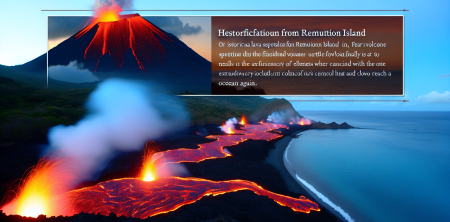
Réunion Island, situated in the Indian Ocean, is witnessing a remarkable geological event as lava flows from the famous Piton de la Fournaise volcano have reached the ocean for the first time in nearly two decades. This significant eruption, reported on March 17, 2026, not only highlights the island's dynamic volcanic activity but also raises concerns about environmental impacts and safety measures as molten lava interacts with seawater.
The Eruption of Piton de la Fournaise
Piton de la Fournaise, one of the world's most active volcanoes, has been a focal point of geological interest and study. Known for its frequent eruptions, the volcano has produced a series of eruptions over its history, but the recent activity is particularly noteworthy as it marks a substantial change in the landscape of Réunion Island. The last time lava flowed into the ocean was in 2006, making this event a significant occurrence for both scientists and locals alike.
Environmental Impact
The interaction between the hot lava and the ocean creates a dramatic spectacle but also poses several environmental hazards. When lava meets seawater, it can lead to the formation of new land through solidification, potentially altering coastal geography. However, this interaction also produces hazardous steam plumes that can contain toxic gases, including hydrochloric acid and volcanic ash.
Scientists are closely monitoring the situation, as the formation of new land could have long-term implications for the island's ecosystem. The volcanic activity could lead to the creation of new habitats for flora and fauna, but it also risks harming existing ecosystems if not managed properly.
Safety Measures and Precautions
While no specific casualty figures have been reported, authorities have been on high alert following the eruption. The safety of residents and tourists is a primary concern, especially given the potential for hazardous conditions arising from the steam plumes and lava flows. Evacuations have not been widely reported, but precautionary measures are likely in place to ensure public safety.
- Monitoring of volcanic activity is ongoing, with scientists deploying equipment to track changes in lava flow and gas emissions.
- Public advisories are being issued to inform locals and visitors about the potential dangers associated with the eruption.
- Emergency services are prepared for any necessary evacuations should the situation escalate.
The Significance of Volcanic Activity in the Indian Ocean
Réunion Island is part of a larger volcanic region in the Indian Ocean, which includes the nearby Mauritius and Rodrigues islands. The volcanic activity in this region is a result of the movement of tectonic plates and the presence of a hotspot beneath the Earth’s crust.
Volcanic eruptions are critical to understanding the geological processes that shape islands and coastlines. They also play a role in the carbon cycle, affecting climate and atmospheric conditions. As such, the current activity at Piton de la Fournaise is not only a local concern but a topic of interest for scientists worldwide who study volcanic activity and its broader implications.
Tourism and Local Economy
Réunion Island is known for its stunning landscapes, rich biodiversity, and vibrant culture, attracting tourists from around the globe. The ongoing volcanic activity could impact tourism, as visitors may be drawn to witness the spectacle of lava reaching the ocean. However, safety concerns may deter some tourists, particularly those unfamiliar with volcanic hazards.
The local economy, which relies significantly on tourism, agriculture, and fishing, faces challenges as the island navigates this volcanic event. While the eruption presents an opportunity for educational tourism, it also necessitates careful management to ensure the safety of both residents and visitors.
Looking Ahead
The recent eruption of Piton de la Fournaise serves as a reminder of the Earth’s dynamic nature and the ongoing processes that shape our world. As scientists continue to monitor the situation, the focus will remain on understanding the implications of this volcanic activity for the environment and local communities.
With advances in technology and research, the ability to predict volcanic eruptions has improved, allowing for better preparedness and response strategies. The hope is that through these ongoing studies, the lessons learned from this eruption will enhance our understanding of volcanic behavior and help safeguard the lives and livelihoods of those living in the shadow of such powerful natural phenomena.
In conclusion, the return of lava flows to the ocean on Réunion Island is both a fascinating and concerning event. As the island continues to experience volcanic activity, the interplay between nature and human safety remains a critical focus for all stakeholders involved.

