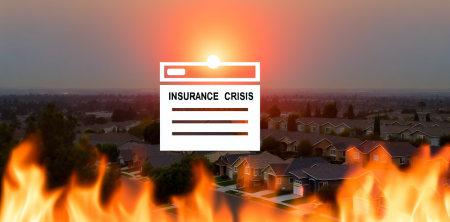
As California braces for another wildfire season, the insurance landscape is undergoing a dramatic shift that is leaving even low-risk homeowners in a precarious situation. Insurance companies are increasingly retreating from neighborhoods previously considered safe, compelling many residents to seek coverage through the state-run FAIR Plan. This trend not only reflects the growing impacts of climate change but also underscores the challenges faced by policyholders in the Golden State.
The Shift in Insurance Coverage
The California insurance market is experiencing a significant upheaval, with the enrollment in the FAIR Plan, a state-backed insurance option, growing by less than 4% recently. This modest increase follows a period of rapid growth, highlighting a troubling trend: insurers are abandoning homes in areas once deemed low-risk. These changes come as wildfire seasons become more intense and frequent, driven by climate change.
Regulatory Responses and Rate Hikes
In an effort to stabilize the market and encourage insurers to expand their coverage, California regulators have approved faster rate hikes under a new 'sustainable insurance strategy.' This initiative aims to provide a pathway for insurance companies to operate in high-risk areas while also addressing the financial viability of policies issued in those regions.
For instance, Farmers Insurance has proposed a rate increase of 7% to enable the addition of 5,600 new policies in designated fire zones. Similarly, other companies like CSAA and Mercury are strategizing to shift policyholders from the FAIR Plan back into the private market, although the feasibility of this remains uncertain given the current climate realities.
The Impact on Homeowners
The consequences of this insurance crisis are dire for homeowners, particularly those living in areas that were once considered safe from the threat of wildfires. As insurers pull back, many residents are being forced into the FAIR Plan, which is often seen as a last resort due to its higher premiums and limited coverage options. Homeowners who previously enjoyed stable insurance rates now face skyrocketing costs, making homeownership less affordable.
Understanding the FAIR Plan
The FAIR Plan, or Fair Access to Insurance Requirements Plan, was established to provide coverage to homeowners who are unable to secure insurance through traditional means. While it offers a necessary safety net, it does not provide the same level of coverage as private insurance policies, leaving many homeowners vulnerable to significant financial risks.
- Limited Coverage: The FAIR Plan typically excludes certain types of damage, such as theft or liability, which are usually covered by standard homeowners' insurance.
- High Premiums: The cost of premiums under the FAIR Plan can be significantly higher compared to private insurance options, further straining the budgets of affected homeowners.
- Increased Enrollment: Enrollment in the FAIR Plan has surged, with many homeowners left with no other viable insurance options.
Wildfire Hardening Efforts
In response to the growing insurance crisis, efforts are being made to enhance wildfire resilience in homes across California. These initiatives include implementing wildfire hardening measures, such as:
- Ember-Proof Roofs: Installing roofs that can withstand embers from wildfires, significantly reducing the risk of ignition.
- Fire-Resistant Landscaping: Utilizing fire-resistant plants and creating defensible spaces around homes to minimize fire hazards.
- Building Code Compliance: Ensuring homes meet updated building codes designed to withstand wildfires.
Such measures not only aim to protect homes but also to reassure insurers that properties are less likely to be damaged by wildfires, potentially influencing their willingness to provide coverage.
The Broader Implications of Climate Change
The ongoing insurance crisis in California is a stark reminder of the broader implications of climate change. As wildfires continue to ravage the state, the financial and emotional toll on residents is profound. Homeowners are not only grappling with the immediate impacts of climate events but are also facing long-term uncertainties regarding their ability to secure affordable insurance coverage.
Experts warn that if current trends continue, the insurance market may become increasingly inaccessible for many Californians, particularly those in vulnerable communities. This could exacerbate existing inequalities, as individuals in lower-income brackets may be disproportionately affected by rising insurance costs and limited options.
Conclusion
The insurance crisis in California serves as a crucial wake-up call about the intersection of climate change and economic stability. As insurers retreat from low-risk neighborhoods and more homeowners turn to the FAIR Plan, the state must find innovative solutions to ensure that all residents can secure affordable, comprehensive coverage. Without significant reform and adaptation, the consequences of climate change will continue to ripple through the insurance market, leaving many homeowners in a perilous position.

