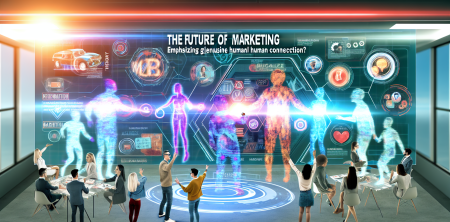
As we approach 2026, the marketing landscape is evolving rapidly, driven by technological advancements and changing consumer preferences. A recent report by SAMY, which gathered insights from over 100 Chief Marketing Officers (CMOs) across 22 countries, sheds light on the trends that will shape marketing strategies in the near future. One of the standout findings emphasizes that while artificial intelligence (AI) is being embraced by more than half of marketers, genuine human connection through storytelling and creativity remains the cornerstone of successful marketing campaigns.
The Rise of AI in Marketing
The integration of AI into marketing strategies is not just a passing trend; it's becoming a necessity. According to the SAMY report, over 50% of marketers are adopting AI for the first time. This technology is transforming how brands interact with their consumers, enabling more personalized and efficient marketing practices. AI tools can analyze vast amounts of data to identify consumer behavior patterns, predict trends, and optimize campaigns in real-time.
However, the report highlights a critical insight: despite the technological advancements and the growing reliance on AI, the human element cannot be overlooked. Marketers are increasingly recognizing that authentic connections with their audience are essential for building brand loyalty and trust.
The Importance of Storytelling and Creativity
In 2026, storytelling and creativity are projected to account for 50% of marketing investments. This focus on genuine human connection underscores the need for brands to convey their messages through compelling narratives that resonate with consumers on a personal level. As consumers become more discerning and skeptical of traditional advertising, the ability to tell a relatable and impactful story has never been more crucial.
Marketers are encouraged to leverage emotional triggers and relatable experiences to forge deeper relationships with their audience. Brands that successfully engage in storytelling not only capture attention but also foster a community around their products or services.
Influencer Marketing: A Growing Trend
The influencer marketing landscape is also witnessing significant growth, with 48% of marketers planning to increase their budgets in this area. The industry is projected to reach an impressive $250 billion by 2027. This growth is fueled by the effectiveness of influencers in creating authentic connections with their followers.
Interestingly, the report reveals that 45% of marketers are collaborating with micro-influencers to achieve higher levels of authenticity and engagement. Micro-influencers, typically defined as individuals with follower counts between 1,000 and 100,000, often have more engaged audiences compared to their macro counterparts. This engagement translates into higher trust levels and more impactful recommendations, making them a valuable asset for brands aiming to connect with niche markets.
Emerging Platforms and Consumer Behavior
As the digital landscape evolves, so do the platforms used for marketing. The SAMY report indicates that platforms like YouTube Shorts and Pinterest are gaining traction, particularly for driving purchases. These platforms offer unique opportunities for brands to showcase their products in engaging formats, capturing the attention of consumers who prefer quick, visually appealing content.
- YouTube Shorts: This platform allows brands to create short, engaging videos that can go viral, promoting products in a fun and dynamic way.
- Pinterest: Known for its visual discovery, Pinterest is becoming an effective platform for brands to reach consumers who are actively seeking inspiration for purchases.
Furthermore, LinkedIn continues to dominate the B2B marketing space. Its professional environment allows brands to connect with decision-makers and industry leaders, making it an essential tool for B2B marketers looking to build relationships and generate leads.
Looking Ahead: The Balance Between AI and Human Connection
As marketers prepare for 2026, the challenge will be to strike a balance between leveraging AI capabilities and maintaining genuine human connections. While AI can enhance efficiency and provide valuable insights, it is the authenticity and relatability of human storytelling that will truly differentiate brands in a crowded marketplace.
Marketers must remain vigilant about evolving consumer expectations and adapt their strategies accordingly. By focusing on building real connections through creativity and storytelling, brands can foster loyalty and engagement that transcends traditional marketing approaches.
In conclusion, the future of marketing in 2026 promises to be an exciting blend of technological innovation and human-centric strategies. As brands navigate this evolving landscape, those that prioritize authentic connections and embrace the art of storytelling will undoubtedly lead the way in captivating their audiences and driving business success.

