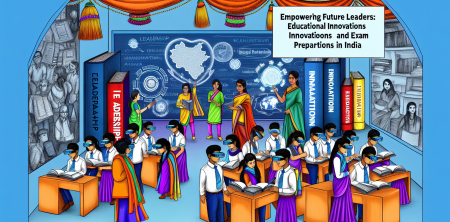
As students across India gear up for the critical board examinations and competitive entrance tests in March 2026, educational institutions are stepping up their efforts to support them. With revision sessions, mock tests, and counseling programs readily available, schools are creating an environment that nurtures confidence and preparedness among students.
Preparation Strategies for Board Examinations
In the lead-up to board examinations, schools are implementing various strategies to help students excel. These include:
- Revision Sessions: Intensive review classes are being held to cover the syllabus comprehensively.
- Mock Tests: Simulated exams are being conducted to familiarize students with the exam format and time management.
- Counseling Programs: Mental health support is provided through counseling sessions, helping students manage stress and anxiety.
These initiatives are crucial as they not only enhance students' academic skills but also bolster their emotional resilience as they prepare for the challenges ahead.
Adoption of Modern Teaching Methods
To meet the demands of a rapidly evolving job market, educational institutions are embracing innovative teaching methodologies. Modern classrooms are now equipped with cutting-edge technology, fostering a more interactive learning environment. Key advancements include:
- Smart Classrooms: Integrating digital tools and multimedia resources to make learning engaging and effective.
- Online Platforms: Utilizing e-learning platforms to provide access to a wealth of educational resources and flexible learning schedules.
- Coding and Robotics Labs: Introducing practical skills through hands-on projects, encouraging creativity and critical thinking among students.
These modern teaching methods not only enhance educational engagement but also prepare students for future careers in technology-driven fields.
Focus on Skill Development and Innovation
In a world increasingly influenced by technology, the emphasis on skill development is paramount. Schools are integrating programs that promote innovation, critical thinking, and problem-solving abilities. This focus is essential for students as they navigate an educational landscape that increasingly values practical skills alongside traditional academic knowledge.
Furthermore, educators are fostering a culture of inquiry and exploration, encouraging students to ask questions and seek solutions to real-world problems. This approach is particularly important in fields such as:
- Artificial Intelligence (AI): Preparing students to understand and work with AI technologies.
- Data Science: Equipping learners with analytical skills to interpret and leverage data.
- Biotechnology: Engaging students in life sciences that can lead to innovative health solutions.
- Renewable Energy: Fostering awareness and skills related to sustainable energy solutions.
- Environmental Science: Instilling a sense of responsibility towards the planet and its resources.
As the demand for skilled professionals in these fields continues to rise, educational institutions are playing a vital role in shaping the future workforce.
Updates on University Admissions and Career Guidance
As students transition from school to higher education, universities are revising their admission processes to better align with contemporary educational needs. This includes updates to entrance exams and scholarship opportunities, ensuring that students have access to the resources they need to succeed.
Career guidance programs are becoming increasingly important, as they provide insights into various career paths and emerging industries. Students are being encouraged to explore diverse fields, with professionals offering mentorship and advice on how to navigate their future careers.
Institutions are also highlighting the importance of interdisciplinary studies, fostering an environment where students can combine interests and skills across various subjects. This approach not only broadens their educational experience but also enhances their employability in a competitive job market.
The Role of Educators in Student Success
The dedication of educators is pivotal in creating a supportive learning environment. Teachers are not just imparting knowledge; they are mentors, guides, and motivators who play an essential role in shaping students’ futures. Efforts to provide ongoing professional development for teachers ensure they remain equipped with the latest teaching strategies and tools to inspire their students.
Moreover, collaboration between schools, parents, and communities is vital in supporting students’ educational journeys. By working together, they can create a robust support system that addresses students' academic and emotional needs.
Conclusion
As India prepares its students for the future, the combination of rigorous academic preparation, innovative teaching methods, and a focus on skill development is crucial. By fostering an environment of support and exploration, educational institutions are equipping the next generation with the tools they need to thrive in an ever-changing world. The progress made today will undoubtedly shape the leaders of tomorrow, ready to tackle the challenges of the future with confidence and creativity.

