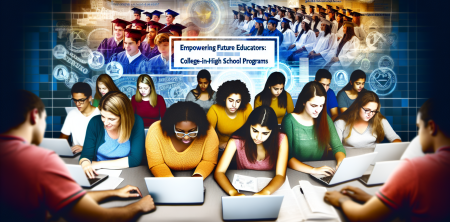
As education continues to evolve, innovative programs are emerging to support students pursuing teaching careers. One such initiative is the college-in-high-school program, which allows high school students to earn college credits while still completing their secondary education. This program offers a significant advantage to aspiring educators, providing them with early exposure to college-level coursework and a head start on their academic journey.
Ainsley Martin: A Case Study in Early Education
Ainsley Martin, a senior at Franklin Regional High School in Pennsylvania, exemplifies the benefits of these programs. By the time she enrolls at the University of Pittsburgh at Greensburg (Pitt-Greensburg), she will have already earned six education credits through her participation in a college-in-high-school initiative. This early achievement not only boosts her confidence but also significantly accelerates her path toward becoming a teacher.
The Structure of College-in-High-School Programs
College-in-high-school programs are designed to bridge the gap between high school and higher education. They typically partner with local colleges and universities, allowing students to take courses that count for both high school and college credit. Programs like these cater primarily to ambitious students who wish to get a jumpstart on their college education, particularly in fields like education.
These programs often feature:
- Dual Enrollment: Students enroll in college courses while still in high school, gaining valuable experience in the academic environment they will soon enter.
- Curriculum Alignment: Courses are often aligned with state education standards, ensuring that students are learning relevant material that will prepare them for future studies.
- Support Systems: Many programs provide mentoring and advising to help students navigate both high school and college challenges.
Bridging the Gap to Higher Education
The transition from high school to college can be daunting for many students. College-in-high-school programs aim to alleviate some of this stress by exposing students to college-level courses and academic expectations. By taking part in these programs, students like Ainsley Martin gain insights into the rigors of higher education, which can ease their transition once they graduate from high school.
Furthermore, early exposure to educational theories and practices enables aspiring teachers to determine if a career in education is right for them. Engaging with college professors and collaborating with peers sets the stage for a successful academic experience.
Meeting the Demand for Educators
As the need for qualified educators continues to grow, programs that encourage high school students to consider teaching as a career are more important than ever. The U.S. Department of Education reports a persistent shortage of teachers, especially in specific subjects and underserved areas. Initiatives like college-in-high-school programs can play a crucial role in addressing this gap by nurturing the next generation of educators.
By providing students with early college credit and exposure to the teaching profession, these programs can inspire more young people to pursue a career in education. In turn, this could lead to a more robust and diverse teaching workforce, which is essential for meeting the needs of our increasingly complex educational landscape.
Success Stories and Future Prospects
Ainsley Martin is just one example among many students benefiting from college-in-high-school programs. Success stories are emerging across the country as more schools adopt these initiatives. Students report feeling better prepared for college, more confident in their academic abilities, and more motivated to pursue their passions.
Educational institutions are recognizing the value of these programs and expanding their offerings. As they do, the opportunities for high school students to engage with college-level coursework in education and other fields will continue to grow. This trend bodes well for the future of education, as it cultivates a new generation of passionate and well-prepared educators.
Conclusion
College-in-high-school programs are carving a path for aspiring educators like Ainsley Martin, offering them a head start on their teaching careers. By providing access to college credits, exposure to advanced coursework, and a supportive environment, these initiatives serve as a vital bridge between high school and higher education. As the demand for qualified teachers rises, such programs will play an increasingly critical role in shaping the future of education.

