International Response to Iran’s Threats in the Strait of Hormuz
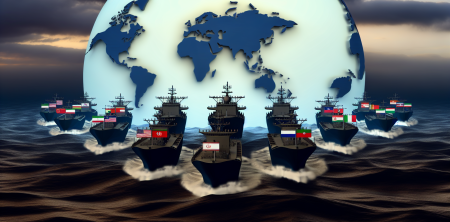
In a significant development, over 20 nations, including key European countries, the United Arab Emirates (UAE), and Bahrain, have united to address escalating tensions in the Strait of Hormuz. This coalition emerged on March 21, 2026, following a series of Iranian attacks on commercial vessels and critical civilian infrastructure, culminating in what many are calling the de facto closure of this vital waterway.
The Importance of the Strait of Hormuz
The Strait of Hormuz is a strategic chokepoint through which nearly 20% of the world’s oil supply transits. This narrow passage connects the Persian Gulf with the Gulf of Oman and ultimately the Arabian Sea. As a result of its critical role in global energy transportation, any disruption in this corridor has far-reaching consequences, influencing oil prices and global markets.
Impact of Iran’s Actions
The Iranian government has been accused of increasing its aggressive posture in the region, with attacks on tankers and threats to impede maritime traffic. As a direct result, tanker traffic through the Strait has plummeted, leading to a surge in oil prices that have soared above $100 per barrel. Analysts warn that the current crisis could trigger the largest oil supply disruption in modern history, prompting alarm among energy-dependent nations worldwide.
Coalition’s Commitment to Maritime Safety
The newly formed coalition is committed to ensuring safe passage through the Strait of Hormuz, condemning Iran’s actions vehemently. The nations involved are taking a multi-faceted approach to secure maritime routes and protect their commercial interests. Key commitments include:
- Increased naval presence in the region to deter further Iranian aggression.
- Joint military exercises to enhance coordination among allied forces.
- Intelligence sharing to better understand and predict Iranian strategies.
- Diplomatic efforts to engage Iran in discussions aimed at de-escalation.
Responses from Affected Nations
Countries that are heavily reliant on oil imports, such as India, the Philippines, and Pakistan, are already preparing emergency measures to mitigate the impact of soaring oil prices and potential shortages. These measures may include:
- Stockpiling strategic reserves of oil.
- Exploring alternative energy sources to reduce dependency on imported oil.
- Negotiating with other oil-producing countries to secure supply.
India, for instance, is considering ramping up domestic production while also engaging with nations in the Gulf Cooperation Council (GCC) to ensure a steady supply of oil. The Philippines and Pakistan are similarly seeking to bolster their energy security strategies amidst growing concerns.
Long-term Implications of the Crisis
The implications of this crisis extend beyond immediate economic concerns. A sustained closure of the Strait of Hormuz could lead to:
- Increased geopolitical tensions in the Middle East, potentially drawing in global powers.
- Significant shifts in global energy markets, possibly accelerating the transition to renewable sources.
- Heightened security measures and military deployments in the region, increasing operational costs for shipping companies.
Moreover, the rise in oil prices could lead to inflationary pressures globally, affecting everything from transportation costs to everyday consumer goods. Economists are closely monitoring the situation, as the ripple effects could be felt across many sectors.
Call for Diplomacy
While military readiness is essential, there is a growing consensus among global leaders that diplomatic solutions must also be explored. Many nations are urging Iran to engage in constructive dialogue to address its grievances and reduce tensions. The hope is that through diplomatic channels, a peaceful resolution can be achieved, averting further escalation.
Conclusion
As the situation in the Strait of Hormuz continues to unfold, the international community remains on high alert. The commitment of over 20 countries to ensure safe passage through this critical waterway reflects the seriousness of the threat posed by Iran’s actions. With both economic and geopolitical stakes at play, the coming weeks and months will be crucial in determining the trajectory of this crisis and its implications for global energy security.

