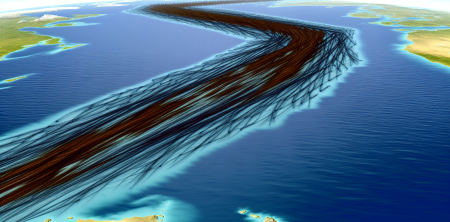
On March 22, 2026, satellite imagery revealed a concerning environmental phenomenon: a vast brown ribbon of sediment or pollution extending between the Atlantic Ocean and the coast of Africa. This striking visual has raised significant alarm among scientists, who are now grappling with the potential ramifications this could have on marine ecosystems, ocean currents, and coastal communities.
The Appearance of the Brown Ribbon
Visible from space, this extensive brown ribbon stretches across the ocean, prompting urgent inquiries into its origins and implications. Experts suggest that the discoloration may result from a combination of sediment runoff, pollution, and possibly phytoplankton blooms, which can turn the ocean's surface into a brownish hue.
Potential Causes
The factors contributing to the formation of this brown ribbon are complex and multifaceted. Some of the likely causes include:
- Sediment runoff: Heavy rains and flooding can lead to increased sediment runoff from rivers, introducing large amounts of soil and organic matter into the ocean.
- Pollution: Industrial waste and agricultural runoff may also contribute to the contamination of ocean waters, exacerbating the issue.
- Phytoplankton blooms: Nutrient-rich waters can lead to algal blooms, which can appear brown and contribute to the ribbon's coloration.
Environmental Concerns
The implications of this brown ribbon are far-reaching and raise pressing environmental concerns. Scientists emphasize the potential impact on:
Marine Ecosystems
The presence of sediment and pollution can significantly disrupt marine ecosystems. Increased sediment can smother coral reefs and other vital habitats, while pollutants may introduce toxins into the food chain. Such changes can lead to:
- Declines in fish populations: Disruption of breeding and feeding grounds can affect the health and abundance of fish stocks.
- Loss of biodiversity: Altered habitats can lead to the extinction of sensitive species, threatening the overall health of marine ecosystems.
- Altered predator-prey dynamics: Changes in species composition can shift the balance of marine food webs.
Ocean Currents
Ocean currents play a crucial role in regulating climate and distributing nutrients across the globe. The introduction of large amounts of sediment and pollution can disrupt these currents, leading to:
- Temperature changes: Alterations in currents can affect sea surface temperatures, with potentially dramatic consequences for weather patterns.
- Nutrient distribution: Changes in currents may impact the availability of nutrients essential for marine life.
Coastal Communities
Coastal communities are particularly vulnerable to the effects of this brown ribbon. As sediment and pollution infiltrate coastal waters, the consequences can include:
- Impacts on fishing industries: Declines in fish populations can threaten the livelihoods of those who depend on fishing.
- Water quality issues: Increased pollution can lead to unsafe drinking water and adversely affect public health.
- Economic repercussions: Tourism and recreational activities may suffer due to polluted beaches and waters.
Broader Implications for Biodiversity and Water Quality
As scientists continue to study this phenomenon, the broader implications for biodiversity and water quality in the region are becoming increasingly clear. The disruption of marine ecosystems can have cascading effects, leading to:
- Loss of critical habitats: The destruction of vital ecosystems such as mangroves and coral reefs can lead to increased vulnerability for coastal areas.
- Changes in species distribution: As conditions change, marine species may be forced to migrate, leading to shifts in biodiversity.
- Worsening water quality: Increased pollutants can lead to harmful algal blooms, which can produce toxins harmful to marine life and human health.
The Need for Immediate Action
The alarming discovery of the brown ribbon necessitates immediate action to address the underlying causes and mitigate the potential repercussions. Scientists urge policymakers to:
- Implement stronger regulations: Enhanced regulations on industrial discharge and agricultural runoff are critical to protecting marine environments.
- Invest in research: Continued research into the causes and effects of this phenomenon is essential for understanding its broader implications.
- Promote public awareness: Engaging communities in discussions about pollution and its impacts can foster a collective response to environmental challenges.
As the brown ribbon continues to stretch across the Atlantic, the urgency for comprehensive environmental action becomes increasingly apparent. Without immediate intervention, the long-term effects on marine ecosystems, ocean currents, and coastal communities could be dire, altering the delicate balance of life in our oceans for generations to come.

