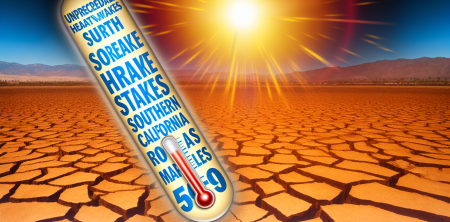
Southern California is currently grappling with an extraordinary heatwave, as record-breaking temperatures sweep across the region. Cities such as Palm Springs have recently reported unprecedented high temperatures, with the area experiencing its fifth consecutive day of record-setting heat. This situation marks a significant shift from the typical weather patterns associated with March, raising concerns about the broader implications of climate change in the U.S. Southwest.
Record-Breaking Temperatures
In Palm Springs, the mercury soared to an astonishing 95°F on March 21, 2026, surpassing the previous record of 94°F set in 2007. This surge in temperature is just one example of a larger trend affecting much of Southern California, where numerous locations are reporting similar spikes. The National Weather Service has issued warnings for areas across the region, advising residents to take precautions as these unseasonably hot conditions are expected to continue.
Climate Change and Its Ramifications
This recent heatwave is not merely a random weather event but rather a symptom of a larger climate crisis. According to climate scientists, rising temperatures in the Southwest are becoming increasingly common due to climate change, which has been exacerbated by human activity. The implications of these rising temperatures extend far beyond discomfort, impacting various sectors including agriculture, tourism, and public health.
Impact on Agriculture
Farmers in Southern California are already feeling the heat, both literally and figuratively. Many crops, especially those sensitive to high temperatures such as grapes and vegetables, face significant stress during extreme heat events. The risk of crop damage increases, which can lead to a reduction in yields and, subsequently, higher prices for consumers. The California Department of Food and Agriculture (CDFA) has reported that climate variability poses a serious threat to the state’s $50 billion agricultural industry.
Risks to Public Health
As temperatures soar, public health risks also rise. The extreme heat can lead to heat exhaustion and heatstroke, particularly among vulnerable populations such as the elderly and those with pre-existing health conditions. Health officials are urging residents to avoid strenuous outdoor activities during peak hours, typically from midday to early afternoon. Moreover, they recommend staying hydrated and avoiding heavy meals and caffeinated beverages during these sweltering days.
Tourism Affected by Heat
Southern California is renowned for its tourism, with millions flocking to the region each year to enjoy its warm climate and outdoor activities. However, the current heatwave may deter visitors looking for a pleasant spring getaway. Hotels and tourism operators are concerned that if these extreme temperatures persist, it could lead to a decline in tourist numbers, affecting the local economy.
Wildfire Risks on the Rise
With the high temperatures comes an increased risk of wildfires, a perennial concern in California. The state has already experienced devastating wildfires in previous years, and experts warn that the current heatwave could create the perfect conditions for new blazes to ignite. The combination of dry vegetation, high temperatures, and low humidity levels poses a significant threat to both urban and rural areas. Fire management agencies have begun ramping up their preparedness efforts, anticipating an active wildfire season ahead.
Community Responses and Recommendations
In response to the ongoing heatwave, local governments and community organizations are stepping up to provide assistance and resources to those most affected. Cooling centers are being established in various locations to offer relief for residents without air conditioning. Additionally, public service announcements are being disseminated to educate the community on staying safe during extreme heat events.
- Stay indoors during peak heat hours.
- Drink plenty of water to stay hydrated.
- Avoid heavy meals and caffeine.
- Utilize cooling centers if available.
- Check on vulnerable neighbors or family members.
Looking Ahead
As Southern California continues to experience these record-setting temperatures, it is essential for residents and officials alike to remain vigilant and proactive in addressing the challenges posed by climate change. The current heatwave serves as a stark reminder of the ongoing environmental issues facing the region and the urgent need for collective action to mitigate the effects of climate change.
In conclusion, the unprecedented heatwave in Southern California is a complex issue with far-reaching consequences. From agriculture to public health, the effects of rising temperatures are being felt across the board. As the region braces for continued high temperatures, it is crucial for individuals and communities to adapt and prepare for the challenges that lie ahead.

