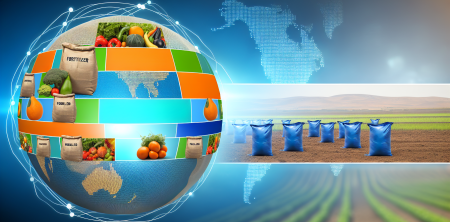
The ongoing conflict in Iran, led by a US military coalition, has triggered a severe disruption in global fertilizer supplies, exacerbating an already precarious food security situation worldwide. As shipments are stalled at the critical chokepoint of the Strait of Hormuz, the ramifications are being felt far beyond the immediate region, with key agricultural sectors in multiple countries now facing unprecedented challenges.
Impact of Fertilizer Supply Disruptions
Fertilizers are essential for modern agriculture, providing the necessary nutrients that crops require to thrive. With the blockage of shipments due to the conflict in Iran, countries heavily reliant on imported fertilizers are now grappling with significant shortages. This has led to shutdowns in major agricultural producers such as India, Algeria, and Slovakia, where high natural gas prices—crucial for fertilizer production—have compounded the crisis.
High Natural Gas Prices and Production Shutdowns
Natural gas is a critical component in the production of nitrogen-based fertilizers. As prices soared amid geopolitical tensions, many fertilizer plants have been forced to halt operations. In India, a leading global player in fertilizer consumption, the shutdowns are particularly alarming as they coincide with the planting season. Farmers are now facing a dire situation with limited access to essential nutrients for their crops.
China's Export Restrictions
Adding fuel to the fire, China has implemented restrictions on fertilizer exports, further straining global supplies. These limitations not only impact domestic production but also have cascading effects on international markets. Australian wheat growers, for instance, are facing challenges in planting due to reduced fertilizer availability. In the United States, corn and soybean farmers are similarly affected, seeking government relief measures reminiscent of those during previous agricultural crises.
Wheat Planting in Australia
Australia's wheat production is particularly vulnerable. With the planting season fast approaching, farmers are expressing growing concerns over their ability to secure sufficient fertilizer supplies. The current restrictions imposed by China are expected to hinder planting efforts, potentially leading to lower yields during the critical growing season. Reports indicate that the situation is dire, with farmers unsure of how to navigate the impending shortages.
Threats to Global Food Security
The implications of these fertilizer shortages extend far beyond individual countries. The potential for widespread food insecurity is increasing, as agricultural output declines globally. The current crisis underscores the interconnectedness of international food supply chains, where disruptions in one region can have ripple effects across the globe.
Statistics Highlighting the Crisis
- According to experts, food prices could rise sharply, with projections indicating a potential increase of 20% or more in the coming months.
- The Food and Agriculture Organization (FAO) has warned that millions could face hunger if the situation does not improve.
- Countries that depend on imported fertilizers are likely to see significant reductions in crop yields, with estimates suggesting a drop of up to 30% in some regions.
Global Responses and Future Outlook
In response to the crisis, various nations are exploring options to mitigate the impact of fertilizer shortages. Some countries are looking to increase domestic production, while others are seeking alternative sources of fertilizer to diversify their supply chains. However, these measures will take time to implement, and the urgency of the situation cannot be overstated.
Call for International Cooperation
Experts emphasize the need for international cooperation to address the food supply challenges brought on by the fertilizer crisis. Stakeholders across the agricultural sector are calling for policy interventions that can stabilize prices and ensure that farmers have access to the resources they need to produce food. Without a coordinated response, the threat of escalating food insecurity looms large.
Conclusion
The fertilizer supply crisis resulting from the conflict in Iran is a stark reminder of the fragility of global food systems. As high natural gas prices and export restrictions continue to disrupt agricultural production, the world faces a potential food security crisis that could affect millions. Immediate action is needed to address these challenges and safeguard the future of food production worldwide.

