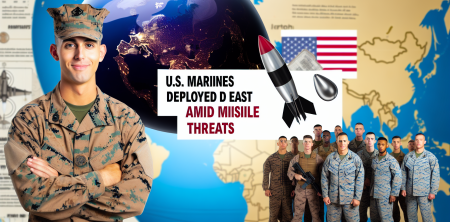
The geopolitical landscape in the Middle East is becoming increasingly volatile as an expeditionary force of U.S. Marines has been deployed to the region. This significant military presence arrives in the wake of an attempted missile strike by Iran-aligned Houthi militants in Yemen targeting Israel, which has raised alarms over the potential for a broader conflict involving multiple nations.
Escalating Tensions in the Region
On Saturday, the U.S. Marines touched down in the Middle East, reflecting a strategic response to rising tensions that have been exacerbated by the Houthis' missile attack. Although the missile strike was unsuccessful, it demonstrated the increasing willingness of Iran-backed groups to engage in aggressive actions that threaten regional stability. This incident has potentially widened the conflict involving the U.S. and Israel against Iranian influence in the area.
Missile Attack Highlights Iran's Regional Influence
The Houthi rebels, who have been engaged in a protracted civil war in Yemen, are known for their reliance on Iranian support for weapons and military strategy. The attempted missile attack on Israel is not an isolated incident but a part of a broader pattern of aggression that has included rocket fire from Lebanon and Syria towards Israeli territory. This pattern of hostilities underscores the Houthis' role as a key player in Iran's regional strategy to challenge U.S. and Israeli interests.
U.S. Military Response and Diplomatic Efforts
In light of these developments, President Trump expressed that "very strong talks" are underway with Iran to seek a diplomatic resolution to the escalating crisis. However, ongoing military strikes reported on Friday and Saturday indicate a complex situation where diplomatic channels may be struggling to gain traction. The deployment of U.S. Marines serves as both a deterrent against further aggression and a reinforcement of America's commitment to its ally, Israel.
Concerns Over Global Economic Impact
The conflict involving the Houthis and their missile threats poses significant risks to global economic stability. The Middle East is a crucial hub for oil production, and any escalation of hostilities could lead to supply disruptions. Economists warn that prolonged tensions in the region might have ripple effects on global markets, particularly in energy prices, which can affect economies worldwide.
Regional Power Dynamics and Diplomatic Meetings
As the situation unfolds, Pakistan is set to host a crucial meeting of Middle Eastern powers, including Saudi Arabia, Turkey, and Egypt, on Monday. This gathering aims to foster a regional approach to the ongoing crisis, emphasizing the need for dialogue and cooperation among nations. Notably, warring parties like the Houthis are excluded from the discussions, which could limit the effectiveness of the talks in addressing the root causes of the conflict.
Key Players in the Middle East
- Saudi Arabia: A leading power in the Gulf Cooperation Council (GCC), Saudi Arabia has a vested interest in curbing Iranian influence in the region.
- Turkey: Straddling both Europe and Asia, Turkey plays a significant role in regional politics and has its own interests in opposing Iranian expansion.
- Egypt: As a pivotal player in Arab politics, Egypt's involvement is crucial for any diplomatic resolution.
The absence of the Houthis raises questions about the inclusivity of the discussions, as their exclusion might hinder a comprehensive understanding of the conflict's dynamics. Without addressing the grievances of all parties involved, particularly those of the Houthis, achieving lasting peace may prove challenging.
Conclusion: A Complex Road Ahead
The arrival of U.S. Marines in the Middle East marks a critical juncture in the ongoing conflict involving Iran and its regional proxies. While diplomatic efforts are being pursued, the reality on the ground remains precarious, with missile threats from the Houthis underscoring the potential for further escalations. As the world watches closely, the effectiveness of regional meetings and the ability of key players to navigate these turbulent waters will be crucial in determining the future stability of the Middle East.

