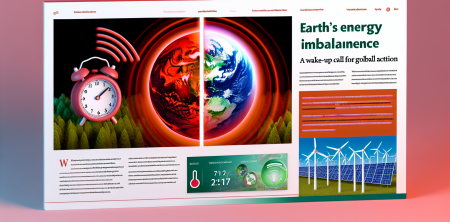
In a stark warning that resonates across the globe, U.N. Secretary-General António Guterres has drawn attention to the alarming state of Earth’s climate system. He emphasized that the planet is being pushed beyond its limits, with every key climate indicator flashing bright red. This dire situation stems primarily from a growing energy imbalance, which underlines the urgent need for concerted global action.
Understanding Earth's Energy Imbalance
At the heart of the issue is the excess heat trapped in the atmosphere due to greenhouse gas emissions. Carbon dioxide (CO2), methane, and other greenhouse gases have been accumulating at unprecedented rates, creating a thick blanket that retains heat. This process not only raises global temperatures but also disrupts weather patterns, leading to extreme weather events.
Key Indicators of Climate Distress
Recent assessments by scientists confirm that the impacts of this energy imbalance are evident and worsening. Some of the most critical indicators include:
- Rising Global Temperatures: Global average temperatures have already surpassed pre-industrial levels by approximately 1.2 degrees Celsius. This seemingly small increase has profound implications for ecosystems and human health.
- Extreme Weather Events: There has been a marked increase in the frequency and intensity of extreme weather events, such as hurricanes, wildfires, and heatwaves. These phenomena are becoming more common and more severe as the climate continues to warm.
- Melting Ice and Rising Sea Levels: The polar ice caps and glaciers are melting at alarming rates, contributing to rising sea levels that threaten coastal communities worldwide.
- Ocean Acidification: The oceans are absorbing much of the excess CO2, leading to acidification, which adversely affects marine life and ecosystems.
The Urgency for Global Action
Given the stark reality of the current climate crisis, Guterres has called for an urgent and unified response from all nations. The U.N. Secretary-General's remarks come as countries around the world grapple with the immediate impacts of climate change. He implores world leaders to recognize that the time for half-measures is over and that comprehensive strategies are required to combat climate change effectively.
Recent scientific assessments provide a clear roadmap for action. To mitigate the impacts of climate change, scientists recommend:
- Reducing Greenhouse Gas Emissions: Slashing emissions is essential to stabilize global temperatures. This can be achieved through a transition to renewable energy sources, improving energy efficiency, and adopting sustainable practices across various sectors.
- Investing in Climate Resilience: Developing infrastructure and systems that can withstand the impacts of climate change will be crucial for communities worldwide, particularly those most vulnerable.
- Enhancing Carbon Sequestration: Protecting and restoring forests, wetlands, and other natural ecosystems can help absorb CO2 from the atmosphere.
- Promoting International Cooperation: Climate change knows no borders; therefore, global solutions require international collaboration. Countries must work together to share technology, resources, and knowledge.
The Role of Policy and Innovation
The path toward addressing Earth’s energy imbalance requires not only commitment from governments but also innovative solutions from the private sector. Policymakers play a crucial role in creating an environment that fosters innovation in clean energy technologies and sustainable practices.
In recent years, there has been a notable increase in investments in renewable energy sources such as wind and solar power. These technologies are becoming more affordable and accessible, enabling countries to shift away from fossil fuels. Additionally, advancements in battery storage and grid technology are enhancing the reliability of renewable energy.
Public Awareness and Action
Public awareness and grassroots movements have also been pivotal in pushing for climate action. Individuals and communities worldwide are increasingly advocating for sustainable practices and demanding accountability from their governments and corporations. The youth-led climate movement has highlighted the importance of immediate action, mobilizing millions to call for a sustainable future.
As the world faces this growing energy imbalance, it is clear that the stakes have never been higher. Each individual, community, and nation must recognize their role in combating climate change. The challenge is daunting, but the opportunity to create a more sustainable and equitable world is within reach.
Conclusion
The warnings from U.N. Secretary-General António Guterres serve as a critical reminder that the time to act is now. Earth’s energy imbalance is not just an environmental issue; it is a pressing humanitarian concern that affects us all. By acknowledging the seriousness of the situation and committing to meaningful action, we can work towards restoring balance to our planet’s climate system and ensuring a livable future for generations to come.

