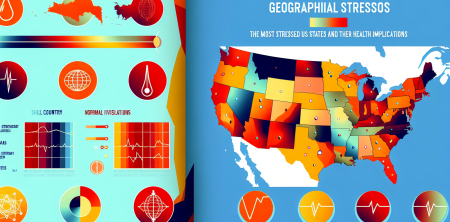
As we navigate through the complexities of modern life, stress has emerged as a significant public health concern across the United States. A recent analysis has shed light on the most stressed states in 2026, revealing a troubling trend: rising costs are leading residents to forgo necessary medical care, further exacerbating their health issues. This report identifies Louisiana, Kentucky, and New Mexico as the states with the highest stress levels, highlighting the important intersection between geographic location and overall well-being.
The Stress Rankings Explained
According to the analysis, the rankings of stress levels in various states are not merely reflections of individual circumstances but are shaped by broader regional factors. Louisiana, Kentucky, and New Mexico topped the list, with their residents facing unique challenges that contribute to heightened anxiety and stress.
Louisiana: The Stress Capital
Louisiana has been identified as the most stressed state in the nation. The state has long faced economic challenges, including a high poverty rate and limited access to quality healthcare. The aftermath of natural disasters, such as hurricanes, has further strained resources, leaving many residents feeling overwhelmed.
- Poverty Rate: Louisiana consistently ranks among the states with the highest poverty rates, which correlates directly with stress levels.
- Healthcare Access: An inadequate healthcare infrastructure leads many to avoid seeking medical attention due to cost concerns.
- Natural Disasters: Frequent hurricanes and flooding create an environment of uncertainty and fear.
Kentucky: Economic and Health Disparities
Following closely behind is Kentucky, a state grappling with both economic and health disparities. The prevalence of smoking, obesity, and other health challenges compound the stress faced by many residents.
- Health Statistics: Kentucky has some of the highest rates of smoking and obesity in the nation, which are linked to chronic stress and other health issues.
- Healthcare Accessibility: Many Kentuckians report skipping necessary medical care due to financial constraints, leaving health issues unaddressed.
- Economic Strain: The state’s economy has struggled to recover from past recessions, contributing to a sense of hopelessness among residents.
New Mexico: A Combination of Factors
New Mexico rounds out the top three most stressed states. Similar to Louisiana and Kentucky, New Mexico faces high poverty rates and challenges in accessing healthcare. The state's unique cultural and economic landscape also plays a role in shaping its residents' mental health.
- High Poverty Rates: New Mexico has consistently reported high levels of poverty, which can lead to stress and anxiety.
- Cultural Factors: The state’s diverse population adds layers of complexity to healthcare access and community support.
- Healthcare System: Many residents skip medical care due to high costs, which exacerbates existing health issues.
The Impact of Skipping Medical Care
The decision to forgo medical care can have severe consequences. A significant portion of the population in these states is experiencing health complications that could be prevented or managed with timely medical attention. The study indicates that rising healthcare costs are a primary reason residents choose to skip necessary medical services. This trend is alarming, as it not only affects individual health but also the overall health of communities.
Consequences of Skipping Care
- Worsening Health Conditions: Chronic conditions may deteriorate without proper management, leading to more severe health crises.
- Increased Emergency Room Visits: Residents may end up seeking emergency care, which is often more expensive and less effective than regular medical treatment.
- Mental Health Decline: The stress of untreated health issues can lead to a decline in mental health, creating a vicious cycle.
Addressing the Stress Crisis
To combat this growing crisis, stakeholders—including healthcare providers, policymakers, and community organizations—must work collaboratively to improve access to care and reduce costs. Initiatives could include:
- Policy Changes: Advocating for healthcare reforms that address rising costs and improve access for low-income populations.
- Community Health Programs: Developing programs that provide free or low-cost health services can alleviate some of the financial pressures residents face.
- Public Awareness Campaigns: Increasing awareness about mental health resources and available medical services can encourage residents to seek help.
The analysis of stress levels in the U.S. highlights a critical public health issue that requires immediate attention. By understanding the geographic and economic factors that contribute to stress, we can begin to forge a path toward a healthier, more resilient society.

