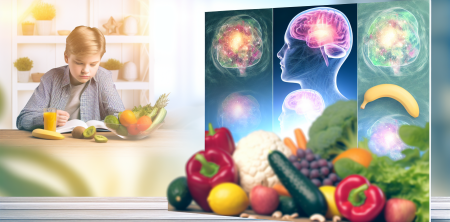
In recent years, the connection between diet and mental health has gained increasing attention, particularly concerning adolescents. A comprehensive review conducted by researchers at Swansea University suggests that the dietary choices of teenagers may significantly impact their mental well-being. Published in the journal Nutrients on March 29, 2026, the study highlights the correlation between healthier eating patterns and reduced symptoms of depression and psychological distress among teenagers.
Key Findings from the Research
The review encompasses 19 studies, which include six randomized controlled trials and 13 prospective cohort studies. The researchers found a consistent link between healthier diets and improved mental health outcomes, while lower-quality diets were associated with an increase in mental health issues. This correlation raises critical questions about the role of nutrition in the psychological health of young individuals.
Healthy Eating Patterns and Their Benefits
According to the findings, teenagers who adhere to healthier eating patterns—rich in fruits, vegetables, whole grains, and lean proteins—exhibit fewer symptoms of depression and lower levels of psychological distress. This indicates that dietary habits could be a significant factor in promoting better mental health among adolescents.
Consequences of Poor Diets
On the other hand, the study points out that diets high in processed foods, sugars, and unhealthy fats contribute to an increase in mental health issues. Such lower-quality diets may lead to greater instances of anxiety, depression, and other psychological disorders. This correlation highlights the necessity for parents, educators, and policymakers to prioritize nutrition as a vital component of mental health strategies for adolescents.
The Mixed Evidence on Supplements
While the review emphasizes the importance of overall dietary patterns, it also examines the role of individual dietary supplements, such as vitamin D. The findings regarding supplements were mixed and inconsistent, suggesting that while some supplements may offer benefits, they cannot replace the need for a balanced, nutritious diet. This uncertainty calls for caution in relying solely on supplements to improve mental health.
Future Research Directions
The researchers propose a roadmap for future studies that focuses on several key areas:
- Biological Markers: Understanding the biological mechanisms that link diet and mental health could provide valuable insights.
- Standardized Methods: The establishment of standardized methods for assessing dietary habits and mental health outcomes would enhance the reliability of future research.
- Broader Mental Health Outcomes: Expanding the scope of mental health outcomes studied could yield a more comprehensive understanding of how diet affects adolescents.
The call for enhanced research is supported by the Institute for the Advancement of Food & Nutrition Sciences, which emphasizes the need for a deeper exploration into the relationship between nutrition and mental health.
Practical Implications for Parents and Educators
The implications of this research are profound for parents and educators. As mental health issues among teenagers continue to rise, integrating nutrition education into school curriculums and promoting healthy eating habits at home could play a critical role in prevention and intervention strategies. Here are some practical steps:
- Encourage Balanced Meals: Parents should focus on providing balanced meals that include a variety of food groups.
- Limit Processed Foods: Reducing the availability and consumption of processed foods and sugary snacks can contribute to better mental health.
- Promote Cooking and Meal Preparation: Teaching teenagers how to cook and prepare healthy meals can empower them to make better dietary choices.
Furthermore, schools could incorporate nutrition education into their health programs, emphasizing the importance of diet in relation to mental well-being. By fostering a culture that values healthy eating, communities can contribute to improving the mental health of their young people.
Conclusion
The review from Swansea University underscores the significant connection between dietary choices and mental health among teenagers. As the evidence mounts, it becomes increasingly clear that promoting healthier eating patterns could serve as a vital intervention in addressing the mental health crisis facing adolescents today. This research not only highlights the need for further studies but also calls for immediate action from parents, educators, and policymakers to prioritize nutrition as a fundamental aspect of mental health care.

