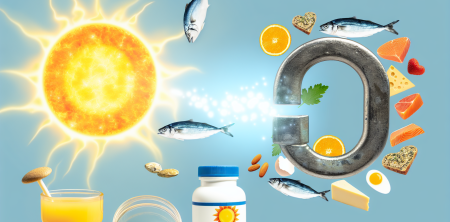
Understanding Vitamin D: The Sunshine Vitamin
Vitamin D is often referred to as the "sunshine vitamin" due to its unique ability to be synthesized in the skin through sunlight exposure. This vital nutrient plays a critical role in maintaining bone health, supporting the immune system, and ensuring proper musculoskeletal function. However, a significant number of individuals struggle to obtain adequate levels of vitamin D through diet and sunlight alone.
The Stark Reality: Vitamin D Deficiency in America
Recent studies reveal a troubling trend: approximately 93% to 100% of Americans fail to meet the minimum recommended daily intake of 400 IU (International Units) of vitamin D through their diet. Furthermore, nearly half of the U.S. population is considered vitamin D deficient overall. This deficiency can lead to a variety of health issues, including weakened bones, increased susceptibility to infections, and even chronic diseases.
Natural Food Sources of Vitamin D
While sunlight is a primary source of vitamin D, dietary options are limited. According to experts like integrative dietitian Whitney Crouch and Sina Gallo, Ph.D., R.D., only a handful of foods provide significant amounts of this essential nutrient. Here are some of the best food sources:
- Trout: A 3-ounce serving contains about 645 IU of vitamin D.
- Sockeye Salmon: Each 3-ounce portion provides approximately 570 IU.
- UV-Exposed Mushrooms: A half-cup can yield around 366 IU.
- Fortified Yogurt: Some brands offer up to 200 IU per 6-ounce serving.
- Fortified Milk: Regular cow's milk can provide about 120 IU per cup.
Despite the availability of these foods, incorporating enough vitamin D into your diet can still be challenging, especially for those with dietary restrictions or preferences.
The Role of Sunlight in Vitamin D Absorption
Sunlight exposure is crucial for vitamin D synthesis, as UVB rays trigger its production in the skin. However, various factors can influence this process:
- Geographical Location: People living further from the equator may have limited sunlight exposure during winter months.
- Skin Tone: Individuals with darker skin may require more sunlight to produce adequate vitamin D.
- Time of Year: Vitamin D production is significantly lower during fall and winter.
- Sun Protection: Sunscreen, while necessary for skin protection, can inhibit vitamin D synthesis.
For optimal vitamin D levels, experts recommend intentional sun exposure, ideally for about 15 to 30 minutes several times a week, depending on skin type and local climate. However, this advice may not be feasible for everyone, especially those with limited access to sunlight or those living in areas with harsh winters.
Supplementation: A Necessary Approach
Given the challenges of obtaining sufficient vitamin D through diet and sunlight, many health professionals advocate for supplementation. While the minimum recommended daily intake is 400 IU, experts frequently suggest aiming for around 5,000 IU daily for optimal health benefits. This higher dosage is believed to support various bodily functions and reduce the risk of deficiency-related health issues.
When considering vitamin D supplements, it’s essential to choose the right form. Vitamin D3 (cholecalciferol) is generally recommended over D2 (ergocalciferol) due to its superior efficacy in raising serum vitamin D levels. Always consult with a healthcare provider before starting any supplementation regimen to determine the appropriate dosage based on individual health needs.
Monitoring Your Vitamin D Levels
To ensure you are maintaining adequate vitamin D levels, regular monitoring is advisable, especially for individuals at higher risk of deficiency. A simple blood test can measure serum 25-hydroxyvitamin D levels, providing valuable insight into your vitamin D status. This proactive approach allows for timely adjustments to diet, sun exposure, or supplementation as necessary.
Conclusion: A Holistic Approach to Vitamin D Intake
In summary, vitamin D is an essential nutrient that plays a crucial role in overall health. With many Americans failing to meet their daily requirements through food and sunlight, it’s vital to adopt a comprehensive approach to ensure adequate intake. This includes incorporating vitamin D-rich foods into your diet, getting moderate sun exposure, and considering supplementation if needed. By taking these steps, you can help protect your bone health and bolster your immune system, ultimately fostering a healthier lifestyle.

