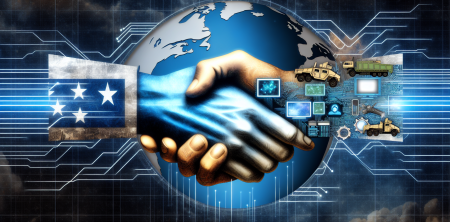
In an era marked by escalating geopolitical tensions, particularly between the United States and Iran, technology companies are increasingly aligning themselves with the defense sector. Firms such as Palantir Technologies, Anthropic, and Anduril Industries are forming strategic partnerships with traditional arms manufacturers like Lockheed Martin and Boeing. This shift underscores a significant transformation within Silicon Valley, as tech companies pivot towards defense contracts to address modern warfare needs.
Rising Geopolitical Tensions Fuel Tech-Defense Collaborations
The backdrop of this burgeoning collaboration is the ongoing conflict involving the US and Israel against Iran. As the situation intensifies, the US government has ramped up military spending, with substantial budgets allocated to defense initiatives. This increased funding has set the stage for tech companies to leverage their advanced technologies to meet the evolving demands of modern warfare.
Palantir's Strategic Role in Military Operations
Palantir Technologies, renowned for its data analytics prowess, has made significant inroads into the defense sector. The company’s flagship product, the Maven platform, has been instrumental in military offensives. Palantir's CEO, Alex Karp, has characterized this partnership with the defense sector as a major shift for Silicon Valley, highlighting the growing need for advanced data capabilities in military applications.
The Maven platform facilitates the aggregation and analysis of vast amounts of data, enabling military leaders to make informed decisions swiftly. This capability has proven critical in various operations, allowing for real-time insights that can influence the outcome of engagements.
Anthropic's AI Innovations for Defense
Another key player in this landscape is Anthropic, a company focused on artificial intelligence. Their AI technologies are being integrated into military frameworks, where they are used to enhance decision-making processes and operational efficiency. The utilization of AI in the defense sector is not merely a trend; it represents a profound shift towards technology-driven warfare.
As military operations become increasingly complex, the ability to process and analyze information rapidly is paramount. Anthropic's advancements in AI provide military planners with the tools necessary to navigate these complexities effectively.
Anduril Industries: Pioneering Defense Technologies
Anduril Industries stands out as a pioneer in developing defense technologies specifically designed to counter threats posed by adversaries such as Iran. The company recently secured a significant contract worth $20 billion over ten years to provide advanced defense systems against Iran's Shahed drones.
Matthew Steckman, president of Anduril, emphasizes the vital role their systems play in national security. With the increasing sophistication of drone warfare, Anduril's technologies are essential for safeguarding critical infrastructures and military assets from aerial threats.
Collaboration with Traditional Defense Contractors
The partnerships formed between tech companies and traditional defense contractors reflect a broader trend of convergence between Silicon Valley and the military-industrial complex. As defense needs evolve, the expertise of tech firms in areas such as AI, data analytics, and surveillance systems becomes invaluable.
- Lockheed Martin: A global aerospace, defense, and security company, Lockheed Martin collaborates with tech firms to integrate cutting-edge technologies into their platforms.
- Boeing: Known for its aerospace products, Boeing is also investing in partnerships with tech innovators to enhance its defense capabilities.
These collaborations not only bolster the technological prowess of defense systems but also enable tech companies to tap into lucrative military contracts, reshaping their business models to cater to national security needs.
Future Implications of Tech-Defense Partnerships
The implications of this shift are profound, as it signals a new era of warfare characterized by technology-driven strategies. The integration of AI and data analytics into military operations suggests a future where decision-making is increasingly automated and reliant on real-time data.
Moreover, as tech companies deepen their involvement in the defense sector, ethical considerations will come to the forefront. The potential for misuse of advanced technologies in warfare raises questions regarding accountability and moral responsibility in tech development.
Conclusion
The growing collaboration between tech giants and the defense industry highlights a pivotal moment in the evolution of warfare. With the stakes higher than ever, companies like Palantir, Anthropic, and Anduril are not just adapting to the needs of modern military operations; they are reshaping the landscape of defense technology itself. As geopolitical tensions continue to escalate, the integration of advanced technologies into military frameworks will likely become even more pronounced, marking a new chapter in the intersection of technology and national security.

