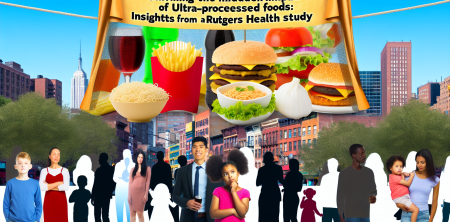
In a revealing study conducted by Rutgers Health, researchers have uncovered the significant presence and impact of ultra-processed foods in Newark, particularly among families with preschool-aged children. The study, which involved mothers documenting their shopping experiences by taking a staggering 814 photographs over a period of four months, highlights the overwhelming marketing of such foods, which include popular items like chicken nuggets and macaroni & cheese. These findings provide crucial insights into the dietary choices available to urban families and the pervasive influence of food marketing.
The Study: A Closer Look
The Rutgers Health study was designed to assess how the marketing of ultra-processed foods affects the dietary perceptions and choices of parents in urban areas. By using a visual diary method, the research aimed to capture real-time data on the foods that dominate supermarket shelves and restaurant menus targeted at children. The participating mothers were asked to take photographs of the food products they encountered, providing a valuable window into the food landscape in Newark.
Ultra-Processed Foods: A Definition
Ultra-processed foods are defined as industrial formulations that typically contain five or more and often many ingredients. These foods often include additives such as preservatives, sweeteners, colorings, and emulsifiers, which are not typically used in home cooking. Examples include ready-to-eat meals, sugary beverages, and snacks that appeal to children. The convenience and marketing of these products make them especially attractive to busy parents.
Key Findings
The findings from the Rutgers Health study paint a concerning picture of dietary trends among families in Newark:
- Dominance of Ultra-Processed Foods: The photographs captured by the mothers revealed that ultra-processed foods are not only prevalent in grocery stores but also dominate the kids' menus at local restaurants. This trend raises questions about the nutritional options available for children.
- Influence on Parental Choices: The marketing strategies employed by food companies have a significant impact on how parents perceive these foods as viable options for their children. Many parents reported feeling that these products are convenient and appealing, despite concerns over their nutritional value.
- Reassessing Food Choices: The study has prompted parents to reassess their food choices for their children. Many expressed a desire for healthier options but felt constrained by the overwhelming availability and marketing of ultra-processed foods.
Marketing Practices Under Scrutiny
The study's findings have led to increased scrutiny of food marketing practices in New Jersey's urban areas. Researchers and public health advocates are calling for a reassessment of how these foods are marketed, particularly to vulnerable populations such as low-income families. The pervasive advertising of ultra-processed foods can create a perception that these items are the norm, leading to normalized consumption patterns that may not prioritize health and nutrition.
Implications for Public Health
As urban areas grapple with rising rates of childhood obesity and related health issues, the implications of the Rutgers Health study are significant. Public health officials are urged to consider the following:
- Policy Changes: There is a need for policies that regulate the marketing of ultra-processed foods, especially those aimed at children. This could include restrictions on advertising in schools or during children's programming.
- Community Education: Educating parents about nutrition and the impacts of ultra-processed foods is crucial. Community programs that promote healthy eating habits and provide resources for making better food choices can empower parents to make informed decisions.
- Access to Healthier Foods: Improving access to fresh and unprocessed food options is essential. Initiatives to support local farmers' markets and community gardens can help families incorporate more nutritious foods into their diets.
Looking Forward
The insights from the Rutgers Health study serve as a wake-up call for urban communities and policymakers alike. As the prevalence of ultra-processed foods continues to rise, it is imperative to address the marketing practices that shape parental perceptions and choices. With the right interventions and support, families can be empowered to prioritize their children's nutrition and well-being.
Ultimately, the study underscores the need for a collective effort to create a healthier food environment for all families, ensuring that nutritious options are not just available but also appealing and accessible. Only then can we hope to reverse the trends of poor dietary choices and their associated health consequences in urban areas like Newark.

