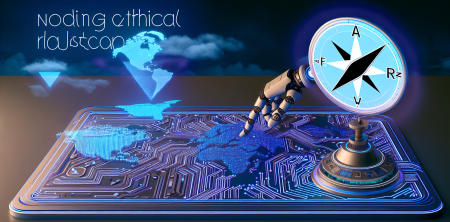
As the U.S. military continues to explore the integration of artificial intelligence (AI) into its defense strategies, the implications of these advancements have sparked a robust conversation among experts and ethicists. In a recent interview with NPR’s Steve Inskeep, Tristan Harris, co-founder of the Center for Humane Technology, delved into the Pentagon's use of AI, raising critical questions about the technology's ethical ramifications and practical applications in military operations.
The Growing Role of AI in Defense
Harris emphasized that the Pentagon's adoption of AI is not merely about efficiency or modernization; it represents a fundamental shift in how military operations are conducted. AI technologies can process vast amounts of data and execute tasks at speeds far beyond human capabilities. This shift raises numerous concerns about accountability, decision-making, and the potential for unintended consequences.
Implications for Warfare
The integration of AI into military frameworks allows for enhanced surveillance, predictive analytics, and automated systems that can operate independently. Harris pointed out that while these advancements can lead to improved operational effectiveness, they also introduce significant risks. The potential for AI to make life-and-death decisions raises profound ethical questions:
- Autonomy in Combat: As AI systems become more autonomous, the question arises: who is responsible for their actions? If an AI system makes a decision that results in civilian casualties, is the blame placed on the programmer, the military leadership, or the machine itself?
- Escalation of Conflict: The speed and efficiency of AI-driven operations could lead to quicker military responses. This rapid escalation may reduce the time for diplomatic solutions, increasing the risk of conflict.
- Bias and Algorithmic Fairness: AI systems are only as unbiased as the data they are trained on. Harris warned that flawed data could lead to biased decision-making, disproportionately impacting vulnerable populations.
Ethical Considerations in AI Deployment
Harris's dialogue with Inskeep highlighted the importance of establishing ethical frameworks to guide AI deployment in military settings. He proposed that the military must engage with ethicists, technologists, and the public to develop comprehensive guidelines that address the following:
- Transparency: Military operations involving AI should be transparent to ensure accountability and public trust. This includes clear communication about how AI systems are being used and the decisions they are making.
- Human Oversight: Despite advancements, there should always be a human in the loop. Harris stressed that while AI can assist in decision-making, ultimate authority should rest with humans to prevent potential misuse or errors.
- International Standards: The global implications of AI in warfare necessitate international agreements and standards. Collaborative efforts are essential to prevent an arms race in autonomous weapons.
The Future of AI in Military Operations
Looking ahead, the conversation around AI in military operations will likely intensify as technology evolves. Harris indicated that the critical challenge will be balancing the advantages of AI—such as operational efficiency and enhanced capabilities—against the ethical dilemmas it presents. Moreover, as the technology continues to develop, so too must the policies governing its use.
One potential avenue for progress is the establishment of independent oversight bodies tasked with evaluating AI applications in the military. Such organizations could provide checks and balances, ensuring that AI deployments adhere to ethical standards and do not compromise human rights.
Public Engagement and Awareness
Another aspect of the discussion that Harris highlighted is the importance of public engagement. The ramifications of AI in military contexts extend beyond the battlefield and into civilian life. Therefore, it is crucial for the public to be informed and involved in discussions about military technology and its ethical implications.
Education and awareness campaigns can empower citizens to ask critical questions about how AI is being used and the potential consequences of its deployment in military operations. This public scrutiny can serve as a catalyst for accountability and ethical governance.
A Call for Responsible Innovation
As the U.S. military forges ahead with AI technology, Harris's insights serve as a poignant reminder of the need for a responsible approach to innovation. The stakes are high, and the integration of AI into defense strategies must be accompanied by rigorous ethical considerations and robust oversight mechanisms.
In conclusion, the dialogue surrounding the Pentagon's use of artificial intelligence is crucial for navigating the complexities of modern warfare. By prioritizing ethics, fostering public engagement, and ensuring transparency, the military can harness the power of AI while minimizing its risks. As we stand on the brink of this technological revolution, it is imperative that we tread carefully, balancing the benefits of innovation with the responsibilities that come with it.

