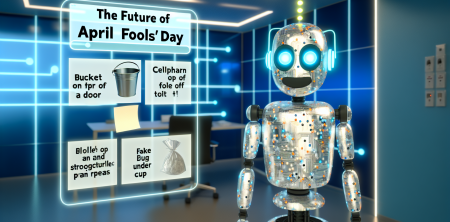
April Fools' Day, celebrated on April 1st, has long been a day of laughter and mischief, filled with pranks and jokes that range from harmless fun to elaborate schemes. As we step into 2026, the evolution of technology has brought a new twist to this age-old tradition. Artificial intelligence tools, particularly ChatGPT and Google Gemini, are revolutionizing the way users plan their pranks, making them safer, more structured, and ultimately more enjoyable for everyone involved.
The Rise of AI in Prank Planning
In recent years, the integration of AI into various aspects of our lives has been undeniable. From virtual assistants to recommendation systems, AI is everywhere. Now, as we approach April Fools' Day 2026, users are turning to these intelligent chatbots to brainstorm and devise their prank strategies.
ChatGPT, developed by OpenAI, and Google Gemini have become go-to platforms for pranksters seeking detailed, well-structured ideas. These AI tools provide users with comprehensive prank plans that include not only the core idea but also scripts, timing, and guidelines for safe reveals. The emphasis on safety and reversibility is particularly noteworthy, as pranksters strive to ensure that their antics do not cross any lines or cause distress.
Safe and Structured Pranks
One of the most significant shifts in prank culture is the focus on safety and thoughtful execution. With the help of AI, pranksters can generate ideas that are both creative and considerate of others' feelings. Some popular prank ideas that have emerged in 2026 include:
- Staged Email Sequences: Imagine receiving a series of emails from a fictional company announcing bizarre products or services. AI tools can help users craft these emails, ensuring they are amusing yet harmless.
- Hidden Speakers: Using strategically placed speakers, pranksters can play animal sounds or silly messages throughout a home or office, creating a lighthearted atmosphere without causing disruption.
- Household Pranks: Simple household pranks, such as wrapping everyday items in aluminum foil or creating fake spills, can be easily planned using detailed AI-generated instructions.
These ideas not only promise laughter but also maintain a level of control over the prank's execution, ensuring that the fun doesn't turn into chaos.
The Role of AI in Creativity
Creativity is at the heart of April Fools' Day, and AI tools like ChatGPT and Gemini are enhancing this creative process. By providing users with a plethora of suggestions and helping them refine their ideas, these platforms are unlocking new levels of ingenuity.
For instance, users can ask ChatGPT to generate a list of potential pranks tailored to specific contexts, such as workplace settings or family gatherings. The AI can offer varying levels of complexity and risk, allowing users to choose pranks that fit their audience. This personalized approach not only sparks creativity but also encourages users to think critically about the impact of their pranks.
Community and Collaboration
The rise of social media has transformed April Fools' Day into a global phenomenon, with people sharing their pranks online. AI tools have further facilitated this by enabling users to collaborate and share their ideas more efficiently.
Online communities dedicated to prank planning have emerged, with members discussing their experiences and providing feedback on AI-generated ideas. This collaborative spirit fosters a sense of camaraderie among prank enthusiasts, allowing them to learn from one another and enhance their prank-planning skills.
Ethical Considerations
As with any form of humor, ethical considerations are paramount, especially when it comes to pranks. The use of AI in prank planning invites a deeper reflection on the nature of humor and its effects on individuals and communities.
While AI can assist in creating harmless pranks, it also raises questions about the potential for misuse. Users must remain vigilant about the possible consequences of their actions, ensuring that their pranks do not cross the line into insensitivity or harm. The structured approach promoted by AI tools encourages pranksters to consider the implications of their jokes, reinforcing the importance of empathy in humor.
Conclusion
As we embrace the future of April Fools' Day in 2026, the integration of AI tools like ChatGPT and Google Gemini signifies a shift towards safer, more structured, and thoughtful pranks. By leveraging these technologies, users are not only enhancing their creativity but also promoting a culture of consideration and fun. The emphasis on harmless laughter ensures that the spirit of April Fools' Day remains intact, allowing everyone to participate in the joy of playful mischief without fear of negative repercussions.

