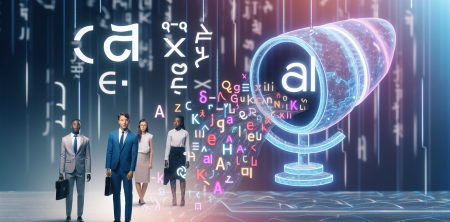
In an increasingly interconnected world, the importance of effective communication cannot be overstated, particularly within educational settings. K-12 schools are becoming more diverse, welcoming students from various linguistic backgrounds. To accommodate this growing diversity, AI translation tools are emerging as invaluable assets in the classroom, enabling personalized learning experiences and fostering inclusive educational environments.
Understanding AI Translation Tools in Education
AI translation technologies utilize advanced algorithms and machine learning to convert text and speech from one language to another in real-time. These tools not only facilitate communication between educators and students but also ensure that learning materials are accessible to all students, regardless of their primary language.
Enhancing Communication in Multilingual Classrooms
One of the primary challenges in K-12 education is ensuring that all students can engage with their lessons fully. Language barriers can significantly hinder a student's ability to grasp core concepts and participate in discussions. AI translation tools bridge this gap by providing instantaneous translations, allowing for seamless communication between teachers and students who speak different languages.
- Real-time Translation: AI tools can translate spoken language during lessons, enabling teachers to communicate effectively with non-native speakers.
- Text Accessibility: Learning materials can be translated into various languages, making it easier for students to understand the content.
- Parent-Teacher Communication: AI translation facilitates conversations between educators and parents who may not share a common language, fostering stronger home-school partnerships.
Supporting Diverse Student Populations
As classrooms become more diverse, the need to support students from various linguistic backgrounds becomes paramount. According to recent statistics, over 20% of students in U.S. public schools come from homes where a language other than English is spoken. This demographic shift highlights the necessity for educational institutions to adopt innovative solutions to promote inclusivity.
Personalized Learning Experiences
AI translation tools allow educators to tailor learning experiences to meet the individual needs of students. By providing translated resources, these tools enable students to learn at their own pace and in a language they are comfortable with. This personalization not only enhances understanding but also boosts student confidence.
- Customized Resources: Teachers can easily adapt lesson plans and materials to cater to the linguistic needs of each student.
- Interactive Learning: With real-time translation, students can engage in discussions and group activities without feeling left out.
- Assessment Accessibility: AI tools can also translate assessments, allowing students to demonstrate their knowledge without language hindrance.
The Role of Teachers in Integration
While AI translation tools offer numerous benefits, the role of teachers remains critical in effectively integrating these technologies into the classroom. Educators must not only familiarize themselves with the tools but also understand how to leverage them to enhance teaching and learning outcomes.
Professional Development and Training
Investing in professional development is essential for teachers to maximize the potential of AI translation tools. Training sessions can help educators learn how to use these technologies efficiently, ensuring that they can support their students effectively.
- Workshops and Seminars: Schools should offer regular training opportunities focused on the latest AI translation technologies and best practices for implementation.
- Peer Collaboration: Encouraging teachers to share their experiences and strategies can foster a supportive environment for integrating new tools.
- Feedback Mechanisms: Establishing channels for teachers to provide feedback on the effectiveness of translation tools can help refine their use and improve overall classroom experiences.
Challenges and Considerations
Despite the advantages of AI translation tools, some challenges remain. Concerns about the accuracy of translations and the potential for miscommunication can affect educators' and students' trust in these technologies. Moreover, reliance on AI tools should not replace the need for language education.
Ensuring Quality and Accuracy
To address concerns regarding translation accuracy, it is crucial for educators to verify the quality of translations and be aware of the limitations of AI tools. Regular assessments and updates of the technology can help ensure that students receive the most accurate information.
Conclusion: The Future of Language in Education
As K-12 education continues to evolve, the integration of AI translation tools represents a significant step toward creating a more inclusive and equitable learning environment. By breaking down language barriers, these technologies empower students from diverse backgrounds to thrive academically and socially. However, the successful implementation of AI tools relies on the commitment of educators to harness their potential effectively. As schools embrace these innovations, the future of language in education looks promising, paving the way for a more interconnected and understanding society.

