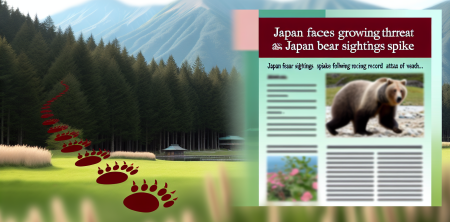
In a troubling turn of events, Japan is grappling with a significant rise in bear sightings, following a record-high number of fatal encounters between humans and bears in 2025. The alarming statistic of 13 deaths attributed to bear attacks has raised serious concerns about public safety as authorities brace for the bears' emergence from hibernation this spring.
Record Fatalities Raise Alarm
The year 2025 marked a grim milestone for Japan, recording the highest number of fatalities linked to bear encounters since tracking began. The 13 deaths, which included both rural residents and outdoor enthusiasts, have prompted intensified discussions about bear management strategies across the nation. Experts emphasize that these incidents underscore a growing human-wildlife conflict, largely due to habitat encroachment and changing bear behaviors.
Increased Bear Activity Expected
As the weather warms, bears, particularly the Asian black bear and the brown bear species, are expected to leave their dens in search of food. This seasonal awakening heightens the risk of encounters with humans, especially in regions where bear populations are already high. Authorities are on high alert, urging communities, particularly those in rural and mountainous areas, to remain vigilant.
Factors Behind Rising Bear Sightings
- Habitat Loss: Urban development and agricultural expansion have encroached on bear habitats, forcing these animals to venture closer to human settlements.
- Food Scarcity: A decline in natural food sources, such as nuts and fruits, has driven bears to seek alternative food options, often in residential areas.
- Climate Change: Changing weather patterns affect bear hibernation cycles and food availability, disrupting their natural behaviors.
Government Response and Public Safety Measures
In response to the alarming rise in bear attacks, local governments have implemented a multi-faceted approach to enhance public safety. Authorities are actively working on several fronts:
- Public Awareness Campaigns: Educational initiatives are being launched to inform residents about bear behavior and safety precautions, including how to react when encountering a bear.
- Increased Patrols: Wildlife officials are stepping up patrols in areas with high bear activity to monitor bear movements and provide timely warnings to residents.
- Bear-Proofing Initiatives: Communities are being encouraged to install bear-proof trash bins and secure food sources to minimize attractants for bears.
Local Communities on Edge
Residents in areas with frequent bear sightings are understandably on edge. Many have reported close encounters, with some even witnessing bears rummaging through garbage or wandering into backyards. Local authorities have received numerous calls about bear sightings, leading to heightened anxiety among families, especially those with children.
In rural areas, farmers are particularly concerned about bears attacking livestock and damaging crops. The financial implications of such encounters can be devastating, leading to a push for more robust compensation schemes for affected farmers.
Expert Insights
Wildlife experts suggest that the situation calls for a balanced approach, combining conservation efforts with effective management strategies. Dr. Hiroshi Tanaka, a wildlife biologist, emphasized the need for comprehensive research to understand bear behavior better: "We must find ways to coexist with bears without compromising public safety. This requires investment in research, community education, and innovative management practices."
Looking Ahead: Coexistence Strategies
As Japan moves forward, the challenge will be to develop effective coexistence strategies that prioritize both human safety and wildlife conservation. Possible measures include:
- Community Engagement: Involving local residents in bear management plans can foster a sense of ownership and responsibility towards wildlife.
- Research and Monitoring: Continued research into bear populations and their behaviors will help inform policies and public safety measures.
- Habitat Restoration: Initiatives aimed at restoring natural habitats can help reduce bear-human conflicts by providing bears with their necessary resources away from populated areas.
Conclusion
As Japan faces a surge in bear sightings following a record number of fatal encounters, the government and local communities must collaborate to enhance safety measures while respecting wildlife. The challenge lies in finding a balance that ensures the safety of residents and the preservation of bear populations, which play a crucial role in the ecosystem. As spring approaches, vigilance and proactive measures will be key in navigating this complex issue.

