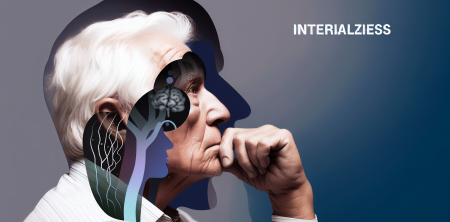
A recent study published on April 1, 2026, has shed light on the profound effects of internalized stress on cognitive health in older adults. Conducted by a team of researchers, the study offers critical insights into how stress may serve as a significant driver of memory decline, particularly as individuals age. By analyzing stress biomarkers and brain imaging data from over 1,000 participants, the researchers have established a clear link between elevated internalized stress levels and accelerated cognitive impairment.
The Role of Internalized Stress
Internalized stress refers to the psychological strain that individuals experience when they internalize stressors rather than expressing them outwardly. This form of stress can manifest through anxiety, depression, or a sense of helplessness. According to the findings of the study, individuals with high levels of internalized stress demonstrated a faster accumulation of tau proteins in their brains—proteins that are increasingly recognized as markers of neurodegenerative diseases such as Alzheimer's.
Key Findings from the Study
- Participants: The study involved over 1,000 older adults, providing a substantial sample size for analysis.
- Stress Biomarkers: Researchers measured various biomarkers associated with stress, including cortisol levels and other neuroendocrine responses.
- Brain Imaging: Advanced imaging techniques were utilized to track tau protein accumulation in the participants' brains.
- Correlation: A clear correlation was observed where higher internalized stress levels were associated with a more rapid increase in tau proteins.
These findings have significant implications for understanding the relationship between stress and cognitive health. As individuals age, the ability to manage stress effectively can diminish, making it essential to address the psychological components of stress in order to protect cognitive function.
Understanding Tau Protein Accumulation
Tau proteins are crucial for stabilizing microtubules, which are part of the cell's structure. However, in neurodegenerative diseases, tau proteins can become hyperphosphorylated and form tangles that disrupt cellular function, leading to cell death and neurodegeneration. The study indicates that internalized stress may be accelerating this process, thereby hastening cognitive decline.
Implications for Older Adults
The implications of these findings are particularly vital for the aging population. Cognitive decline can severely impact the quality of life, leading to challenges in daily functioning, independence, and overall well-being. Understanding that internalized stress plays a role in this decline opens up new avenues for intervention.
Potential Interventions
The authors of the study advocate for the development of interventions aimed at stress management as a way to potentially mitigate cognitive decline. Some strategies that may prove effective include:
- Mindfulness and Meditation: Practices that promote mindfulness can help individuals become more aware of their stress responses and develop healthier coping mechanisms.
- Cognitive Behavioral Therapy (CBT): This therapeutic approach can assist individuals in reframing negative thought patterns and reducing internalized stress.
- Physical Activity: Regular exercise has been shown to reduce stress and improve overall cognitive function.
- Social Support: Engaging with friends and family can provide emotional support, thereby alleviating feelings of isolation and internalized stress.
The Need for Awareness
As this research highlights the intricate relationship between stress and cognitive health, it underscores the importance of awareness surrounding mental health, especially in older adults. Caregivers, healthcare professionals, and family members should be vigilant in recognizing signs of internalized stress and its potential impact on cognitive function.
Moreover, increasing public awareness about the effects of stress on aging is paramount. Educational programs that inform older adults about stress management techniques may empower individuals to take proactive steps toward preserving their cognitive health.
Conclusion
In conclusion, the recent study illustrates that internalized stress is not merely a mental health concern but a significant factor influencing cognitive decline in aging adults. With a growing body of evidence linking stress to tau protein accumulation and subsequent cognitive impairment, it is evident that addressing stress through targeted interventions could play a crucial role in enhancing the quality of life for older individuals.
As the population ages, prioritizing mental well-being will be essential in combating cognitive decline. By fostering environments that promote stress management, society can support older adults in maintaining their cognitive health and overall quality of life.

