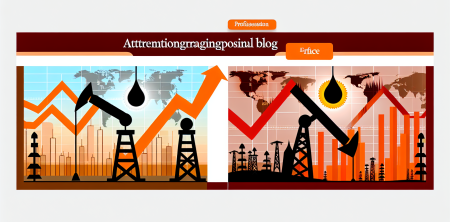
In a dramatic turn of events, oil prices soared sharply following a national address from President Donald Trump, during which he reaffirmed the United States' commitment to intensifying military operations against Iran. This announcement sent ripples through global markets, particularly impacting the energy sector and Asian stock indices.
Oil Prices Jump Significantly
On April 2, 2026, Brent crude oil prices surged by 7.4%, reaching $108.69 per barrel. Meanwhile, U.S. crude saw an impressive rise of 7.1%, climbing to $107.24 per barrel. This substantial increase in oil prices is attributed to the heightened geopolitical tensions stemming from President Trump's declaration that the U.S. would "hit Iran hard" and aim to "finish the job" as core strategic objectives in the region are nearing completion.
Market Reactions in Asia
The announcement did not only impact oil prices but also caused significant declines in Asian stock markets. Japan's Nikkei 225 index fell by 2.4%, while South Korea's Kospi index experienced an even steeper decline of 4.5%. These decreases reflect investor concerns regarding the implications of escalating military actions and their potential effects on global economic stability.
European Markets Follow Suit
The negative sentiment continued in Europe, where major indices also reported losses. Germany’s DAX index fell by 1.6%, reflecting a broader trend of risk aversion among investors who are wary of the potential for further escalation in the Middle East. The uncertainty surrounding oil supply and pricing dynamics has led to a cautious approach among market participants.
U.S. Futures Show Weakness
As the day progressed, U.S. futures indicated a similarly bearish outlook. The S&P 500 futures dropped by 1.1%, while Dow Jones futures were down by 0.9%. These figures suggest that U.S. investors are bracing for potential market volatility as the situation unfolds. The intertwining of military action and economic implications continues to keep investors on edge.
Geopolitical Context
The backdrop for this surge in oil prices and decline in stock markets revolves around the ongoing tensions between the U.S. and Iran. Trump's remarks come at a time when his administration has been under pressure to demonstrate a decisive stance against Iran's nuclear ambitions and its influence in the Middle East. The U.S. has accused Iran of destabilizing the region, which has led to military interventions and growing concerns over oil supply disruptions.
Impact on Global Oil Markets
The increase in oil prices is a significant concern for global markets, particularly in an environment where investors are already grappling with inflationary pressures and supply chain disruptions. Higher oil prices can lead to increased costs for consumers and businesses alike, potentially stifling economic growth.
Future Outlook
Looking ahead, analysts are closely monitoring how the situation will evolve. Factors such as further military engagement, diplomatic negotiations, and OPEC's response to changing oil supply dynamics will play critical roles in shaping market conditions in the coming weeks. The interconnectedness of global markets means that developments in the Middle East will likely reverberate through economies worldwide.
Conclusion
In summary, President Trump's recent remarks have triggered significant movements in oil prices and stock markets, underscoring the delicate balance between geopolitical events and economic stability. As the U.S. continues to navigate its foreign policy objectives in the Middle East, investors will need to remain vigilant and adaptable to the shifting landscape. The trajectory of oil prices and the performance of global markets will depend on the outcomes of both military and diplomatic efforts in the region.

