Reimagining Travel in 2026
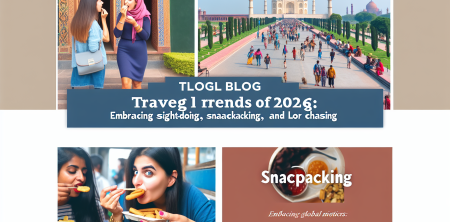
As we step into 2026, the landscape of travel is undergoing a seismic shift, driven largely by the preferences of Millennials and Generation Z. A recent report by American Express sheds light on these evolving trends, emphasizing a move away from traditional sightseeing to more immersive and engaging experiences. This new travel ethos is characterized by three distinct trends: sight-doing, snackpacking, and lore chasing.
The Rise of Sight-Doing
Sight-doing represents a transformative approach to travel that combines the visual pleasure of sightseeing with active participation in local culture and activities. Unlike the passive consumption of sights, sight-doing encourages travelers to dive deeper into their destinations through hands-on experiences.
- Engaging with Locals: This trend often involves direct interaction with local communities, such as cooking classes, artisan workshops, or guided tours led by local experts.
- Adventure Activities: Sight-doing can also include adventurous pursuits like hiking, biking, or even surfing, which not only offer a unique perspective of the landscape but also foster a deeper connection to the environment.
- Cultural Immersion: Travelers are opting for experiences that allow them to immerse themselves in the local culture, from learning traditional crafts to participating in local festivals.
This trend is particularly appealing to younger generations who prioritize experiences over material possessions and seek to create lasting memories through active engagement.
Snackpacking: A Culinary Adventure
The second emerging trend, snackpacking, caters to the growing appetite for gourmet snacking adventures. This trend encapsulates the idea of exploring a destination through its diverse culinary offerings, focusing on sampling local delicacies and street foods rather than indulging in full-course meals.
- Food Trails: Travelers are increasingly seeking out food trails that guide them through local markets, food stalls, and eateries, allowing them to taste a variety of dishes in one outing.
- Gourmet Snacking: Snackpacking emphasizes quality over quantity, encouraging travelers to savor artisanal snacks, gourmet bites, and regional specialties that reflect the local culture.
- Interactive Dining Experiences: Many snackpacking enthusiasts are opting for experiences that allow them to learn about the food they are tasting, such as cooking classes or food tours with local chefs.
This trend not only satiates the palate but also provides a narrative about the cultural and historical significance of the cuisine, enriching the travel experience.
Lore Chasing: The Quest for Stories
Lore chasing is the third trend highlighted in the American Express report, emphasizing the pursuit of cultural myths, legends, and stories unique to each destination. This trend reflects a deep-seated desire among travelers to connect with the narratives that shape the places they visit.
- Exploring Local Folklore: Travelers are seeking experiences that allow them to delve into local folklore, from ghost tours in historic cities to mythological tales rooted in the landscapes.
- Storytelling Experiences: Guided tours that focus on storytelling have gained popularity, as travelers engage with local historians and storytellers who bring the culture to life.
- Documenting Personal Journeys: Many travelers are also documenting their own lore, capturing their experiences and interactions to share with others, thus contributing to the evolving narrative of the places they explore.
Lore chasing not only enhances the travel experience but also fosters a greater appreciation for the cultural richness of a destination.
The Generational Shift in Travel Preferences
The trends of sight-doing, snackpacking, and lore chasing signal a broader generational shift in travel preferences. Millennials and Gen Z travelers are increasingly looking for personalized experiences that resonate with their values and interests. This shift emphasizes:
- Active Engagement: Younger travelers prefer to be active participants in their journeys rather than passive observers.
- Personalization: There is a growing demand for travel experiences that cater to individual tastes and interests, allowing for a more tailored approach to exploration.
- Story-Driven Experiences: The importance of storytelling in travel cannot be overstated; it adds depth to the journey and fosters connections with local cultures.
As these trends continue to gain momentum across America, Europe, and Asia, the travel industry is adapting to meet the needs of this new generation of adventurers. The focus is shifting towards creating enriching experiences that go beyond traditional tourism, prioritizing authenticity and engagement.
Conclusion
In summary, 2026 promises to be a year of transformation in the travel industry, characterized by the emergence of sight-doing, snackpacking, and lore chasing. These trends reflect the desires of Millennials and Gen Z for more immersive, engaging, and story-rich travel experiences. As travelers seek to explore the world in a more meaningful way, the travel sector must embrace these changes and innovate to cater to the evolving preferences of a new generation of explorers.

