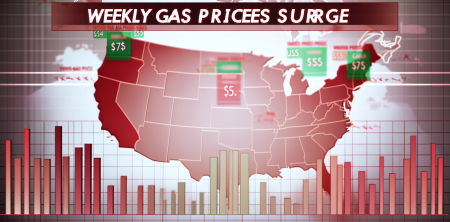
The landscape of gasoline prices in the United States has taken a noticeable turn as we progress through April 2026. As of April 12, the national average for gasoline has continued its upward trend, driven in part by fluctuating oil market dynamics and geopolitical tensions. This report delves into the latest weekly average gas prices across key states including California, Texas, Florida, and New York, highlighting the implications for consumers and the broader market.
Rising Prices in California
California continues to lead the nation in gasoline prices, reflecting both high demand and limited supply. As of April 12, the average price for all grades of gasoline in the state has reached approximately $4.592 per gallon, marking a significant increase from its value of $4.50 just a week prior. This upward trend is consistent with patterns observed in early April, where prices have consistently increased, raising concerns among consumers and industry analysts alike.
Market Dynamics at Play
The current fluctuations in gas prices can be attributed to several factors. Recent discussions surrounding the collapse of US-Iran talks have introduced a layer of uncertainty into the oil markets. Geopolitical tensions, particularly in oil-producing regions, often lead to speculation and price volatility, affecting supply chains and consumer prices across the board.
Impact of Geopolitical Factors
- US-Iran Relations: The breakdown of negotiations has raised concerns about potential sanctions and oil supply disruptions.
- OPEC Decisions: Decisions made by OPEC regarding production levels continue to influence global oil prices.
- Domestic Supply Challenges: Refinery outages and maintenance schedules have also contributed to tighter supply in the US market.
Comparative Prices Across Major States
While California remains at the forefront of high gas prices, other states are experiencing their own variations. Here’s a look at the latest average gasoline prices in key states as of April 12:
- Texas: The average price per gallon is approximately $3.745, reflecting a moderate increase but still significantly lower than California.
- Florida: In Florida, consumers are facing an average of $3.970 per gallon, which shows a steady rise compared to previous weeks.
- New York: New York's average price has reached $4.038 per gallon, indicating a sharp increase amidst rising demand.
- San Francisco: In the San Francisco area, prices are peaking at around $4.800 per gallon, one of the highest in the nation.
Consumer Reactions and Economic Implications
The ongoing rise in gasoline prices is likely to have a range of implications for consumers and the broader economy. Many individuals are expressing frustration over the increasing costs, which can strain budgets and alter spending habits. For businesses reliant on transportation and logistics, higher fuel prices can mean increased operational costs, which could be passed on to consumers in the form of higher prices for goods and services.
Potential Consumer Adjustments
- Increased Use of Public Transportation: As gasoline prices rise, many consumers may turn to public transport options to mitigate costs.
- Carpooling and Ridesharing: Carpooling may become a more attractive option for commuters looking to save on fuel.
- Fuel-Efficient Vehicles: There may be a shift in consumer preference towards more fuel-efficient or electric vehicles as a long-term strategy against rising costs.
Looking Ahead: What to Expect
As we move further into April and beyond, industry experts suggest that the trajectory of gasoline prices will largely depend on external factors such as geopolitical developments, OPEC's production decisions, and seasonal demand fluctuations. The potential for further price increases remains high if tensions in oil-producing regions escalate or if domestic production continues to face challenges.
Consumers and businesses alike will need to stay informed on these developments to navigate the evolving landscape of fuel prices. Making prudent decisions now can help mitigate the impact of rising costs, ensuring both individuals and organizations can adapt to the changing energy market.

