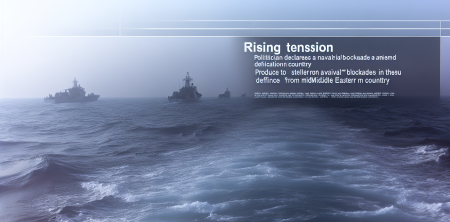
In a significant escalation of rhetoric surrounding U.S.-Iran relations, President Donald Trump declared during a Fox News phone interview that the United States would implement a blockade of the Strait of Hormuz. This strategic waterway is crucial for global oil transportation, with around 20% of the world's petroleum passing through it. Trump's comments come at a time of already heightened tensions with Iran, which responded dismissively to the blockade threats, suggesting that they would not yield to U.S. pressure.
Comparison to Venezuelan Sanctions
In his remarks, Trump drew parallels between the impending blockade of Hormuz and previous U.S. actions against Venezuela. The Trump administration has long criticized the Venezuelan government, leading to sanctions and other measures aimed at crippling its economy. By likening the two situations, Trump appears to signal a willingness to take drastic measures to exert control over Iranian oil exports, which are vital to its economy.
Iran's Response
The Iranian government quickly dismissed Trump's threats as ineffective, asserting that the U.S. lacks the capability to enforce such a blockade without facing serious repercussions. Iranian officials have consistently maintained that any attempt to restrict their oil exports would be met with a robust response. The situation is complicated by Iran's strategic military capabilities in the region, including its naval strength, which could challenge U.S. dominance in the waters of the Persian Gulf.
Implications of a Blockade
A blockade of the Strait of Hormuz could have far-reaching implications for global oil markets and international relations. Experts warn that such actions could lead to significant disruptions in oil supply, potentially causing prices to spike and triggering an economic backlash worldwide. Furthermore, the blockade could provoke military confrontations, raising the stakes in an already volatile region.
- Global Oil Supply: The Strait of Hormuz is a critical chokepoint for oil shipments, making any blockade potentially devastating for the global economy.
- Military Escalation: The presence of U.S. forces in the region could lead to clashes with Iranian naval forces, escalating the conflict.
- International Relations: The move could alienate U.S. allies who may be reliant on Iranian oil, complicating diplomatic relations.
Political Landscape in Hungary
While the focus remains on U.S.-Iran relations, significant political developments are also unfolding in Europe. Hungarian Prime Minister Viktor Orban recently conceded defeat in the parliamentary elections. Partial results indicated that Peter Magyar's Tisza party had secured a landslide victory, marking a pivotal shift in Hungarian politics.
Orban's government, known for its far-right policies and nationalist stance, faced increasing discontent among voters, particularly regarding economic issues and governance. The Tisza party's victory signals a desire for change among the electorate, potentially altering Hungary's political landscape.
Humanitarian Crisis in Lebanon
Adding to the complexities of the current geopolitical climate, reports indicate a worsening humanitarian crisis in Lebanon. According to Palestinian Christians in Australia, approximately one in five people in Lebanon has been displaced due to the ongoing military actions by Israel. The situation continues to deteriorate, with many individuals and families fleeing their homes in search of safety and stability.
The displacement crisis is exacerbated by the economic challenges facing Lebanon, which has been grappling with an economic collapse over the past few years. The influx of displaced individuals strains already limited resources and services, creating a dire humanitarian situation that requires urgent international attention.
Conclusion
As President Trump’s administration moves forward with plans that could lead to a blockade of the Strait of Hormuz, the world watches closely. The implications of such a decision are profound, potentially setting off a chain reaction that could reverberate through global oil markets and international relations. Meanwhile, the political shifts in Hungary and the humanitarian crisis in Lebanon illustrate that the current geopolitical landscape is fraught with challenges that extend far beyond U.S.-Iran tensions.
In this complex environment, the actions taken by world leaders will be closely scrutinized as they navigate the intricate web of diplomacy, economic stability, and humanitarian needs. The coming weeks and months will likely prove critical in shaping the geopolitical scene in both the Middle East and Europe.

