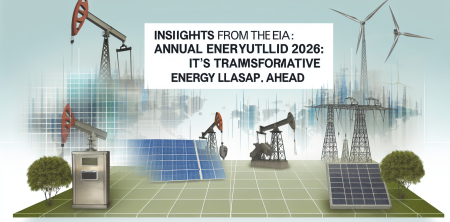
The U.S. Energy Information Administration (EIA) has unveiled its Annual Energy Outlook 2026 (AEO2026), presenting a comprehensive analysis of the country’s energy future through 2050. This report is a critical resource for policymakers, industry leaders, and environmental advocates, as it assesses various scenarios based on market trends, technological advancements, and policy shifts.
Projected Growth in Energy Demand
A key takeaway from the AEO2026 is the anticipated surge in electricity demand. The EIA forecasts that the installed generating capacity in the United States will need to increase by 50-90% by the year 2050 to meet rising consumer and industrial needs. This substantial growth reflects both a burgeoning population and an economy increasingly reliant on electricity for various sectors.
Energy Generation Sources: A Shift Towards Renewables
In the evolving energy landscape, natural gas, solar, and wind are projected to account for 80% of the growth in energy generation. The report emphasizes the pivotal role of these sources in transitioning towards a cleaner energy future:
- Natural Gas: The production of natural gas is expected to rise significantly, from 107 billion cubic feet per day (Bcf/d) in 2025 to between 133 and 151 Bcf/d by 2050. This increase is particularly pronounced in the Appalachian Basin, which is likely to become a key player in the natural gas supply chain.
- Solar and Wind: The report highlights a robust expansion in solar and wind capacity, driven by technological advancements and decreasing costs. These renewable sources are integral to meeting the future energy demands sustainably.
Coal's Declining Role in the Energy Mix
In stark contrast to the growth of natural gas and renewables, the AEO2026 indicates a dramatic decline in coal demand. As retirements of coal-fired power plants accelerate and stringent emissions regulations come into play, coal may potentially vanish from the power sector entirely. The transition away from coal is underscored by:
- Regulatory Pressures: Increasingly rigorous environmental regulations are driving coal out of the market, making it less competitive compared to cleaner alternatives.
- Market Dynamics: Economic factors, including the low cost of natural gas and renewables, are further contributing to coal's declining relevance in the energy landscape.
Exploring Scenarios: 11 Cases of Energy Futures
The EIA's AEO2026 is not just a single forecast but an exploration of 11 different cases that consider varying assumptions about market conditions, technology advancements, and policy environments. These scenarios help illuminate the complexities of energy planning and the diverse pathways that could shape the future:
- Market Assumptions: Each case incorporates different expectations regarding economic growth, technological developments, and investment trends.
- Policy Variations: The scenarios also account for potential changes in energy policy, ranging from aggressive climate action to more laissez-faire approaches, impacting how energy resources are developed and consumed.
Implications for Energy Policy and Planning
The findings from the AEO2026 have profound implications for energy policy and infrastructure planning. As the U.S. moves towards a more sustainable energy future, decision-makers must consider:
- Infrastructure Investments: Significant investments in electricity infrastructure will be necessary to accommodate the expected increase in generating capacity. This includes not only building new generation facilities but also expanding transmission and distribution networks.
- Support for Renewables: Policies that promote the deployment of solar and wind technologies will be crucial for achieving the ambitious growth targets projected in the AEO2026.
- Transition Strategies: As coal plants retire, strategies must be developed to ensure a just transition for communities reliant on coal jobs and revenues, including retraining programs and economic diversification efforts.
Conclusion: A Transformative Energy Future
The EIA's Annual Energy Outlook 2026 paints a transformative picture of the U.S. energy landscape over the next few decades. With a strong emphasis on natural gas, solar, and wind, the forecast underscores the importance of adapting to changing energy demands while addressing environmental concerns. As stakeholders navigate this evolving landscape, the insights derived from AEO2026 will serve as a vital guide for fostering a sustainable and resilient energy future.

