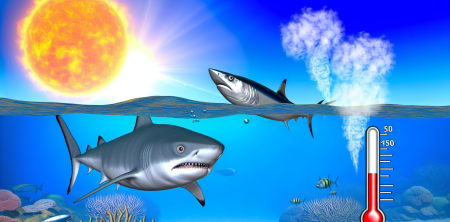
The Impact of Rising Ocean Temperatures
The oceans, vital to the health of our planet and home to a myriad of life forms, are undergoing drastic changes due to climate change. Among the most affected are some of the ocean's fastest and most formidable predators—the great white sharks and various species of tuna. Recent research reveals that these apex predators are experiencing unexpectedly high body temperatures, leading to physiological stress that threatens their survival and performance.
Physiological Stress in Sharks and Tuna
Great white sharks and tuna are known for their remarkable speed and agility, a result of their unique adaptations that allow them to thrive in the ocean's diverse ecosystems. However, as ocean temperatures continue to rise, these adaptations are being put to the test.
Studies indicate that these species are running hotter than previously anticipated, a phenomenon that can lead to significant physiological stress. This stress manifests in various ways, including reduced metabolic efficiency, impaired reproductive success, and altered behavior patterns. As the waters warm, the physiological demands of these creatures are exceeding their capabilities, forcing them to confront an increasingly challenging environment.
Adaptation Challenges
Adaptation is a natural response to changing environmental conditions, yet the rapid pace of climate change is leaving many marine species with limited options. For great white sharks and tuna, the rising temperatures present a dilemma. While they possess some physiological adaptations that allow them to maintain higher body temperatures than many other fish, these adaptations are not limitless.
- Metabolic Rates: Increased body temperature can lead to elevated metabolic rates, which can be detrimental if food availability does not keep pace with the demands of a hotter body.
- Reproductive Challenges: Higher temperatures can affect reproductive cycles, leading to lower offspring survival rates and potential declines in population numbers.
- Behavioral Changes: Changes in temperature can alter migratory patterns, hunting strategies, and social interactions, complicating the already complex dynamics of marine ecosystems.
A Closer Look at Great White Sharks
The great white shark, a symbol of ocean strength and power, now faces unprecedented challenges due to the impacts of climate change. Known for their ability to regulate body temperature to some extent, these sharks have evolved to thrive in a range of ocean temperatures. However, the current pace of warming is pushing these adaptations to their limits.
Research has shown that great white sharks can experience thermal stress when ocean temperatures exceed their comfortable range. This stress can lead to a variety of negative outcomes, including decreased hunting efficiency and increased susceptibility to disease. As these sharks struggle to maintain their body temperatures, their ability to hunt and reproduce effectively diminishes.
The Struggles of Tuna Species
Tuna, like great whites, are known for their speed and endurance, making them some of the most effective predators in the ocean. However, they too are feeling the effects of rising temperatures. Different species of tuna, such as bluefin and yellowfin, have varying degrees of adaptability to temperature changes, but they all face similar challenges as ocean conditions worsen.
Bluefin tuna, for instance, are highly sought after for their culinary value, but their populations are already under pressure from overfishing and habitat degradation. The added stress of higher ocean temperatures complicates their recovery efforts, as these fish are less able to migrate to cooler waters or adapt to changing food availability.
Implications for Marine Ecosystems
The decline in populations of apex predators like great white sharks and tuna can have cascading effects throughout marine ecosystems. These species play critical roles in maintaining the balance of their environments, and their decline could lead to overpopulation of prey species, further disrupting the ecological balance.
As these predators struggle to cope with thermal stress, other marine species may also be affected. For instance, their prey, such as smaller fish and squid, may experience changes in their own survival and reproductive rates due to the shifting dynamics in predator-prey relationships.
Global Implications and Future Considerations
The challenges faced by great white sharks and tuna are not isolated issues; they are indicative of a broader trend affecting marine life around the globe. As ocean temperatures continue to rise, more species may find themselves in similar predicaments, leading to potential declines in biodiversity and shifts in ecosystem structure.
Addressing these challenges requires a multifaceted approach, including:
- Conservation Efforts: Protecting critical habitats and implementing sustainable fishing practices can help alleviate some of the pressures on these species.
- Research and Monitoring: Continued research is essential to understand the full scope of climate change impacts on marine life and to develop strategies for adaptation and resilience.
- Public Awareness: Educating the public about the importance of these predators and the challenges they face can foster support for conservation initiatives.
Conclusion
The plight of great white sharks and tuna epitomizes the challenges facing marine ecosystems in a warming world. As these apex predators grapple with the reality of increased body temperatures and the associated physiological stress, their survival hangs in the balance. It is crucial that we recognize the interconnectedness of marine life and the urgent need to protect our oceans from the effects of climate change.
By committing to conservation and sustainable practices, we can help ensure that these magnificent creatures continue to thrive in their natural habitats, preserving the intricate web of life that exists beneath the waves.

