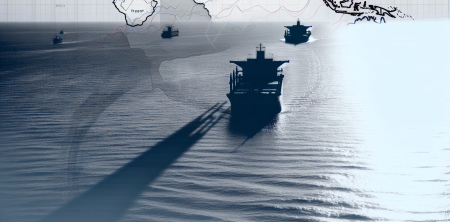
The Strait of Hormuz, a critical maritime corridor for global oil and trade, has become a focal point of tension as Iran tightens its grip on shipping in response to the escalating U.S.-Israeli war. Following nearly eight weeks of intense conflict, the number of vessels permitted to navigate this vital waterway has plummeted, with reports indicating that only one ship was allowed passage on a recent Tuesday. This drastic reduction not only highlights Iran's strategic responses to the ongoing military operations but also serves as a bellwether for the wider implications of the conflict on international trade and the global economy.
The Strategic Importance of the Strait of Hormuz
The Strait of Hormuz is often described as the world's most important oil chokepoint. Approximately 20% of the global oil supply passes through its narrow waters, making it essential for the economies of oil-dependent nations. The strait connects the oil-rich Persian Gulf with the Arabian Sea, and its stability is crucial for both regional and global markets. Any disruption in this corridor can have far-reaching consequences, leading to increased oil prices and economic instability worldwide.
Current Context: The U.S.-Israeli War on Iran
The backdrop to these shipping restrictions is the ongoing U.S.-Israeli military campaign against Iran, which has escalated tensions in the region. The U.S. and Israel, both of which have a vested interest in curbing Iran's influence and military capabilities, have intensified their operations, targeting Iranian assets and allies. This military engagement has reportedly included airstrikes, cyber warfare, and other forms of military pressure.
As a countermeasure, Iran has employed a strategy of maritime control, leveraging its position in the Strait of Hormuz to exert pressure both regionally and globally. By restricting shipping, Iran aims to demonstrate its ability to disrupt the flow of oil and challenge the military might of its adversaries.
Economic Implications of Shipping Restrictions
According to S&P Global Market Intelligence, the significant drop in the number of ships passing through the Strait of Hormuz is indicative of severe economic disruptions stemming from the ongoing conflict. With only one ship granted passage on a recent Tuesday, the implications for global supply chains are profound.
- Increased Oil Prices: A reduction in shipping through the Strait of Hormuz is likely to lead to an increase in oil prices. As fears of supply shortages grow, traders may react by raising prices, impacting consumers and businesses worldwide.
- Supply Chain Disruptions: The Strait is a key transit route for not only oil but also other goods and commodities. Disruptions here can ripple through global supply chains, affecting everything from manufacturing to retail.
- Market Volatility: The uncertainty surrounding the strait can lead to increased volatility in financial markets, as investors react to the potential for further escalation in the region.
The Response from Global Markets
In response to the reduction in maritime traffic, global markets have begun to show signs of strain. Traders and analysts are closely monitoring the situation, assessing potential impacts on oil supplies and prices. The international community has also reacted, with various nations expressing concern over the stability of the region.
Additionally, countries that rely heavily on oil imports are particularly vulnerable. For instance, nations in Asia and Europe, which depend on Middle Eastern oil, may experience economic repercussions, potentially leading to shifts in energy policy and sourcing strategies.
Iran's Strategic Calculus
Iran's decision to restrict shipping is not merely a reaction to the current conflict; it is part of a broader strategic calculus aimed at asserting its influence in the region. By controlling maritime traffic, Iran sends a clear message to both its adversaries and potential allies about its capabilities and resolve.
Military and Political Objectives
The Iranian government, led by President Ebrahim Raisi, appears to be utilizing its maritime strategies to achieve several objectives:
- Deterrence: By demonstrating its ability to disrupt shipping, Iran aims to deter further military action from the U.S. and Israel, hoping to make the costs of escalation too high for its adversaries.
- Domestic Mobilization: The Iranian leadership may also be seeking to rally domestic support by showcasing its military capabilities and resolve against foreign adversaries.
- Regional Influence: Iran's maritime maneuvers can bolster its position as a regional power, potentially influencing its relationships with neighboring countries and non-state actors.
International Reactions and Responses
The situation in the Strait of Hormuz has garnered attention from various international actors, each with their own interests at stake. The response from the United States and its allies has been particularly noteworthy.
U.S. and Allied Military Responses
In light of Iran's actions, the U.S. has indicated a willingness to bolster its military presence in the region. This includes the deployment of additional naval assets to ensure the safety of commercial shipping and to deter Iranian aggression.
Allied nations, particularly those that rely on oil imports from the Gulf, have also expressed concern over the situation. There may be calls for enhanced naval cooperation among allied nations to protect shipping lanes and ensure the free flow of trade.
Diplomatic Efforts
Diplomatically, there are ongoing discussions among various countries regarding how to address the tensions in the Strait of Hormuz. Some nations advocate for a peaceful resolution through negotiations, while others support a more aggressive military posture against Iran.
The complexity of the situation is further exacerbated by the broader geopolitical landscape, including Iran's relationships with China and Russia, both of which have expressed support for Iran in the face of U.S. aggression.
Long-Term Outlook
As the conflict between the U.S. and Israel on one side and Iran on the other continues to evolve, the situation in the Strait of Hormuz will remain a critical area of focus. The maritime restrictions imposed by Iran serve as both a tactical maneuver and an indicator of the broader geopolitical dynamics at play.
Potential Scenarios
Looking ahead, there are several potential scenarios that could unfold:
- Escalation of Conflict: Should Iran continue to impose strict shipping restrictions, it may provoke a stronger military response from the U.S. and its allies, leading to further escalation of the conflict.
- International Coalition: A coalition of nations may form to counter Iran's maritime strategy, resulting in increased military presence in the region.
- Negotiated Settlement: Alternatively, diplomatic efforts may gain traction, leading to a negotiated settlement that addresses both Iran's security concerns and the need for free navigation in the Strait.
Conclusion
The ongoing conflict in the region, marked by Iran's restrictive measures in the Strait of Hormuz, poses significant challenges for global trade and economic stability. As the situation unfolds, the international community must grapple with the implications of these developments while seeking pathways to de-escalate tensions and ensure the free flow of commerce through this vital maritime corridor.
In an increasingly interconnected world, the ramifications of actions taken in the Strait of Hormuz extend far beyond the region itself, underscoring the need for a comprehensive understanding of the geopolitical landscape and the intricate web of alliances and animosities that shape it.

