Introduction
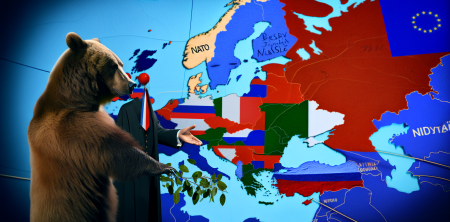
In a surprising turn of events, Italian Prime Minister Giorgia Meloni has extended a diplomatic olive branch toward Russian President Vladimir Putin, indicating a potential invitation for his participation in the upcoming G20 summit. This development is particularly notable given the backdrop of escalating tensions between the United States, under the Trump administration, and NATO, raising critical questions about the future of European security and international diplomacy.
The Context of Meloni's Appeal
As Europe grapples with the implications of ongoing geopolitical conflicts, Meloni's overture to Putin marks a significant pivot in Italian foreign policy. Since taking office, Meloni has navigated a complex landscape shaped by historic alliances and the emerging challenges presented by the Russian-Ukrainian war. Her appeal to Putin could signify a broader attempt to recalibrate Italy's position within the European Union and the global arena.
The G20 Summit: A Platform for Dialogue
The G20 summit, scheduled to take place in the coming months, serves as a crucial platform for world leaders to address pressing global issues, including economic recovery, climate change, and security challenges. Meloni's suggestion to include Russia in these discussions underscores her belief that engagement, rather than isolation, may yield more substantial diplomatic outcomes.
Trump's Deteriorating Relationship with NATO
The backdrop to Meloni's diplomatic maneuvering is the increasingly strained relationship between the Trump administration and NATO allies. Trump's presidency was characterized by a skeptical stance towards NATO, questioning the alliance's value and demanding increased financial commitments from member nations. This rhetoric has left many European leaders contemplating the future of transatlantic unity and collective security.
Implications of Trump's NATO Critique
- Increased Division: Trump's critiques have fueled divisions within NATO, as member states grapple with differing perspectives on defense spending and military commitments.
- Security Concerns: With a perceived withdrawal of U.S. support, European nations are increasingly concerned about their security, prompting some leaders to explore alternative alliances.
- Shift in Foreign Policy: Countries like Italy, led by Meloni, may shift their foreign policy strategies in response to the changing dynamics within NATO.
Meloni's Political Landscape
Giorgia Meloni, leader of the Brothers of Italy party, has positioned herself as a strong nationalist figure with a focus on restoring Italy's prominence on the global stage. Her stance on various political issues, including immigration and economic reform, reflects a desire to strengthen Italy's sovereignty while navigating complex international relationships.
Domestic Pressure and European Relations
Within Italy, Meloni faces pressure to balance national interests with European obligations. Her outreach to Putin may resonate with a segment of the Italian electorate that is increasingly skeptical of the EU's stance on Russia. Additionally, Meloni's actions could be seen as an attempt to establish Italy as a key player in European politics, especially as the EU grapples with its response to the war in Ukraine.
The Broader Geopolitical Implications
Meloni's overture to Putin is not merely a bilateral issue; it has broader implications for European security architecture and international relations. As European leaders assess their positions in light of Trump's criticism of NATO, the potential for a realignment of alliances becomes more pronounced.
Potential Outcomes of Meloni's Appeal
- Improved Relations with Russia: Should Meloni's appeal be well-received, it could lead to a thawing of relations between Italy and Russia, with potential economic benefits for Italy.
- Increased Tensions within the EU: Conversely, her outreach may exacerbate existing tensions within the EU as member states debate the appropriateness of engaging with Russia amidst ongoing sanctions.
- Realignment of NATO Dynamics: Meloni's approach could influence other NATO members to reconsider their positions, leading to a fracturing of the alliance's unity.
The Response from the International Community
Meloni's diplomatic overture has elicited mixed reactions from the international community. While some view her approach as a pragmatic acknowledgment of Russia's role in global affairs, others express concern about the implications of engaging with a nation facing widespread condemnation for its actions in Ukraine.
Support and Criticism
- Support: Proponents argue that dialogue is essential for peace and stability, advocating for a pragmatic approach to international relations.
- Criticism: Critics caution against legitimizing Putin's regime, emphasizing the importance of holding Russia accountable for its actions.
The Evolution of Italian Foreign Policy
Italy's foreign policy has undergone significant changes over the past few decades, shaped by historical alliances and contemporary challenges. Meloni's approach represents a potential departure from the previous government’s stance, which was more aligned with the EU's collective position on Russia.
Historical Context
Italy has traditionally been a strong supporter of NATO and the EU, aligning its foreign policy with the broader goals of these institutions. However, the rise of populist movements across Europe has led to a reevaluation of these commitments, with leaders like Meloni advocating for national interests.
Conclusion: A Pivotal Moment for Italy and Europe
Giorgia Meloni's direct appeal to Vladimir Putin signals a pivotal moment in Italian and European politics. As tensions with NATO grow under the Trump administration's influence, Meloni's outreach could redefine Italy's role on the global stage. The response from other European leaders and the international community will be crucial in determining the trajectory of this diplomatic initiative. As Europe stands at a crossroads, the choices made by leaders like Meloni will shape the future of international relations and security in the region.

