Introduction
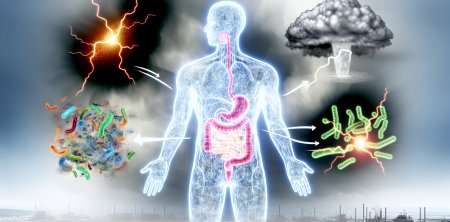
In recent years, the intricate relationship between gut health and mental well-being has garnered significant attention from researchers and healthcare professionals alike. A groundbreaking study from Harvard Medical School has shed new light on this connection, revealing a complex interplay between gut bacteria, environmental pollutants, and the immune system that may contribute to the development of depression. This research not only enhances our understanding of mental health but also opens up new avenues for potential treatments targeting inflammation and the gut microbiome.
The Study: Key Findings
The study conducted by researchers at Harvard Medical School centers around a specific gut bacterium known as Morganella morganii. This bacterium has been identified as a potential player in the development of depression, particularly when influenced by certain environmental chemicals. The research team discovered that exposure to a widely used chemical could trigger inflammation in the gut, which in turn may affect mood and mental health through chronic inflammatory processes.
Understanding Morganella morganii
Morganella morganii is a bacterium that is part of the human gut microbiota. While many gut bacteria are beneficial and contribute positively to our overall health, Morganella morganii has been associated with various health issues, including infections and inflammatory conditions. The Harvard study suggests that the presence of this bacterium, when coupled with environmental pollutants, may lead to adverse mental health outcomes.
The Role of Environmental Chemicals
Environmental chemicals, particularly those found in everyday products, have long been a concern for public health. The Harvard study highlights a specific chemical linked to Morganella morganii that stimulates an inflammatory response in the gut. This chemical is commonly found in various industrial products and has raised alarms due to its potential health effects.
The Inflammatory Response
Inflammation is the body's natural response to injury or infection; however, chronic inflammation can lead to a host of health problems, including mental health disorders. The study indicates that the inflammatory response triggered by the interaction of Morganella morganii and environmental pollutants may play a significant role in the onset of depression.
Link Between Inflammation and Depression
Research has increasingly suggested that inflammation is a critical component in the pathophysiology of depression. Cytokines, which are inflammatory markers, have been found to be elevated in individuals suffering from depression. This indicates that the immune system's response, possibly exacerbated by gut bacteria and environmental factors, could be a contributing factor to mood disorders.
Implications for Mental Health Treatments
The findings from the Harvard study suggest that depression may not stem from a single cause but rather from a complex interplay of factors, including gut microbiome composition, environmental exposure, and immune response. This nuanced understanding opens the door for innovative treatment strategies.
Targeting Inflammation
One potential approach to treating depression, based on these findings, could involve targeting inflammation. Anti-inflammatory medications or lifestyle interventions aimed at reducing inflammation may provide relief for those suffering from depression. This could include dietary changes, exercise, and stress management techniques known to lower inflammatory markers.
Modulating the Gut Microbiome
Another promising avenue for treatment is the modulation of the gut microbiome. Probiotics and prebiotics that promote the growth of beneficial gut bacteria could help restore balance in the microbiome and reduce inflammation. This could potentially alleviate some symptoms of depression and improve overall mental health.
Broader Implications for Public Health
The implications of this study extend beyond individual treatment options; they raise critical questions about public health policies regarding chemical exposure and environmental safety. As the researchers point out, understanding the link between environmental factors and mental health could inform regulations and initiatives aimed at reducing exposure to harmful chemicals.
Environmental Regulations
Policymakers must consider the mental health impacts of environmental chemicals. As the evidence mounts linking pollution and mental health disorders, there is an urgent need for stricter regulations on chemical use and emissions. This could involve better monitoring of pollutants and increased support for research into safer alternatives.
Community Awareness and Education
Increasing community awareness about the connection between gut health, pollution, and mental health is essential. Educational initiatives can empower individuals to make informed choices about their health and environment, potentially leading to better overall well-being.
Conclusion
The Harvard Medical School study unveils a fascinating and intricate link between gut bacteria, environmental pollutants, and depression. By exploring the interactions among these factors, researchers have opened up new pathways for understanding mental health and developing innovative treatments. As we continue to unravel the complexities of the human microbiome and its impact on our mental well-being, it becomes increasingly clear that addressing inflammation and gut health could play a pivotal role in combating depression.
Future Research Directions
While this study provides a foundational understanding of the connections between gut bacteria, chemical exposure, and depression, further research is essential. Future studies should aim to:
- Investigate the specific mechanisms by which Morganella morganii interacts with environmental chemicals and the immune system.
- Explore the potential of probiotics and dietary interventions in reducing depression symptoms.
- Conduct longitudinal studies to assess the long-term effects of gut microbiome modulation on mental health.
- Examine the role of other gut bacteria in mental health and their interactions with environmental factors.
- Evaluate the effectiveness of anti-inflammatory treatments in diverse populations suffering from depression.
By pursuing these research directions, we can deepen our understanding of the multifaceted nature of depression and enhance our ability to provide effective treatments that consider the whole person, including their gut health and environmental influences.
Personal Stories and Perspectives
In addition to the scientific findings, personal stories of individuals affected by depression can shed light on the real-world implications of these research developments. Many people have experienced the struggles of depression, often with no clear understanding of its causes. For some, the journey toward healing has included exploring dietary changes and gut health.
Real-Life Impact
Consider the story of Sarah, a 35-year-old woman who battled severe depression for years. After numerous treatments and medications with limited success, she began exploring the connection between her gut health and mood. By incorporating probiotics and a diet rich in fiber and nutrients, Sarah found a significant improvement in her symptoms. While her experience may not be universal, it highlights the potential of gut health in managing mental well-being.
Advocacy and Awareness
Advocates for mental health awareness emphasize the importance of considering all aspects of health, including the gut microbiome. They argue that a holistic approach—one that combines traditional mental health treatments with nutritional and lifestyle interventions—could revolutionize the way we address depression and other mental health disorders.
Final Thoughts
The research conducted by Harvard Medical School has opened up a new frontier in understanding depression, emphasizing the significance of gut bacteria, inflammation, and environmental factors. As we continue to explore these connections, it's vital to foster a collaborative approach among researchers, healthcare providers, policymakers, and individuals affected by mental health conditions. Together, we can pave the way for more effective treatments and a deeper understanding of the complex interactions that shape our mental health.

