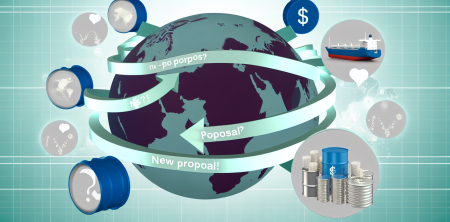
The Strait of Hormuz, a vital waterway for global oil transportation, has become a focal point of geopolitical tension in recent years, particularly between Iran and the United States. Recent developments indicate that Iran has presented a new proposal to the U.S. aimed at reopening this crucial maritime passage, which has been under strain due to a U.S. blockade. This proposal arrives at a time when oil prices and stock markets are particularly sensitive to any changes in the stability of the region.
Background: The Importance of the Strait of Hormuz
The Strait of Hormuz is a narrow sea passage connecting the Persian Gulf with the Gulf of Oman, serving as a crucial route for oil shipments worldwide. Approximately one-fifth of the world's oil consumption passes through this strait, making it a strategic chokepoint. Any disruption in this area can have significant ramifications for global energy prices and economic stability.
Current Tensions and U.S. Blockade
The relationship between Iran and the U.S. has been fraught with tension, particularly following the withdrawal of the United States from the Joint Comprehensive Plan of Action (JCPOA) in 2018. The reimposition of sanctions on Iran has led to a series of retaliatory measures from Tehran, including threats to close the Strait of Hormuz. The U.S. has responded with increased naval presence in the region and a blockade aimed at limiting Iran's oil exports.
Market Reaction
Following reports of Iran's new proposal, oil prices experienced a slight decline, while stock markets showed signs of advancement. This reaction underscores the market's acute sensitivity to developments in the Strait of Hormuz. Investors are deeply aware that prolonged instability in the region could lead to substantial increases in oil prices, which could have cascading effects on the global economy.
The Proposal: Key Elements
Details regarding Iran's proposal remain somewhat vague, but it is believed to include terms that would allow for a controlled reopening of the Strait of Hormuz under specific conditions. While the complete outline of the proposal has not been made public, analysts suggest that Iran may be seeking to ease tensions and secure its economic interests while testing the waters for a potential diplomatic engagement with the U.S.
Potential Conditions
- U.S. Sanctions Relief: Iran may be seeking some form of sanctions relief in exchange for compliance with terms that would ensure maritime security.
- Joint Naval Patrols: A proposal for joint naval patrols could be on the table, where both Iranian and U.S. forces would ensure safe passage through the strait.
- International Oversight: Involving international bodies to oversee operations in the strait could be part of the proposal, aimed at ensuring transparency and safety.
Implications for Global Energy Markets
The implications of Iran's proposal, if accepted, could be profound. A reopening of the Strait of Hormuz would not only stabilize oil prices but also restore confidence in global energy markets. Conversely, any escalation of tensions could lead to further disruptions, impacting supply chains and leading to price spikes.
Short-term and Long-term Effects
In the short term, a successful negotiation could lead to a decrease in oil prices, benefiting consumers and industries reliant on stable energy costs. Long-term, a peaceful resolution could pave the way for more comprehensive diplomatic engagements between Iran and the U.S., potentially leading to a more stable Middle East.
Political Context: U.S. Administration's Response
President Trump is set to convene a meeting in the White House Situation Room to discuss Iran's proposal, reflecting the administration's serious consideration of the situation. This meeting could determine the U.S. response and set the tone for future negotiations.
Strategic Interests
The U.S. has long viewed Iran as a destabilizing force in the Middle East. Therefore, any engagement with Tehran must carefully balance national security interests with economic considerations. The administration may need to weigh the potential economic benefits of reopening the Strait against the risks of legitimizing Iran's regional ambitions.
International Reactions
The international community is closely monitoring the situation, as any developments could affect global energy security. Countries that rely heavily on oil imports from the Gulf region, such as Japan and several European nations, have a vested interest in ensuring that the Strait of Hormuz remains open and secure.
Allies and Partners
- European Union: The EU has been advocating for diplomatic solutions to the tensions in the Gulf, supporting dialogues that could lead to de-escalation.
- Gulf Cooperation Council (GCC): GCC countries are wary of Iranian influence and may push for a hardline U.S. stance against Tehran.
- China and Russia: Both nations may view the situation as an opportunity to strengthen ties with Iran, complicating U.S. foreign policy efforts.
Conclusion: A Pivotal Moment
Iran's new proposal to reopen the Strait of Hormuz represents a pivotal moment in U.S.-Iran relations and the broader geopolitical landscape. As President Trump prepares to address this complex situation, the potential outcomes could significantly shape not only the future of energy markets but also the stability of the Middle East.
Stakeholders around the world will be watching closely, as the decisions made in the coming days could have lasting effects on global energy security and international relations.

