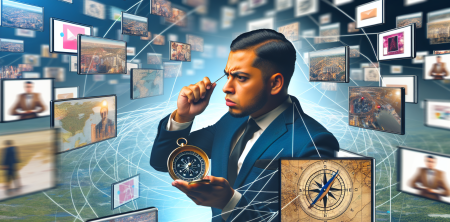
In an age where digital connectivity is at an all-time high, with consumers spending over six hours online daily, marketers are facing a perplexing challenge. The surge in screen time does not equate to improved engagement or meaningful attention. This contradiction has led to what can be termed the "marketing paradox"—a scenario where brands struggle to penetrate the overwhelming digital noise, despite having unprecedented access to a vast audience across numerous devices and platforms.
The Rise of Digital Connectivity
With the advent of smartphones, tablets, and other digital devices, consumers are more connected than ever. The average individual now spends more than six hours per day online, utilizing a variety of platforms ranging from social media to streaming services. This increased accessibility has created a fertile ground for brands to reach their target audiences.
The Promise of Engagement
In theory, more screen time should lead to enhanced engagement. Brands have access to a wealth of data, enabling them to tailor their marketing strategies to meet consumer preferences. However, the reality is starkly different. Despite the increase in online presence, the actual attention span of consumers has diminished. The paradox arises from a fundamental shift in consumer behavior—while people are spending more time online, their ability to focus on individual messages is waning.
Understanding the Digital Noise
Digital noise refers to the overwhelming amount of information consumers are bombarded with daily. This includes advertisements, social media updates, notifications, and countless other digital distractions. In such a chaotic environment, brands find it increasingly difficult to cut through the noise and capture consumer attention.
Challenges of Capturing Attention
- Information Overload: With so much content available, consumers often resort to skimming or scrolling, which means they may miss important messages.
- Declining Attention Spans: Research indicates that the average human attention span has decreased significantly, making it challenging for brands to hold consumers' focus.
- Ad Fatigue: Repeated exposure to similar advertisements can lead to ad fatigue, where consumers become desensitized to marketing messages.
- Platform Saturation: Each platform has its unique audience and content style, requiring brands to adapt their messaging, which can dilute their core message.
Shifting Marketing Strategies
In response to this paradox, marketers are fundamentally re-evaluating their strategies. The traditional approach of prioritizing broad reach is being replaced by more flexible, intent-driven methodologies. The focus is shifting from how many people a campaign reaches to how meaningfully it engages audiences in specific moments.
Intent-Driven Marketing
Intent-driven marketing emphasizes understanding consumer behavior and tailoring messages to meet their specific needs at precise moments. By leveraging data analytics and real-time indicators, brands can create more relevant and timely content. This approach allows marketers to engage consumers when they are most receptive, increasing the likelihood of meaningful interactions.
Platform-Specific Creative Content
Another essential aspect of the new marketing strategy is the development of platform-specific creative content. Each digital platform has its own unique characteristics and audience preferences, which necessitates tailored content. For instance, what works on Instagram may not resonate on LinkedIn.
Key Elements of Platform-Specific Content
- Understanding Audience Demographics: Each platform attracts different demographics, and content should cater to these variations.
- Adapting Content Format: Visual content may perform better on platforms like Instagram, while text-heavy content may be more suitable for LinkedIn.
- Engagement Driven by Interactivity: Interactive content such as polls, quizzes, and live videos can enhance engagement and capture attention.
Personalized Messaging
Personalization has become a cornerstone of effective marketing in this new landscape. Consumers expect brands to understand their preferences and deliver tailored messages that resonate with them on an individual level.
Benefits of Personalized Marketing
- Increased Relevance: Personalized messages are more likely to capture consumer interest and drive engagement.
- Enhanced Customer Experience: Tailored interactions create a more positive experience for consumers, fostering brand loyalty.
- Higher Conversion Rates: Personalized marketing has been shown to lead to higher conversion rates, as consumers are more likely to engage with content that speaks directly to them.
Real-Time Indicators
In the fast-paced digital world, real-time indicators are crucial for marketers. Monitoring consumer behavior and engagement metrics allows brands to adjust their strategies on the fly, ensuring they remain relevant and impactful.
Implementing Real-Time Strategies
- Analytics Tools: Utilizing analytics tools can help marketers track engagement metrics and understand what content resonates with their audience.
- Agility in Campaigns: Brands must be able to pivot their strategies based on real-time data to stay ahead of trends and consumer preferences.
- Feedback Loops: Establishing feedback loops with consumers can provide valuable insights into their preferences and behaviors.
Case Studies: Brands Navigating the Paradox
Many brands have successfully adapted to the marketing paradox by implementing these new strategies. Below are a few case studies that illustrate how companies have navigated the challenges of increased screen time without sacrificing engagement.
Case Study 1: Nike
Nike has long been a pioneer in marketing, and its recent campaigns reflect a keen understanding of the need for personalization and platform-specific content. By leveraging data analytics, Nike tailors its messaging to resonate with individual consumers based on their purchase history and preferences. This approach has led to increased engagement and brand loyalty.
Case Study 2: Netflix
Netflix utilizes real-time indicators to gauge viewer preferences and engagement. By analyzing viewing habits, the streaming giant can recommend content that aligns with individual tastes. This personalized approach has contributed to Netflix's success in retaining subscribers and driving engagement.
Case Study 3: Spotify
Spotify’s use of personalized playlists and recommendations has transformed the way users engage with music. By curating content based on listening history, Spotify not only enhances the user experience but also fosters a deeper connection between users and the platform.
Future Implications for Marketers
The marketing paradox created by increased screen time and diminished attention spans presents both challenges and opportunities for brands. As marketers continue to adapt their strategies, several key implications will shape the future of marketing.
Emphasis on Quality over Quantity
Moving forward, brands will need to prioritize quality engagements over sheer reach. This shift will require marketers to invest in creating meaningful content that resonates with consumers rather than simply aiming for high impression numbers.
Integration of Technology
Technological advancements, such as artificial intelligence and machine learning, will play a crucial role in helping marketers analyze consumer behavior and optimize their strategies. Embracing these technologies will enable brands to create more personalized and engaging experiences for their audiences.
A Focus on Consumer Well-being
As awareness of digital fatigue grows, brands must also consider consumer well-being in their marketing strategies. This may involve adopting more ethical marketing practices and being transparent about data usage, which can foster trust and loyalty among consumers.
Conclusion
The marketing landscape is evolving rapidly, and the paradox of increased screen time and reduced attention presents a unique challenge for brands. By shifting their strategies toward intent-driven marketing, personalized messaging, platform-specific content, and real-time engagement, marketers can successfully navigate the complexities of the digital world. As brands continue to adapt to these changes, the focus must remain on creating meaningful connections with consumers, ultimately leading to more effective marketing outcomes.

