Introduction
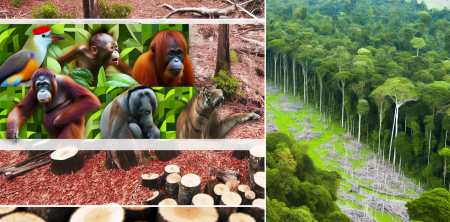
Deforestation has been a significant environmental concern worldwide, with Indonesia standing at the forefront of this crisis. Recent analysis by the Indonesian NGO Auriga Nusantara reveals alarming statistics: deforestation surged to over 430,000 hectares (approximately 1.1 million acres) in 2025, marking a staggering 66% increase from the previous year. This spike in deforestation represents levels not seen in nearly a decade and threatens to undermine the progress made in forest conservation and management.
The Context of Deforestation in Indonesia
Indonesia has long been recognized for its rich biodiversity and vast expanses of rainforest, which play a crucial role in global climate regulation. These forests are home to numerous endemic species and provide essential ecosystem services. However, the past few years have seen troubling trends that indicate a regression in the country’s commitment to preserving its forested areas.
The situation is particularly concerning as it reverses years of decline in deforestation rates achieved through various policy interventions and tighter regulatory oversight initiated since 2021. The findings of Auriga Nusantara highlight the critical juncture at which Indonesia finds itself, raising questions about the future of its forests and the global implications of continued deforestation.
Regulatory Easing Under Previous Administration
A significant factor contributing to the recent surge in deforestation is the regulatory easing that took place during the presidency of Joko Widodo. His administration implemented policies that prioritized large-scale development projects, such as food estates and infrastructure expansion, often at the expense of Indonesia's remaining forests.
Many of these projects involved the conversion of untouched habitats into agricultural lands or urban developments, leading to increased fragmentation of ecosystems. This land-use pattern has raised concerns among environmentalists, who argue that such practices not only threaten biodiversity but also exacerbate climate change by releasing stored carbon dioxide from trees and soil.
Current Administration's Continuation of Policies
The current administration has continued along a similar trajectory, further perpetuating the cycle of deforestation. The ongoing emphasis on economic growth and development has resulted in policies that align with the interests of powerful corporate entities, often sidelining environmental considerations.
As a consequence, Indonesia is at risk of becoming the world’s largest tropical deforester, a title that would have severe implications for global biodiversity and climate stability. The implications of such a shift are not limited to Indonesia alone; the effects would resonate throughout the planet.
Drivers of Deforestation
Several key drivers contribute to the alarming rates of deforestation in Indonesia. Understanding these factors is essential for devising effective strategies to combat the ongoing crisis.
- Agricultural Expansion: Large-scale agricultural projects, particularly for palm oil and other cash crops, are among the primary contributors to deforestation. The demand for these products continues to rise, incentivizing land conversion.
- Infrastructure Development: The expansion of infrastructure, including roads and energy projects, often leads to the encroachment of forested areas. These developments facilitate access to previously remote areas, making them more susceptible to logging and agricultural conversion.
- Illegal Logging: Despite efforts to curb illegal logging activities, they persist as a significant problem. Corruption and lack of enforcement often undermine regulations designed to protect forested areas.
- Fire and Land Clearing: The use of fire for land clearing remains a common practice, contributing to both deforestation and air pollution. This method is particularly prevalent in the palm oil sector.
Impact on Biodiversity
The rapid loss of forests in Indonesia has dire consequences for biodiversity. Home to over 17,000 species of plants and animals, including critically endangered species such as the Sumatran orangutan and Javan rhinoceros, Indonesia's rainforests are vital for maintaining global biodiversity.
As habitats are destroyed or fragmented, species face increased threats of extinction. The loss of biodiversity not only disrupts ecosystems but also undermines the resilience of these systems to adapt to climate change. Furthermore, the extinction of species can disrupt ecological balance, leading to unforeseen consequences.
Social Implications for Indigenous Communities
Deforestation in Indonesia does not solely affect wildlife and ecosystems; it also disproportionately impacts indigenous communities that rely on forests for their livelihoods. Many of these communities have lived in harmony with their natural environment for generations, drawing on the resources provided by the forests for food, shelter, and cultural practices.
As forests are cleared, indigenous people often find themselves displaced or marginalized, losing access to essential resources. This displacement not only threatens their economic stability but also erodes their cultural heritage and identity.
Climate Change Consequences
The implications of deforestation extend far beyond local ecosystems and communities. Indonesia's forests play a critical role in global climate regulation, acting as significant carbon sinks. When these forests are destroyed, the carbon stored in trees and soil is released into the atmosphere, contributing to global warming.
In fact, deforestation is one of the leading causes of greenhouse gas emissions in Indonesia, making it a key player in the global fight against climate change. If current trends continue, Indonesia's contribution to global emissions could drastically increase, undermining international climate agreements and efforts to mitigate climate change.
Efforts Toward Conservation and Restoration
In response to the escalating crisis, various conservation initiatives have emerged, aimed at reversing the trend of deforestation in Indonesia. These efforts involve collaboration between government agencies, non-governmental organizations, and local communities to promote sustainable land management practices.
One notable initiative is the One Map Policy, which seeks to create a unified land-use map to resolve conflicts over land use and ensure that conservation areas are protected. Additionally, reforestation projects aim to restore degraded lands and enhance biodiversity.
International partnerships and funding also play a crucial role in supporting conservation efforts. Programs aimed at promoting sustainable palm oil production, for instance, have garnered attention as a potential solution to balance economic development with environmental protection.
The Role of International Community
The challenge of deforestation in Indonesia is not one that can be tackled by the nation alone. The international community plays a vital role in addressing the issue, primarily through the demand for sustainable products and support for conservation initiatives.
Consumer awareness and responsible purchasing decisions can influence corporate practices, encouraging companies to adopt sustainable sourcing methods. Furthermore, international funding and technical assistance can bolster Indonesia's efforts to implement effective conservation strategies.
Conclusion
As Indonesia grapples with the alarming surge in deforestation, the stakes have never been higher. The potential consequences of inaction extend beyond national borders, threatening global biodiversity and climate stability. It is imperative that both the Indonesian government and the international community work together to reverse this trend and safeguard the country's invaluable forests.
Through concerted efforts, innovative policies, and a commitment to sustainable development, there remains hope for Indonesia to reclaim its position as a global leader in forest conservation. The time to act is now, for the future of Indonesia's forests—and the planet—depends on it.

