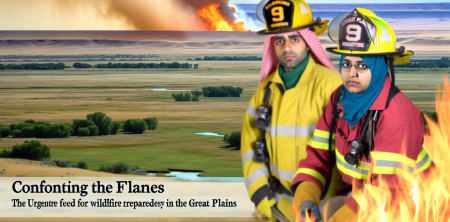
In the early months of 2026, the Great Plains faced an unprecedented environmental crisis as wildfires ravaged over a million acres across Nebraska, Kansas, and Oklahoma. Once known for its vast grasslands and agricultural richness, the region has become a battleground against the devastating effects of climate change, land mismanagement, and increasingly severe weather conditions. The wildfires, fueled by high winds, low humidity, and prolonged drought, have left a trail of destruction, obliterating grazing pastures, cropland, homes, and essential farm structures.
The Scale of the Disaster
Nebraska bore the brunt of this catastrophe, with more than 800,000 acres ravaged by flames, setting a state record for wildfire damage. Among the most significant incidents was the mid-March Morrill Fire, which alone claimed over 600,000 acres. This fire exemplified the ferocity of the blazes that swept through the region, highlighting the urgent need for proactive measures to mitigate future wildfire risks. Just a week later, another outbreak in Nebraska burned over 9,000 acres, further underscoring the ongoing threat.
Impact on Communities and Agriculture
The ramifications of these wildfires extend far beyond the immediate destruction of land. The agricultural sector, already strained by fluctuating weather patterns, faces profound challenges. Grazing pastures that support livestock are diminished, jeopardizing food supply chains and local economies. Farmers and ranchers, many of whom have invested their livelihoods into the land, find themselves grappling with the loss of essential resources.
- Loss of Grazing Land: The destruction of pastures means a direct impact on livestock, leading to increased feed costs and potential loss of income.
- Cropland Destruction: Fires destroy crops, affecting not only the immediate yield but also the long-term sustainability of farming practices.
- Community Displacement: Homes and farm structures lost to fire displace families, leading to emotional and financial turmoil.
Climate Conditions Fueling the Fires
The wildfires are symptomatic of broader environmental issues, particularly climate change. The Great Plains, characterized by its unique ecology, is experiencing shifts that have made it more susceptible to wildfires. High winds and low humidity create the perfect storm for fires to ignite and spread rapidly, while drought conditions exacerbate the situation.
Understanding Drought and Fire Behavior
Drought conditions contribute significantly to the frequency and intensity of wildfires. When vegetation dries out, it becomes highly flammable. As temperatures rise and humidity drops, the likelihood of fires igniting increases drastically. Experts warn that the current climatic trends are not merely an anomaly but a harbinger of more severe weather patterns to come.
Reevaluating Prevention Methods
In light of these devastating events, experts are calling for a comprehensive reevaluation of wildfire prevention strategies. Traditional methods of fire management may no longer suffice in the face of evolving climatic conditions. Landowners and governmental agencies must collaborate to develop innovative solutions to mitigate fire risks.
Creating Effective Emergency Plans
One of the key strategies emphasized by experts is the development of robust emergency plans. These plans should encompass:
- Risk Assessments: Identifying high-risk areas and understanding local fire behavior can help in prioritizing resources.
- Community Training: Educating community members on fire safety and evacuation procedures is crucial.
- Evacuation Routes: Clear and accessible routes must be established to facilitate safe evacuation during emergencies.
Funding Disaster Response Initiatives
Another critical aspect of wildfire preparedness is the need for adequate funding for disaster response initiatives. Increased financial support can enable firefighting agencies to:
- Enhance Equipment: Investing in advanced firefighting technologies can improve response times and efficiency.
- Recruit Personnel: Hiring additional firefighting staff can bolster community preparedness efforts.
- Conduct Controlled Burns: Implementing prescribed burns can reduce the fuel load in high-risk areas, minimizing the potential for future fires.
Community Engagement and Collaboration
Community engagement is essential in the fight against wildfires. Local residents, agricultural organizations, and government agencies must work collaboratively to address the challenges posed by wildfires. This collaboration can take various forms, including:
- Local Fire Councils: Establishing councils allows communities to come together, share resources, and develop localized prevention strategies.
- Workshops and Training Sessions: Providing education on fire prevention techniques and emergency response can empower residents.
- Resource Sharing: Communities can pool resources for firefighting equipment and personnel, enhancing overall preparedness.
The Role of Policy and Legislation
Effective policy and legislation play integral roles in wildfire prevention and management. Policymakers must prioritize funding for wildfire preparedness and response initiatives. They should also advocate for sustainable land management practices that reduce fire risks.
Legislative Actions Required
Key legislative actions that can aid in wildfire preparedness include:
- Incentives for Landowners: Financial incentives for landowners who implement fire-safe practices can encourage responsible land management.
- Investment in Research: Funding research into fire behavior and prevention techniques can lead to innovative solutions.
- Community Resilience Programs: Supporting programs that enhance community resilience to wildfires can help mitigate impacts.
Looking Ahead: A Call to Action
As the Great Plains continue to face the threat of wildfires, it is imperative for communities, landowners, and government officials to take action. The recent devastation serves as a stark reminder of the realities of climate change and the increasing frequency of extreme weather events. Experts urge a proactive approach, emphasizing the importance of preparedness, collaboration, and sustainable practices.
Conclusion
In summary, the wildfires that scorched the Great Plains in early 2026 highlight the increasing vulnerability of the region to climate-related disasters. With over a million acres burned, the impact on agriculture, communities, and local economies is profound. However, by reevaluating prevention methods, developing comprehensive emergency plans, and fostering community collaboration, there is hope for a more resilient future. The lessons learned from this crisis must not be forgotten; they should serve as a catalyst for change in how we approach wildfire management and preparedness in the years to come.

