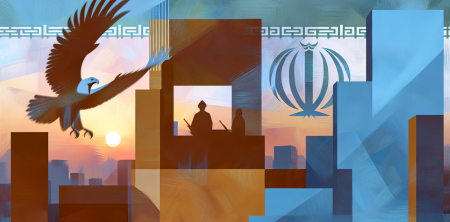
The ongoing geopolitical tensions between Iran, the United States, and Israel have reached a critical point, with Iranian military officials asserting that the conflict is far from over. This proclamation comes in the wake of former U.S. President Donald Trump’s recent claims of victory against Tehran, a statement that has been met with skepticism by Iranian authorities.
Iran's Military Posture: A Unified Front
In a recent statement, Iranian Army spokesperson Mohammad Akrami Nia emphasized that the war with the United States and Israel remains unresolved. Despite a temporary ceasefire, he remarked, “There is no trust in America and our enemies.” This declaration underscores Iran’s ongoing military readiness and its strategic intentions in the region.
Updating Military Target Databases
Akrami Nia revealed that Iran has been actively updating its target database during the ceasefire period, indicating preparations for potential future strikes. This proactive stance suggests that Iran is not merely biding its time but is instead positioning itself for further military engagement should the situation require it.
Coordination Between Military Branches
The spokesperson also noted a significant increase in coordination between Iran's regular army and the Islamic Revolutionary Guard Corps (IRGC). This development highlights a more unified military posture, which could have serious implications for both regional stability and international relations.
Context of Tensions
The backdrop to these statements involves a series of events that have escalated tensions between Iran and the U.S. and Israel over the past several years. Following the U.S. withdrawal from the nuclear deal in 2018, relations soured, leading to a series of confrontations and retaliatory actions between Iran and its adversaries.
Trump's Claims of Victory
In a recent address, Donald Trump asserted that his administration had achieved a significant victory against Iran, citing the crippling sanctions and military pressure imposed during his presidency. However, this assertion is met with skepticism by Iranian officials who view it as a misrepresentation of the ongoing struggle.
The Iranian Perspective
From Tehran's perspective, the notion of victory claimed by Trump is not reflective of the realities on the ground. Iranian leaders argue that their military capabilities have only strengthened in the face of external pressures. Moreover, the claim of victory ignores the resilience of Iranian institutions and the country’s ability to adapt to sanctions and military threats.
Public Sentiment in Iran
Public sentiment in Iran has been shaped by years of conflict and confrontation with the West. Many Iranians view the military as a critical component of national identity and sovereignty. The continuous updates to military targets and the emphasis on unity between the army and the IRGC resonate with a populace that values strength and resilience.
The Role of the IRGC
The IRGC plays a central role in Iran's military strategy, often acting independently of conventional military forces. Its involvement in regional conflicts, including in Iraq, Syria, and Yemen, has been pivotal in projecting Iranian influence across the Middle East.
Strategic Objectives
Iran's strategic objectives include countering U.S. influence in the region, supporting allied militant groups, and ensuring the security of its borders. The IRGC's coordination with the regular army indicates a comprehensive approach to addressing these objectives, especially in light of perceived threats from both the U.S. and Israel.
Implications for Regional Stability
The ongoing tensions and military preparations by Iran raise critical questions about regional stability. As Iran continues to assert its military readiness, neighboring countries and global powers must consider the potential for escalations that could lead to broader conflicts.
The International Community's Response
The international community remains watchful of the situation. Diplomatic efforts aimed at de-escalating tensions have been complicated by Iran's military posturing and the U.S.'s commitment to maintaining pressure on Tehran. The situation remains delicate, with both sides navigating a complex web of alliances, enmities, and geopolitical interests.
Conclusion
As Iran declares that the war is not over, the implications for U.S. and Israeli foreign policy are significant. The combination of a unified military stance and updated military strategies demonstrates Iran's commitment to maintaining its influence and sovereignty in a challenging geopolitical landscape. With tensions still high, the potential for future confrontations remains a pressing concern for policymakers and analysts alike.

