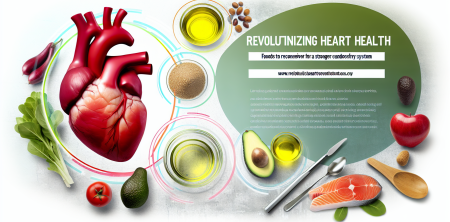
When it comes to maintaining heart health, diet plays a crucial role. While many people are aware of the importance of eating fruits, vegetables, and whole grains, there are certain foods that are often limited or avoided without a true understanding of their impact on cardiovascular health. In this article, we will explore the insights of a leading cardiologist, Dr. Rambhatla, who sheds light on common dietary misconceptions and offers valuable alternatives to promote heart health.
The Role of Diet in Heart Health
Heart disease remains one of the leading causes of death worldwide, emphasizing the need for individuals to take charge of their cardiovascular health through informed dietary choices. The foods we consume can either support or hinder our heart health, making it essential to understand which items may be detrimental and which can be beneficial.
Processed Meats: A Hidden Danger
Processed meats, such as bacon, sausages, and deli meats, are often staples in many diets, but they come with a host of health risks. Dr. Rambhatla highlights that these meats are typically high in sodium, saturated fats, and preservatives, all of which have been linked to increased blood pressure and higher cholesterol levels.
- Sodium: Processed meats contain significant amounts of sodium, which can lead to hypertension, a major risk factor for heart disease.
- Saturated Fats: These fats can raise LDL (bad) cholesterol levels, increasing the risk of heart disease.
- Preservatives: Many processed meats contain nitrates and nitrites, which have been associated with various health issues, including an increased risk of certain cancers.
For those who enjoy the taste of meat, Dr. Rambhatla recommends opting for lean, unprocessed alternatives such as chicken, turkey, or fish. These options provide essential proteins while being lower in harmful ingredients.
Fatty Cuts of Meat: Balancing Flavor with Health
While red meats can be enjoyed in moderation, choosing fatty cuts such as ribeye or T-bone steak can be problematic for heart health. Dr. Rambhatla advises limiting these types of meats due to their high saturated fat content, which can exacerbate arterial plaque buildup.
- Lean Cuts: If you’re a meat lover, consider lean cuts like sirloin or tenderloin, which offer protein without the added saturated fat.
- Fish: Incorporating fatty fish like salmon or mackerel can provide healthy omega-3 fatty acids, which are beneficial for heart health.
By selecting healthier protein sources, individuals can still enjoy flavorful meals without compromising their cardiovascular health.
Creamy Dressings: A Salad’s Worst Enemy
Salads are often perceived as a healthy meal choice, but the dressing can make or break their nutritional value. Dr. Rambhatla warns that heavy, creamy dressings can be deceptively high in calories and unhealthy ingredients, potentially rendering a salad less healthy than a cheeseburger.
- Calories: Creamy dressings can add hundreds of calories to a salad, negating its health benefits.
- Processed Ingredients: Many commercial dressings contain added sugars, unhealthy fats, and preservatives.
Instead of drowning salads in calorie-laden dressings, Dr. Rambhatla suggests healthier alternatives:
- Vinaigrettes: Opt for homemade vinaigrettes using olive oil and vinegar, which can enhance flavor without excessive calories.
- Yogurt-Based Dressings: These can provide creaminess without the heavy calorie burden, offering a healthier option.
- Fresh Herbs: Enhance flavor with fresh herbs or citrus juices for a refreshing twist.
With these alternatives, salads can remain a cornerstone of a heart-healthy diet.
Navigating Dietary Choices for Optimal Heart Health
Making informed dietary choices is essential for maintaining heart health. By understanding the impact of certain foods, individuals can take proactive steps to support their cardiovascular systems.
Incorporating Whole Foods
Whole foods, such as fruits, vegetables, whole grains, and legumes, should form the backbone of a heart-healthy diet. These foods are typically lower in calories and higher in essential nutrients, making them beneficial for overall health.
- Fruits and Vegetables: Aim for a variety of colors and types to ensure a broad spectrum of vitamins and minerals.
- Whole Grains: Choose whole grains like brown rice, quinoa, and whole wheat bread instead of refined grains.
- Legumes: Beans and lentils are excellent sources of protein and fiber, which can help lower cholesterol levels.
Incorporating these foods can help reduce the risk factors associated with heart disease while promoting overall well-being.
Understanding Portion Sizes
Even when consuming healthy foods, portion sizes play a crucial role in maintaining a balanced diet. Dr. Rambhatla emphasizes the importance of moderation, as overeating—even healthy foods—can lead to weight gain and associated health issues.
- Mindful Eating: Practice mindful eating by paying attention to hunger cues and eating slowly.
- Serving Sizes: Familiarize yourself with standard serving sizes to avoid excessive caloric intake.
By being mindful about portion sizes, individuals can enjoy their favorite foods while still supporting their heart health.
Healthy Snacking: A Heart-Smart Approach
Snacking can be a significant contributor to daily caloric intake, and choosing the right snacks is essential for heart health. Dr. Rambhatla advises selecting snacks that are nutrient-dense and satisfying.
- Nuts: A small handful of unsalted nuts can provide healthy fats and protein.
- Fruits: Fresh fruits or dried fruits without added sugars make for a great on-the-go snack.
- Vegetable Sticks: Pair raw veggies with hummus or a healthy dip for a crunchy and satisfying option.
By opting for heart-healthy snacks, individuals can keep their energy levels up throughout the day without compromising their health.
Hydration: The Overlooked Aspect of Heart Health
Hydration is often an overlooked aspect of a heart-healthy lifestyle. Dr. Rambhatla emphasizes the importance of drinking enough water, as dehydration can lead to increased blood pressure and heart strain.
- Water Intake: Aim to drink at least eight 8-ounce glasses of water daily, adjusting for activity level and climate.
- Avoid Sugary Drinks: Limit consumption of sugary beverages, which can contribute to weight gain and increased risk of heart disease.
Staying well-hydrated supports overall bodily functions and helps maintain optimal heart health.
Conclusion: Empowering Your Heart Health Journey
In conclusion, the foods we consume have a profound impact on our heart health. By understanding which foods to limit and which healthier alternatives to embrace, individuals can take significant steps towards reducing their risk of heart disease. Dr. Rambhatla's insights serve as an invaluable guide, allowing people to make informed dietary choices that empower them on their journey towards better cardiovascular health.
Through mindful eating, incorporating whole foods, and staying hydrated, anyone can foster a heart-healthy lifestyle. It is never too late to make positive changes, and the benefits of adopting healthier eating habits will be felt both physically and emotionally.

