Introduction
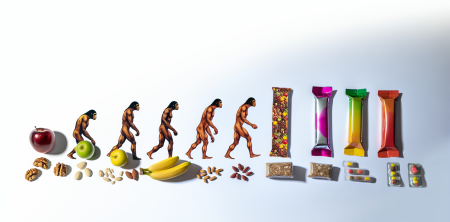
The landscape of snacking is undergoing a significant transformation. As consumers become more discerning about their dietary choices, the definition of what constitutes a "healthy" snack is continuously evolving. Gone are the days when snack makers focused solely on reducing sugar and salt; today’s innovators are diving deeper into the realms of flavor, texture, and overall sensory experience.
Redefining Healthy: From Reduction to Positive Nutrition
Traditionally, the term "healthy" often implied that products were lower in sugar, fat, and salt. However, recent trends indicate a shift towards incorporating more positive nutrients into snack formulations. This includes ingredients rich in fiber, protein, whole grains, and plant-based components. As consumers increasingly seek snacks that not only satisfy their hunger but also contribute positively to their health, manufacturers are adapting their strategies accordingly.
The Role of Fiber and Protein
Fiber and protein are two essential components that have gained prominence in the realm of better-for-you snacking. Snacks high in fiber can aid in digestion and promote a feeling of fullness, while protein is crucial for muscle repair and satiety. Snack brands are now formulating products that include these beneficial nutrients, appealing to health-conscious consumers who prioritize their dietary intake.
Whole Grains and Plant-Based Ingredients
Whole grains are another key focus for snack manufacturers. Products made with whole grains offer additional nutrients compared to their refined counterparts, such as B vitamins, antioxidants, and minerals. Similarly, the demand for plant-based ingredients has surged, reflecting a broader trend toward veganism and plant-forward diets. Brands are now incorporating legumes, nuts, seeds, and other plant-derived ingredients into their snacks to cater to this growing demographic.
The Importance of Flavor and Texture
In response to the evolving definition of health, snack makers are now honing in on flavor and texture as critical components of their products. The challenge lies in creating snacks that are both healthy and indulgent, particularly as sugar, fat, and salt content are reduced. Achieving a satisfying taste experience is paramount; hence, brands are experimenting with various techniques to enhance flavors and textures.
Texture as a Sensory Experience
Texture plays a vital role in the overall enjoyment of a snack. Consumers are looking for multi-dimensional experiences that engage their senses. Crunchy, chewy, and creamy textures can significantly elevate the eating experience, making snacks more enjoyable. This has led to innovations in product development, where manufacturers are combining different textures within a single product to create a more satisfying experience.
Intense Flavors to Compensate for Reduction
To compensate for the reduction of sugars and fats, brands are turning to intense flavors that can provide a sense of indulgence without the extra calories. Bold spices, zesty seasonings, and unique flavor combinations are becoming increasingly popular. Consumers are eager to explore new taste sensations, and snack makers are responding by pushing the boundaries of traditional flavor profiles.
Creating a Full Sensory Appeal
The current generation of snackers is not just looking for something to munch on; they are in search of a complete sensory experience. This means that snacks must not only taste good but also look appealing, smell enticing, and feel satisfying to the bite. The multi-sensory experience is becoming a critical factor in consumer decision-making.
Visual Appeal
Aesthetics play an important role in snacking. Bright colors, interesting shapes, and appealing packaging can attract consumers' attention and influence their choices. Brands are investing in eye-catching designs and unique presentations to differentiate their products in a crowded market.
Smell and Aroma
The aroma of a snack can evoke emotions and memories, greatly influencing the overall eating experience. Snack makers are now considering how their products smell, ensuring that the scent complements the flavor and enhances the sensory appeal. A delicious aroma can draw consumers in and make the act of snacking more pleasurable.
The Shift in Consumer Expectations
As the definition of healthy snacking evolves, so do consumer expectations. Today’s snackers are well-informed and often seek out products that align with their nutritional goals without sacrificing enjoyment. This has led to a shift in purchasing behavior, where repeat purchases are now more closely linked to the overall eating experience rather than just health claims.
Experience Over Claims
Consumers are becoming more skeptical of health claims made on packaging. Instead of merely relying on labels that boast low sugar or fat, they are looking for snacks that deliver a pleasurable eating experience. This means that products must be delicious, satisfying, and enjoyable to consume. Snack brands must focus on building trust through transparency and authenticity rather than solely relying on marketing gimmicks.
Innovation in Product Development
The shift in consumer expectations has prompted snack makers to innovate rapidly. Many brands are now investing in research and development to create snacks that not only meet health criteria but also deliver exceptional taste and texture. This focus on innovation is vital for staying competitive in an ever-evolving market.
Conclusion
The snacking industry is in the midst of a transformation, driven by changing consumer preferences and a redefined understanding of what constitutes a healthy snack. As manufacturers adapt their products to prioritize flavor, texture, and nutritional benefits, the emphasis is shifting towards creating enjoyable eating experiences. With a focus on fiber, protein, whole grains, and plant-based ingredients, the future of snacking is bright, promising a satisfying balance of health and indulgence.
Future Trends in Healthy Snacking
As we look ahead, several trends are likely to shape the future of healthy snacking:
- Personalization: With advancements in technology, consumers may begin to expect personalized snack options tailored to their specific dietary needs and preferences.
- Functional Ingredients: The incorporation of functional ingredients, like probiotics and adaptogens, will likely gain traction as consumers seek snacks that offer additional health benefits.
- Sustainability: As awareness of environmental issues increases, consumers may prioritize snacks that are sustainably sourced and packaged.
- Global Flavors: The exploration of international flavors will continue to rise, with consumers seeking new and exciting taste experiences from around the world.
- Transparency and Clean Labels: Brands that prioritize transparency in their ingredient sourcing and manufacturing processes will likely gain a competitive edge.
In conclusion, the evolution of healthy snacking is a reflection of changing consumer preferences and the growing demand for products that are both nutritious and enjoyable. As snack makers continue to innovate and adapt to these trends, the market will undoubtedly see a surge in creativity and variety, paving the way for a new era of snacking that satisfies both health and indulgence.

