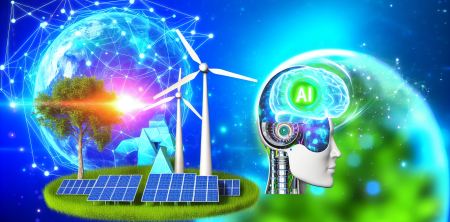
As the world grapples with the escalating impacts of climate change, a revolutionary force is emerging on the horizon, poised to transform the landscape of sustainable energy solutions. The AI in sustainable energy movement is not just a passing trend; it represents a seismic shift in how we harness technology to tackle one of humanity's greatest challenges. In the latest issue of the AISES Journal, the critical intersection of artificial intelligence and sustainable energy is explored in depth, revealing groundbreaking applications that could redefine our approach to environmental stewardship.
Understanding the Intersection of AI and Sustainable Energy
Artificial intelligence has rapidly evolved over the past decade, finding applications in numerous sectors, from healthcare to finance. However, its potential in the realm of energy management and environmental monitoring is particularly compelling. As highlighted by Editor-in-Chief Mohammad Hossein in the AISES Journal (2026, Volume 1, Number 2), innovative AI models are now being developed to optimize renewable energy grids, reduce greenhouse gas emissions, and enhance environmental monitoring capabilities.
AI Models Revolutionizing Renewable Energy Grids
One of the most promising applications of AI in sustainable energy is the optimization of renewable energy grids. These models leverage vast amounts of data generated by energy production and consumption patterns, enabling more efficient grid management. For instance, AI algorithms can predict energy demand based on historical usage, weather patterns, and even social behavior, leading to better allocation of resources.
- Efficiency Gains: Studies suggest that integrating AI in energy forecasting can yield efficiency improvements ranging from 30% to 50%.
- Dynamic Load Balancing: AI systems can dynamically balance load across different sources of energy, which is particularly crucial when integrating fluctuating renewable resources like solar and wind.
- Predictive Maintenance: By analyzing data from sensors on energy infrastructure, AI can predict failures before they occur, reducing downtime and maintenance costs.
This capability not only maximizes the use of clean energy sources but also minimizes reliance on fossil fuels, directly contributing to emission reduction efforts worldwide.
Improving Environmental Monitoring with AI
Another significant application discussed in the journal is the use of AI for enhancing environmental monitoring. As we face unprecedented levels of pollution and habitat destruction, AI technologies can play a key role in tracking and analyzing environmental data.
- Real-Time Data Analysis: AI algorithms can process vast datasets from satellite imagery and environmental sensors, allowing for real-time monitoring of air and water quality.
- Ecological Impact Assessment: Machine learning can help assess the impacts of human activities on ecosystems, identifying areas most at risk.
- Predictive Analytics: By forecasting environmental changes, AI can help policymakers implement proactive measures to protect vulnerable areas.
The ability to monitor the environment in real time can empower communities and governments to take swift action against pollution and habitat loss, effectively using AI as a tool for conservation.
The Counterintuitive Fusion of AI and Green Technology
Interestingly, the emergence of AI technologies in sustainable energy solutions presents a paradox. While AI systems are often resource-intensive, requiring substantial computational power and energy to operate, their application in the energy sector could lead to substantial net gains in efficiency and sustainability. This counterintuitive fusion of technology and green initiatives sparks both excitement and concern.
As this evolving field expands, the potential for AI to facilitate the transition to a more sustainable energy future becomes increasingly evident. However, it is essential to balance the development of these technologies with sustainability goals to ensure that the solutions we implement do not exacerbate the very problems we seek to solve.
Statistics That Highlight the Impact of AI in Energy Solutions
The statistics surrounding the implementation of AI in sustainable energy are nothing short of astounding. According to industry analyses, the following figures illustrate the transformative potential of AI:
- 30-50% Improvement: Energy forecasting accuracy can improve by this staggering margin through AI integration.
- 50% Reduction in Emissions: AI-driven optimizations in production and consumption patterns could lead to significant reductions in greenhouse gases.
- 70% More Efficient Grid Management: With AI, the management of energy systems can become considerably more efficient, minimizing waste and maximizing the use of renewable sources.
These figures provide a compelling argument for investing in AI technologies as a means to combat climate change and promote sustainable practices.
Challenges and Considerations for the Future
While the potential benefits of AI in sustainable energy are promising, several challenges must be addressed for these technologies to reach their full potential. Key considerations include:
- Resource Consumption: AI systems can be energy-intensive, raising concerns about their actual sustainability.
- Data Privacy: The extensive data collection required for AI systems can lead to privacy concerns, particularly regarding personal information.
- Equity and Accessibility: Ensuring that the benefits of AI in energy are accessible to all communities, particularly underserved ones, is crucial for equitable progress.
Addressing these challenges will require collaboration among stakeholders, including governments, tech companies, and civil society, to create frameworks that promote responsible and inclusive AI adoption.
The Future of AI in Sustainable Energy
As we look to the future, the role of AI in sustainable energy is set to expand dramatically. With ongoing advancements in machine learning, data analytics, and IoT technologies, the potential applications are virtually limitless. Here are some anticipated trends:
- Enhanced Energy Storage Solutions: AI could play a pivotal role in optimizing energy storage systems, improving battery efficiency and longevity.
- Smart Cities: The integration of AI in urban planning can lead to smarter energy usage in cities, reducing overall consumption and promoting sustainability.
- Decentralized Energy Systems: AI may facilitate the rise of decentralized energy production models, empowering communities to generate and manage their own energy sources.
These trends signify a significant paradigm shift toward a future where AI and sustainable energy work in tandem to address the pressing challenges of our time.
Conclusion: Embracing the Power of AI
In conclusion, the applications of AI in sustainable energy represent a beacon of hope in our fight against climate change. As highlighted by the AISES Journal, the innovations being developed are not merely theoretical; they are practical, implementable solutions that have the potential to yield substantial benefits for both the environment and society as a whole.
While challenges remain, the continued exploration of the synergy between AI and sustainable practices invites a future ripe with possibility. As we embrace these technologies, it is imperative that we remain vigilant in ensuring they are used responsibly, equitably, and sustainably. Only then can we truly harness the power of AI to foster a greener, more sustainable planet for generations to come.

