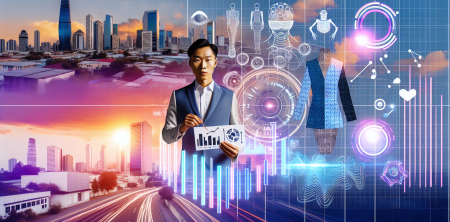
In the ever-evolving world of luxury fashion, a seismic shift is underway, driven by the rapid integration of technology. AI fashion forecasting is not just a buzzword; it represents a game-changing approach that is revolutionizing how brands predict consumer behavior and forecast trends. By 2026, AI will have reshaped the landscape of luxury fashion, allowing brands to stay ahead of the curve and strategically align their offerings with emerging aesthetics.
The Rise of AI in Fashion Forecasting
Traditionally, fashion forecasting relied heavily on intuition, seasonal trends, and the expertise of a select few industry insiders. However, the advent of artificial intelligence has introduced a new era of data-driven decision-making. AI systems can analyze vast datasets, sifting through social media trends, online shopping behaviors, and even the nuances of consumer sentiment. This capability not only identifies recurring aesthetics, colors, and silhouettes but also allows brands to anticipate trends before they fully emerge.
Understanding Consumer Behavior Through Data
At the heart of AI fashion forecasting lies the ability to decode consumer behavior. By leveraging machine learning algorithms, luxury brands can amass and analyze data from various sources. This includes:
- Social Media Insights: Platforms like Instagram and TikTok are treasure troves of information, where trends often originate. AI tools can track hashtags, engagement rates, and visual preferences to identify what styles are resonating with audiences.
- Sales Data Analysis: Examining past sales figures allows brands to understand which items performed well and which did not. AI can pinpoint patterns in purchasing behavior, helping brands make informed predictions for future collections.
- Style Predictions: By evaluating global fashion weeks, celebrity wardrobes, and influencers, AI can forecast which styles are likely to dominate in upcoming seasons.
The Nostalgia Factor: A Powerful Trend
One of the most fascinating aspects of AI fashion forecasting is its ability to accelerate the revival of nostalgia-based aesthetics. As consumers increasingly gravitate towards styles reminiscent of past decades, AI has identified a strong trend towards:
- 90s Embellished Jeans: These denim staples, characterized by their intricate designs and embellishments, are making a comeback. AI has noted a resurgence in searches and social media mentions of these items, prompting brands to reintroduce them into their collections.
- Y2K-Inspired Silhouettes: The early 2000s aesthetic, with its vibrant colors and playful designs, is captivating a new generation of consumers. AI is helping brands fine-tune their offerings to include these nostalgic pieces that resonate deeply with millennial and Gen Z shoppers.
- Retro Sneaker Culture: Sneakers that harken back to past decades have gained immense popularity. AI analysis shows that certain styles are trending upward, prompting luxury brands to collaborate with classic sneaker companies.
Strategically Scaling Production
The predictive capabilities of AI fashion forecasting allow luxury brands to scale their production strategically. By understanding when a trend is likely to peak, brands can ramp up production in anticipation of consumer demand, minimizing the risks associated with overproduction and excess inventory.
This methodology not only enhances operational efficiency but also ensures that brands can offer the right products at the right time, capturing consumer interest while fostering a sense of urgency. As a result, customers experience a heightened sense of FOMO (fear of missing out), further driving demand for these AI-forecasted styles.
Impact on Runway Releases and Celebrity Styling
The integration of AI into fashion forecasting processes is also reshaping runway shows and celebrity styling. Designers are increasingly using AI-generated insights to inform their collections, leading to more targeted and relevant offerings. This shift is evident in several key areas:
- Runway Releases: With AI's ability to predict trending colors and styles, designers are crafting collections that align with consumer desires, ensuring that runway shows are not just artistic expressions but also commercially viable.
- Celebrity Styling: Celebrities often set trends, and AI tools are helping stylists curate looks that reflect both current trends and timeless style. By analyzing what resonates with audiences, AI is enabling stylists to dress their clients in ways that maximize visibility and engagement.
The Intersection of Technology and Emotion
The compelling nature of AI fashion forecasting lies in its ability to disrupt traditional fashion gatekeeping while also tapping into emotional resonance. Nostalgia-based trends evoke powerful feelings, and AI is helping brands harness this emotional connection to their advantage.
As consumers seek to express their identities through fashion, the revival of nostalgic styles offers a familiar comfort. The intersection of cutting-edge technology and the emotional weight of nostalgia creates a perfect storm for consumer engagement, driving interest and sales in ways that traditional forecasting models cannot match.
Creating a Buzz: Engaging Consumers Through AI-Powered Insights
The fusion of AI technology with fashion forecasting is generating significant engagement among fashion enthusiasts and industry professionals alike. As brands actively share insights into which AI-predicted trends will dominate, a buzz is created that fuels consumer curiosity and excitement.
Furthermore, brands are increasingly utilizing digital channels to communicate their forecasts and engage with their audiences. This includes:
- Social Media Campaigns: By sharing AI-driven insights and predictions on platforms like Instagram and TikTok, brands can create a sense of anticipation and excitement around upcoming collections.
- Email Newsletters: Targeted email campaigns can provide subscribers with exclusive previews of AI-forecasted trends, making them feel special and in-the-know.
- Virtual Fashion Shows: Hosting virtual events allows brands to showcase their collections while simultaneously discussing the AI insights that informed their designs, thereby educating consumers in the process.
Challenges and Considerations in AI Fashion Forecasting
While the benefits of AI fashion forecasting are clear, there are also challenges and ethical considerations that brands must navigate. These include:
- Data Privacy: As AI systems rely on consumer data to make predictions, brands must prioritize data privacy and ensure transparency in their data collection practices.
- Over-Reliance on Technology: While AI provides valuable insights, brands must remain vigilant to not become overly reliant on technology at the expense of human creativity and intuition, which are also essential in fashion design.
- Market Saturation: As more brands adopt AI forecasting, the market could become flooded with similar styles, leading to a dilution of uniqueness and creativity.
The Future of Fashion: Embracing AI
As we look ahead to 2026 and beyond, it is clear that AI fashion forecasting will continue to play a pivotal role in shaping the luxury fashion landscape. Brands that embrace this technology will have a competitive edge, allowing them to cater to consumer desires with precision and agility.
Moreover, as AI becomes more sophisticated, we can anticipate even more nuanced predictions that reflect the evolving tastes of consumers. Fashion houses will not only rely on historical data but will also harness real-time insights to stay ahead of trends.
Conclusion: The Transformation of Luxury Fashion
In conclusion, the integration of AI in fashion forecasting is not just a trend; it represents a profound transformation in the luxury fashion industry. By leveraging data analytics and machine learning, brands can anticipate consumer behavior, embrace nostalgic aesthetics, and scale production strategically. The resulting synergy between technology and emotion allows brands to engage consumers in unprecedented ways, creating a buzz around upcoming trends.
As we approach 2026, the impact of AI fashion forecasting will become increasingly evident, reshaping runway shows, celebrity styling, and the overall shopping experience. The future of fashion is bright, and those who harness the power of AI will undoubtedly lead the charge into this new era of luxury style.

