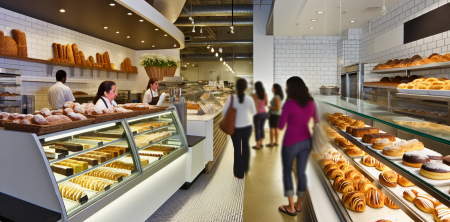
The bakery industry is witnessing a tumultuous landscape shaped by profound demographic shifts and economic divides. As bakery sales trends continue to evolve, they highlight a stark reality of a K-shaped recovery in the United States, where economic prosperity is not enjoyed equally across all segments of society. In this article, we will dive deep into current bakery sales trends, exploring how these patterns reveal the complexities of consumer behavior in an economically divided nation.
The Impact of Economic Conditions on Bakery Sales
In recent years, the U.S. economy has primarily been propelled by higher-income consumers. This affluent demographic remains financially secure, often continuing their premium purchasing habits even amid broader economic uncertainties. On the other hand, lower-income groups are feeling the pinch; they are cutting back on discretionary spending, leading to uneven demand across various segments of the bakery market.
According to recent studies, customers with higher disposable incomes are still indulging in bakery goods, which leads to an increase in luxury and gourmet product sales. Conversely, families and individuals with limited financial means are more cautious, opting for budget-friendly choices or forgoing bakery purchases altogether. This creates a chasm in sales performance across different bakery segments, such as bread, cakes, and pastries.
The K-Shaped Recovery: A Tale of Two Economies
The term 'K-shaped recovery' describes the divergence of economic recovery trajectories where affluent individuals and families see rapid recovery, while lower-income households experience stagnation or even regression. This dichotomy is crucial in understanding bakery sales trends, as it showcases how different socio-economic classes are responding to economic pressures.
For instance, the premium bakery segment is thriving, driven by consumers willing to pay more for high-quality ingredients and artisanal craftsmanship. According to industry reports, sales in the premium cake and pastry sectors have surged, garnering significant profit margins for brands that cater to this demographic.
On the flip side, traditional bread sales have faced challenges, with many lower-income consumers opting for more affordable staples or alternative sources of carbohydrates, such as rice and pasta. This shift is rooted in persistent inflation pressures, which have left many families struggling to make ends meet.
Demographic Shifts: Changing Consumer Preferences
Demographic changes are also influencing bakery sales trends. The millennial and Generation Z populations are becoming increasingly significant consumer groups. These younger generations prioritize health and sustainability, driving demand for organic, gluten-free, and plant-based products. As they enter the workforce and achieve financial independence, their spending habits are reshaping the bakery market.
- Health Consciousness: With an increasing focus on health, younger consumers favor baked goods that are free from artificial ingredients and preservatives.
- Sustainability: Ethical sourcing and environmentally friendly production methods are becoming critical factors for millennial shoppers.
- Experiential Purchases: Younger consumers are more inclined to spend on unique experiences, such as gourmet baking classes and artisanal bakery tours, rather than traditional baked goods.
As a result, bakeries that adapt to these preferences are more likely to thrive, while those that remain static in their offerings may struggle to capture the attention of this lucrative market segment.
Impact of Inflation on Bakery Purchases
Inflation has emerged as a significant factor influencing bakery sales trends, with prices of ingredients soaring in recent months. The rising costs of flour, sugar, and other essential components have forced many bakeries to adjust their pricing strategies. While higher-income consumers may absorb these increases without much hesitation, lower-income shoppers are more price-sensitive and may revert to less expensive options.
This inflationary pressure is not just affecting bakery prices; it is also changing consumer behavior. Many families are opting for bulk purchases or larger packs to maximize their spending efficiency, leading to an uptick in sales for wholesale and cost-effective bakery products.
Strategies for Bakeries Amid Economic Challenges
In light of the economic challenges posed by the K-shaped recovery, bakeries must adapt their strategies to navigate these uneven sales patterns effectively. Here are several approaches that could help bakeries thrive:
- Diversify Product Offerings: Expanding the range of products to include affordable options alongside premium goods can attract a broader customer base.
- Engage with Local Communities: Collaborating with local farmers and suppliers can create a unique selling proposition while supporting the local economy.
- Leverage Online Sales: Establishing a robust online presence can help bakeries tap into new markets and reach customers who prefer the convenience of online shopping.
- Implement Loyalty Programs: Rewarding repeat customers can increase brand loyalty and encourage consistent purchases.
By employing these strategies, bakeries can better position themselves to adapt to the shifting landscape of consumer preferences and economic realities.
The Role of Social Media in Bakery Sales Trends
Social media platforms are playing an increasingly vital role in shaping bakery sales trends. With the advent of Instagram and TikTok, visually appealing baked goods can go viral, generating buzz and driving sales for businesses. Bakeries that effectively utilize these platforms can create a strong community around their brand and reach potential customers who may not have been aware of their presence.
Furthermore, user-generated content, such as food reviews and recipe shares, can enhance brand visibility and credibility. Engaging with customers online and encouraging feedback can foster a sense of community, driving both online and in-store traffic.
The Future of Bakery Sales Trends
Looking ahead, bakery sales trends are likely to continue evolving in response to ongoing economic conditions and changing demographics. The persistent inequality highlighted by the K-shaped recovery underscores the need for bakeries to remain flexible in their offerings and marketing strategies.
As higher-income consumers continue to support premium bakery products, there remains a pressing need for bakeries to cater to the needs of all demographics, particularly as inflation persists. Balancing product diversity while maintaining quality will be key to navigating this complex market.
In conclusion, the bakery industry stands at a crossroads where understanding consumer behavior, economic trends, and demographic shifts is crucial. Bakeries that can adapt and thrive amid these changes will not only survive but also set the stage for future growth in an ever-evolving marketplace.

