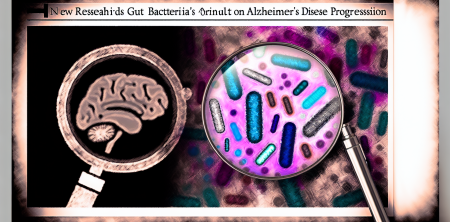
The human microbiome has long been a topic of fascination in the scientific community, and recent findings have taken this interest to a new level, particularly regarding its role in cognitive health. A groundbreaking study published in Nature on May 5, 2026, by researchers at Stanford University and the National Institutes of Health (NIH), has uncovered an unexpected link between specific strains of gut bacteria and the progression of Alzheimer’s disease. This discovery could revolutionize our understanding of the disease and open new avenues for prevention and treatment.
The Study: An Overview
Conducted across three continents with the participation of over 12,000 individuals, this comprehensive study aims to unravel the complexities of how gut bacteria influence Alzheimer's disease. The researchers focused on identifying specific bacterial species that may contribute to cognitive decline in patients already diagnosed with the condition. What they found was remarkable: certain bacteria could accelerate cognitive decline by as much as 40%. This staggering statistic raises crucial questions about the interplay between our gut microbiome and brain health.
Understanding the Gut-Brain Axis
The concept of the gut-brain axis is pivotal in understanding the findings of this research. The gut-brain axis is a complex communication network linking the gastrointestinal system with the brain, allowing for bi-directional signaling between the two. This pathway suggests that gut health can significantly impact neurological processes, including mood, cognition, and even the progression of neurodegenerative diseases.
The researchers identified four specific bacterial species that appear to trigger neuroinflammation, a key factor in the development and progression of Alzheimer's disease. This neuroinflammation can lead to the degeneration of neurons and cognitive decline, ultimately manifesting in the symptoms associated with Alzheimer's. Understanding which gut bacteria are implicated provides new insights into why some individuals may experience more rapid cognitive decline than others.
Key Findings and Implications
The study's findings highlight the significance of gut bacteria in Alzheimer's disease in several ways:
- Accelerated Cognitive Decline: The identified strains of gut bacteria are linked to a 40% increase in the rate of cognitive decline among Alzheimer’s patients.
- Neuroinflammation Trigger: Certain bacteria initiate inflammatory processes in the brain, contributing to neurodegeneration.
- Predictive Tool Potential: Simple microbiome testing could serve as a predictive tool for assessing the risk of developing Alzheimer’s disease.
- Dietary and Probiotic Interventions: The findings prompt urgent discussions around dietary modifications and potential probiotic treatments to mitigate risks associated with harmful gut bacteria.
Exploring the Impacts of Gut Health on Alzheimer’s
These revelations have ignited a flurry of interest across social media platforms and health communities, emphasizing gut health as a critical factor in dementia prevention. The traditional view of Alzheimer's as purely a genetic or age-related disease is being challenged by this new research, which positions the gut microbiome as a crucial player in cognitive health.
The Role of Diet in Gut Bacteria
Given the pivotal role of gut bacteria in the progression of Alzheimer’s disease, dietary choices are more crucial than ever. Research suggests that certain dietary patterns can promote the growth of beneficial bacteria while suppressing harmful strains. Here are some dietary strategies that may support gut health:
- High-Fiber Foods: Incorporating fruits, vegetables, legumes, and whole grains can nourish beneficial gut bacteria.
- Fermented Foods: Foods rich in probiotics, such as yogurt, kefir, sauerkraut, and kimchi, can help restore a healthy microbiome balance.
- Avoiding Processed Foods: Limiting sugar and processed foods can reduce inflammation and promote a healthier gut environment.
- Omega-3 Fatty Acids: Foods high in omega-3s, like fatty fish, flaxseeds, and walnuts, may have anti-inflammatory effects beneficial for brain health.
Probiotic Interventions: A New Frontier?
In light of these findings, there is growing interest in the potential for probiotic interventions to help manage or even prevent Alzheimer’s disease. Probiotics are live microorganisms that confer health benefits when consumed in adequate amounts. The researchers suggest that promoting the growth of specific beneficial bacteria could mitigate the neuroinflammation linked to cognitive decline.
While probiotic treatments are currently being explored, more research is required to identify which strains are most effective for Alzheimer’s patients. Moreover, clinical trials will be necessary to evaluate the safety and efficacy of such interventions over the long term.
The Future of Alzheimer's Disease Research
This study marks a significant turning point in Alzheimer's research, laying the groundwork for further investigations into the gut-brain connection. As the scientific community delves deeper into the role of gut bacteria in Alzheimer's disease, we can expect a surge in research focused on microbiome modulation as a therapeutic strategy.
As we move forward, several key areas warrant further exploration:
- Longitudinal Studies: Research that tracks participants over time could offer more insights into how changes in gut microbiota relate to cognitive decline.
- Personalized Medicine: Understanding individuals' microbiomes could lead to tailored dietary and probiotic recommendations that cater to specific needs.
- Broader Implications: The findings might influence research on other neurodegenerative diseases, potentially revealing more intricate connections between gut health and brain function.
Public Engagement and Awareness
The public’s response to the study has been overwhelmingly positive, with discussions surrounding gut health and Alzheimer’s disease proliferating across various platforms. Caregivers, health-conscious individuals, and aging populations are particularly engaged, eager to find ways to mitigate their risk of cognitive decline.
Awareness campaigns and educational initiatives focusing on the importance of gut health could play an essential role in reaching those most at risk. By disseminating knowledge about the gut-brain axis and how it relates to Alzheimer’s disease, we can empower individuals to take proactive steps toward brain health.
Conclusion: A New Era in Alzheimer’s Research
This groundbreaking study sheds light on the intricate relationship between gut bacteria and Alzheimer’s disease progression. As researchers continue to investigate the mechanisms behind these findings, we may soon see a paradigm shift in how we approach dementia prevention and treatment.
The implications of this research extend beyond the realm of Alzheimer's disease, potentially influencing a wide range of neurodegenerative conditions. With the promise of microbiome testing and probiotic interventions, the future looks hopeful for developing strategies to combat cognitive decline.
As we stand on the brink of a new era in Alzheimer’s research, the importance of gut bacteria in the context of brain health cannot be overstated. With ongoing investigations and greater public awareness, we may yet unlock the secrets to a healthier brain and a brighter future for millions around the globe.

