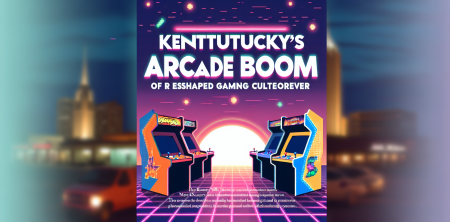
The 1980s marked a pivotal moment in the world of gaming, especially in places like Kentucky, where the arcade scene flourished. As nostalgia for this vibrant era resurfaces today through platforms like TikTok and Instagram, the stories behind Kentucky arcade history are both captivating and complex. This article delves into the arcade boom of the 1980s in Kentucky, exploring its cultural significance, the societal fears it generated, and its lasting impact on gaming.
The Rise of Arcades in Kentucky
Kentucky's arcade culture took off in the early 1980s, coinciding with the rise of video game technology. The introduction of arcade machines like Pac-Man, Donkey Kong, and Space Invaders captivated the youth and provided a social hub where gamers could gather. These arcades became vital community spaces, especially for adolescents seeking entertainment outside their homes.
A New Era of Entertainment
As video game technology advanced, so did the variety of games available. The emergence of colorful graphics and engaging gameplay mechanics attracted new audiences, making arcades a popular destination. By the mid-1980s, cities like Louisville saw a significant increase in the number of arcades, with venues popping up in shopping centers, standalone buildings, and even movie theaters.
The 1982 Louisville Panel: Debunking Myths
Despite the growing popularity of arcades, societal fears began to surface. In 1982, a panel led by psychologist Dr. David Brooks in Louisville aimed to address these concerns. The panel focused on debunking the widespread belief that video games contributed to juvenile crime and truancy. Dr. Brooks and his colleagues provided empirical evidence that suggested these fears were unfounded.
Media Influence and Public Perception
Despite the findings from the panel, the media continued to sensationalize arcade culture, associating it with moral decay and the corruption of youth. This scrutiny was particularly pronounced during the Cold War era, a time when fears about the influence of technology on society were rampant. Parents worried that their children spent too much time in arcades, leading to a moral panic that gripped the nation.
Regulatory Battles
As public sentiment turned against arcades, lawmakers and community leaders began to push for regulations that would limit their operation. This led to a climate of tension between arcade owners and regulators. Many business owners argued that arcades provided a safe environment for children and teenagers, countering the negative stereotypes that had emerged. They also highlighted the social benefits of arcades, including opportunities for socialization and teamwork.
Industry Response and Resilience
Despite the challenges, the arcade industry in Kentucky fought back against the negative stereotypes. Owners and industry spokesmen banded together to defend arcade gaming, emphasizing the skill, strategy, and camaraderie that video games fostered. They organized events, competitions, and community outreach programs to demonstrate the positive aspects of arcade culture.
The Power of Nostalgia
Fast forward to today, the resurgence of interest in retro gaming has brought Kentucky arcade history back into the spotlight. With the viral popularity of retro games, many former arcade enthusiasts are sharing their memories, while younger generations are discovering these cultural landmarks for the first time. The nostalgia surrounding the 1980s arcade scene is palpable, as social media acts as a catalyst for sharing experiences and fostering community.
Modern Parallels: The Esports Boom
Interestingly, the success of modern esports provides a fascinating counterpoint to the fears that surrounded arcade gaming in the 1980s. In contrast to the perception of arcades as harmful environments for youth, esports is often celebrated for its competitive nature and community-building aspects. As gaming becomes more mainstream, the conversation surrounding its implications on youth culture has evolved significantly.
FOMO and the Arcade Comeback
The growing trend of retro gaming has instilled a sense of FOMO (Fear of Missing Out) among young gamers who want to experience the arcade culture their parents once enjoyed. This has led to a renewed interest in visiting physical arcade locations, attending gaming conventions, and even collecting vintage gaming memorabilia.
Conclusion: A Look Back at Kentucky's Arcade Legacy
As we reflect on the Kentucky arcade history of the 1980s, it's essential to recognize the cultural significance of this era. The arcade boom not only provided entertainment but also shaped social interactions and youth culture during a transformative time. Although challenges and misconceptions surrounded arcades, they ultimately paved the way for the vibrant gaming landscape we see today.
Through the lens of nostalgia and modern gaming trends, it is clear that Kentucky's arcade history is far more than just a chapter in the past; it is a testament to the enduring impact of gaming on society. As we celebrate the legacy of the 1980s arcades, we can honor the resilience of a community that embraced innovation, camaraderie, and the joy of play.
The story of Kentucky’s arcade boom is not just about games and machines; it is about the friendships formed, the barriers broken, and the cultural dialogue sparked by this unique experience. The lessons learned from this era continue to resonate today, reminding us of the power of play and the importance of community in an ever-evolving digital landscape.

