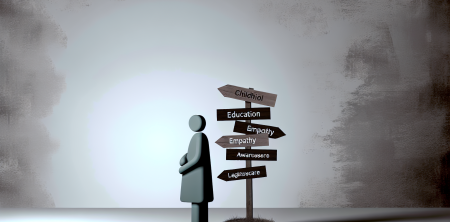
Understanding Child Maltreatment
Child maltreatment is a pervasive issue that affects millions of children globally. According to the World Health Organization, six in ten children under five—approximately 400 million—experience physical punishment or psychological violence from their parents or caregivers. This staggering statistic highlights a troubling reality where many children endure harm that can lead to significant, lifelong consequences.
Moreover, the statistics regarding sexual abuse are equally concerning: one in five women and one in seven men disclose experiences of childhood sexual abuse. These traumatic experiences can result in severe physical and mental health impairments, trapping victims in a cycle of abuse where they are more likely to become abusers themselves as adults. This perpetuation of violence not only harms individuals but also impedes societal and economic progress.
Recognizing the Hidden Nature of Child Maltreatment
Despite its prevalence, child maltreatment often remains hidden from view. Many victims do not receive the necessary support, making it critical to raise awareness about this issue. The silence surrounding child abuse can lead to a misunderstanding of its impact, resulting in inadequate responses from society.
Parents and caregivers play a pivotal role in shaping a child's environment. However, without proper education and resources, they may resort to harmful disciplinary methods. These methods can have profound implications for a child’s development, leading to emotional and behavioral issues that last into adulthood.
The Psychological and Physical Impact of Child Maltreatment
The repercussions of child maltreatment are far-reaching and profound. Physical abuse can result in immediate injuries, while psychological maltreatment can lead to lasting mental health challenges, including anxiety, depression, and post-traumatic stress disorder (PTSD). These psychological scars can hinder children's development, affecting their educational performance and social interactions.
In addition, children who experience maltreatment are more likely to engage in risky behaviors as adolescents and adults, such as substance abuse, criminal activities, and further abuse. The cycle of violence thus perpetuates itself, creating a scenario where the impacts of child maltreatment echo through generations.
The Economic and Societal Burden of Child Abuse
Child maltreatment is not solely a personal tragedy; it is a societal issue that costs economies billions each year. The hidden costs include healthcare expenses for treating injuries and psychological disorders, law enforcement resources for handling related crimes, and lost productivity due to the long-term effects of maltreatment on education and employment.
By failing to address child abuse prevention adequately, society pays a steep price, both financially and socially. Victims of abuse often struggle to contribute positively to their communities, leading to a cycle of poverty and violence that can span generations.
Breaking the Cycle: The Importance of Child Abuse Prevention
To mitigate the effects of child maltreatment, effective child abuse prevention strategies must be implemented. These strategies should focus on educating parents, providing resources, and implementing supportive policies. By addressing the root causes of maltreatment, we can foster healthier family environments and promote positive parenting practices.
Positive Parenting Programs: A Key to Prevention
One of the most effective ways to combat child maltreatment is through positive parenting programs. These programs teach parents and caregivers about non-violent discipline methods, emotional support, and healthy communication strategies. By equipping parents with these tools, we can significantly reduce the incidence of maltreatment.
- Education: Parents learn about child development and the impacts of various disciplinary methods.
- Support Networks: Programs often provide avenues for parents to connect with others who face similar challenges.
- Resource Availability: Access to mental health and community resources can help families in crisis.
Community Involvement and Awareness Campaigns
Community involvement is crucial in the fight against child maltreatment. Awareness campaigns can inform the public about the signs of abuse and the importance of reporting suspected incidents. By fostering a culture of openness and support, communities can serve as a protective net for children.
Schools, local organizations, and healthcare providers can play a pivotal role in these efforts. Training personnel to recognize the signs of maltreatment and respond appropriately can ensure that children receive the help they need promptly.
Legislative Measures for Child Abuse Prevention
Stricter laws concerning child abuse can also contribute to prevention efforts. Governments must prioritize the creation and enforcement of laws that protect children from harm. This includes:
- Mandatory Reporting: Legislation that requires professionals working with children to report suspected abuse.
- Child Protection Services: Ensuring that child protection agencies are adequately funded and staffed to respond to reports of abuse.
- Legal Repercussions: Enforcing harsher penalties for offenders to deter future incidents.
The Role of Healthcare Providers in Prevention
Healthcare providers are on the front lines of identifying and addressing child maltreatment. Regular check-ups, mental health screenings, and parental support can help identify at-risk families and provide them with necessary resources. Training healthcare professionals in recognizing signs of abuse is essential for effective prevention.
Moreover, healthcare systems can play a role in educating families about healthy parenting practices and the importance of emotional support for children. By incorporating child abuse prevention education into routine healthcare visits, practitioners can foster a preventive approach.
Building a Culture of Care and Support
Ultimately, preventing child maltreatment requires a cultural shift toward valuing and supporting children and families. Communities must cultivate an environment where seeking help is encouraged and where every child is considered a shared responsibility.
Parents should not feel isolated in their struggles, and support systems should be readily available. By creating a robust network of community resources, we can ensure that families have access to the help they need, minimizing the risk of maltreatment.
Taking Action: Steps Individuals Can Take
Every individual can play a role in child abuse prevention. Here are some actionable steps you can take:
- Educate Yourself: Learn about the signs of child abuse and how to respond appropriately.
- Advocate: Support local child welfare organizations and advocate for policies that protect children.
- Be a Mentor: Offer guidance and support to parents in your community, especially new or struggling parents.
- Report: If you suspect a child is being abused, do not hesitate to report it to the appropriate authorities.
The Path Forward: A Collective Responsibility
Addressing child maltreatment requires a collective effort from individuals, families, communities, and governments. It is not an issue that can be resolved in isolation; rather, it demands a concerted approach to prevention and awareness.
By fostering environments that prioritize the well-being of children and equipping families with the tools they need, we can break the cycle of abuse and create a healthier future for all. The road ahead may be challenging, but the commitment to child abuse prevention can lead to a significant transformation in our society.
Conclusion
Child maltreatment is a hidden crisis that affects countless children worldwide. The shocking statistics from the World Health Organization remind us of the urgent need to act. Through education, community support, legislative changes, and a commitment to positive parenting, we can make strides toward reducing child abuse and ensuring every child has the opportunity to thrive in a safe and nurturing environment. Together, we can turn the tide on this pressing issue, fostering a society that protects its most vulnerable members.

