Introduction
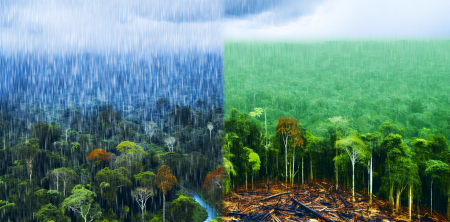
The intricate relationship between forests and rainfall has long been a focus of environmental research. A recent study published in 2026 presents alarming findings that highlight how climate change significantly amplifies the climate change deforestation impact, particularly in tropical and subtropical regions. This groundbreaking research indicates that even moderate deforestation can lead to severe reductions in rainfall, a shift that has profound implications for ecosystems, agriculture, and water security. In this article, we will explore the key findings of the study, the mechanisms behind these changes, and the urgent need for policy adjustments to mitigate these risks.
The Interconnectedness of Forests and Rainfall
Forests play a vital role in the Earth's water cycle. They not only absorb rainfall but also release moisture back into the atmosphere through a process called transpiration. This cycle is crucial for maintaining local and regional climates. In tropical and subtropical areas, where forests are abundant, this interaction is particularly strong. The new research underscores that the threshold for deforestation to begin negatively impacting rainfall is significantly lower than previously understood.
Previous Models vs. New Findings
Traditionally, models suggested that a loss of approximately 50% of forest cover was necessary to observe major declines in rainfall levels. However, the recent study has revealed that with climate change as a factor, this threshold drops dramatically. The relationship is nonlinear; therefore, even slight forest loss can now trigger significant declines in precipitation levels. This revelation is not only counterintuitive but also raises urgent questions about the sustainability of current land-use practices.
Understanding the Mechanisms of Change
To comprehend the climate change deforestation impact, it is essential to understand the mechanisms at play. Climate change leads to alterations in temperature and atmospheric composition, which can amplify the effects of deforestation. Here are some key mechanisms:
- Increased Temperature: Higher temperatures can enhance evaporation rates, leading to drier conditions. This effect is exacerbated when forests are cleared, as there is less vegetation to retain moisture.
- Altered Weather Patterns: Climate change can disrupt established weather patterns, leading to changes in rainfall distribution. This can make ecosystems that rely on consistent rainfall more vulnerable to shifts caused by deforestation.
- Disruption of Local Climate Systems: Forests contribute to local climate regulation. Their removal can disrupt these systems, leading to a decrease in rainfall even before reaching the critical threshold of forest loss.
The Vulnerability of Tropical and Subtropical Regions
The study specifically focuses on tropical and subtropical regions, which are home to some of the world's most biodiverse ecosystems. These areas are intricately linked to rainfall dynamics, making them particularly vulnerable to the combined effects of deforestation and climate change. In regions such as the Amazon, Southeast Asia, and Central Africa, the implications of forest loss can lead to cascading effects that impact not only local environments but also global climate systems.
Implications for Agriculture and Water Security
As forests continue to be cleared for agriculture and urban development, the climate change deforestation impact poses critical risks to food production and water availability. The following sections will examine these implications in detail.
Threats to Agricultural Productivity
Agriculture is heavily dependent on predictable rainfall patterns. The reduction in rainfall caused by deforestation can lead to crop failures, reduced yields, and increased vulnerability to pests and diseases. Farmers in regions already experiencing marginal agricultural conditions may find it increasingly difficult to adapt.
- Crop Failure: Insufficient rainfall can lead to drought conditions, impacting staple crops such as rice, maize, and wheat.
- Increased Use of Irrigation: As rainfall patterns become less reliable, farmers may resort to increased irrigation, which puts additional strain on local water resources.
- Higher Costs: The need for irrigation and inputs to mitigate the effects of reduced rainfall can increase production costs, making it challenging for smallholder farmers.
Water Security Challenges
Water security is intrinsically linked to environmental health. Deforestation reduces the natural systems that regulate water supply, leading to increased competition for water resources among agricultural, industrial, and domestic users.
- Lower Water Tables: Reduced rainfall results in lower water levels in rivers, lakes, and aquifers, affecting both human consumption and biodiversity.
- Contamination Risks: As water sources dwindle, the contamination of remaining water supplies becomes a more pressing issue.
- Conflict Over Resources: Scarcity of water can lead to increased competition and conflict among different user groups, particularly in regions already facing socio-economic challenges.
Policy Implications and the Need for Urgent Action
The findings from this study have significant implications for policymakers, environmentalists, and stakeholders involved in land-use planning. The urgency to rethink current policies surrounding deforestation and climate change is paramount. Here are several key areas where immediate action is needed:
Revamping Deforestation Policies
Governments around the world must take a proactive approach to deforestation prevention. This includes:
- Stricter Regulations: Implementing and enforcing laws that protect forested areas is essential to prevent further loss.
- Promoting Sustainable Practices: Encouraging sustainable agriculture and forestry practices can help balance economic growth with environmental conservation.
- Restoration Initiatives: Investing in reforestation and afforestation projects can help restore ecosystems that have been damaged by previous deforestation.
Incorporating Climate Change into Land-Use Planning
Land-use planning must consider the implications of climate change and deforestation. This involves:
- Integrating Climate Models: Incorporating updated climate models into planning processes to ensure that land-use decisions are informed by the latest scientific findings.
- Encouraging Collaboration: Fostering collaboration between governments, NGOs, and local communities to create comprehensive land-use strategies that prioritize sustainability.
- Creating Awareness: Raising public awareness about the climate change deforestation impact can help engage communities in conservation efforts.
Conclusion
The study highlighting the heightened sensitivity of rainfall to deforestation due to climate change offers a sobering reminder of the interconnectedness of our ecosystems. As the threshold for significant rainfall reduction drops, the urgency for action to address deforestation becomes clearer. Policymakers, farmers, and communities must come together to implement strategies that protect our forests, safeguard our water supply, and ensure food security for future generations. The road ahead may be challenging, but by understanding the climate change deforestation impact, we can make informed decisions that lead to a more sustainable future.

